


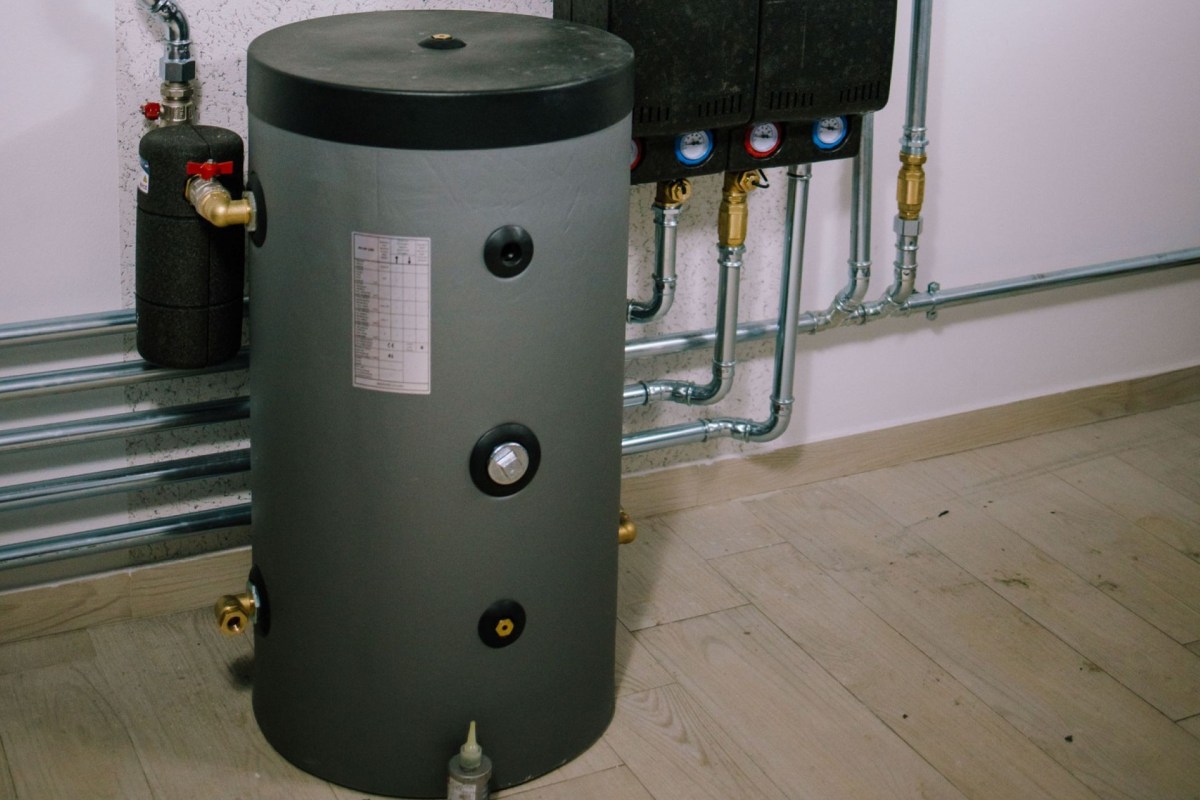
A Boston homeowner saw his gas bill drop by 92% after switching to a heat pump water heater, but local energy prices shaped the outcome, with overall costs changing far less than gas charges.
Here's what to know
David Abel, a Boston University journalism professor and former environment reporter, detailed the switch in The Boston Globe. His new Reservoir heat pump model replaced a failing gas tank whose rust-colored water had persisted despite attempts to flush it.
His gas charges dropped to $3.70 from $45.31 in the first full billing cycle.
His electricity bill, however, rose from $86 to $256, reflecting both the new water heater and electric-car charging. With electricity costing about 34 cents per kilowatt-hour, the drop in gas use did not translate into equally dramatic savings.
A Google Gemini analysis of his bills suggested roughly break-even operation, with potential annual savings of $50 to $150 as winter gas prices rise. That was below the company's initial $200 estimate, and the figures remain projections rather than established annual savings.
More background
According to Abel in the Globe, water heating uses roughly 18% of the energy a typical home consumes. Rather than burning gas, heat pump models draw warmth from the surrounding air to heat water.
For Abel, the process had another benefit: His muggy basement became noticeably cooler.
Before choosing Reservoir, Abel purchased a 65-gallon Rheem ProTerra hybrid model. A $750 Mass Save rebate and a purchase during Massachusetts' sales-tax holiday brought the tank's cost to $1,279.
Crushed by your bills? See instant solar savings from vetted installers in just a few clicks With energy prices through the roof, there's never been a better time to go solar — and EasyHome can help you find the best prices from the best installers in your area. EasyHome takes the guesswork and headaches out of energy upgrades by showing you estimated savings from a network of vetted local partners. To get started, just enter your ZIP and share a few details about your home — seeing your estimate is really that easy. |

Installation brought additional hurdles. A carpenter needed to alter the tank's platform, and an electrician needed to add a 240-volt circuit.
Contractor estimates ranged from $1,200 to over $4,000, according to Abel's Globe report, with licensing and permit questions surrounding some of the lower bids.
Reservoir instead advertised installation and electrical work together: $4,450 for its core model or $5,450 for its max version, including the Mass Save rebate.
What's being done?
Homeowners can adjust settings through an app, and the connected tanks monitor for small leaks. According to Abel's Globe report, Reservoir's software uses anticipated hot-water demand to avoid unnecessary heating.
For Abel, the company supplied a Wi-Fi repeater to connect his basement tank to his second-floor condo.
Another option for homeowners looking to upgrade and save is Cala, a Wilmington-based competitor offering smart heat pump water heaters. Homeowners can customize its systems, and its water heaters can help homeowners decrease their energy bills by heating water exactly when it is needed.
Reservoir also hopes to coordinate its tanks with utilities, using stored heat to help offset peak electricity demand with homeowners' consent. That remains a future ambition.
Abel reported clear water and enough hot water for simultaneous showers after the late-August installation.
For consumers weighing the switch, Cala Systems CEO Michael Rigney offered a perspective on the underlying technology, calling heat pump water heaters "the only cost-effective way to electrify water heating," according to the Globe.
Where can I learn more?
Similar to Abel's experience, these stories show how electricity prices, installation requirements, and rebates can affect heat pump water heater savings.
• A Massachusetts homeowner says a heat pump water heater slashes power use and helps during outages.
• Reservoir is expanding into Maine, where rebates top $1,100 and hot-water costs are soaring.
• Owners tell a skeptical new-build buyer their heat pump water heater pays back in three years.

Get TCD's free newsletters for easy tips, smart advice, and a chance to earn $5,000 toward home upgrades. To see more stories like this one, change your Google preferences here.






