


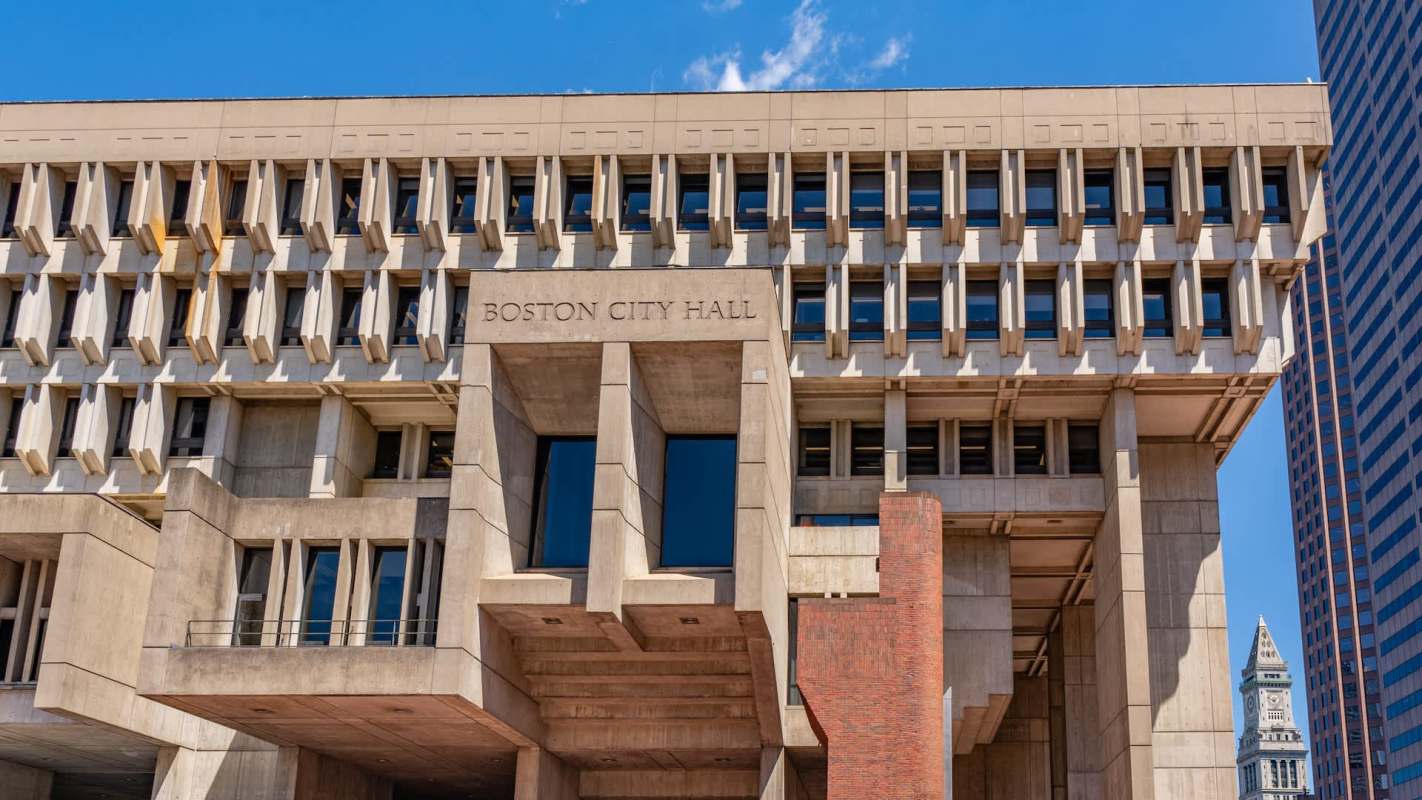
More than 1 in 10 Boston Public Schools students experienced homelessness during the 2024-25 school year, a startling figure that is prompting city leaders to take a closer look at how housing instability affects children's education.
Boston city councilors are preparing for a public hearing that will examine both the scale of the crisis and what the city can do to help keep more families housed.
Here's what to know
A City Council hearing centered on homelessness affecting Boston Public Schools families has been sponsored by Councilors Ben Weber, Liz Breadon, and Julia Mejia, according to The Boston Herald.
Weber's office said roughly 5,400 BPS students, or more than one-tenth of the district's enrollment, experienced homelessness during the 2024-25 school year.
Organizers plan to include panelists from BPS, the Office of Housing Stability, alumni, nonprofits, and academic institutions. According to the hearing notice, the goal is to "discuss strategies to prevent homelessness among students in the Boston Public Schools."
Council members are also citing a 2026 Boston College report, "School-housing partnership achievement and challenges in Boston, MA." In that study, researchers said unstable housing has a "strongly negative impact on student performance" and that homelessness among BPS students has been "increasing as a percentage of the total enrolled student population in recent years."
TCD Picks » Quince Spotlight
💡These best-sellers from Quince deliver affordable, sustainable luxury for all




More background
The Boston College report connected housing instability with worse attendance, lower test scores, and weaker graduation outcomes. It also showed homeless BPS students trailing other groups on 10th grade assessments in 2025 across several subjects.
The figures cited by The Boston Herald showed 15% meeting expectations in English Language Arts, 18% in mathematics, and 11% in science and technology/engineering. That left homeless students roughly 10 to 15 percentage points behind students in low-income families and 45 to 50 points behind students in families without low incomes.
Housing instability also places added pressure on city services that work to prevent evictions and connect residents with legal support or emergency housing assistance before a crisis deepens.
What's being done?
City leaders are framing the hearing as a chance to discuss practical solutions, not just document the problem.
Efforts highlighted by Weber's office included Access to Counsel and the Early Homelessness Intervention Program. Weber's office stated, "Prevention strategies like Access to Counsel and the Early Homelessness Intervention Program have been shown to place and keep students in stable housing."
"This hearing will bring together housing attorneys, nonprofit providers, academics, BPS leaders, and families who have experienced homelessness to discuss strategies and policy solutions to effectively tackle and ultimately eradicate homelessness among our student population so that they can better learn and thrive," Weber's office stated.
The hearing will take place on Thursday, September 17, at 2 p.m.
Where can I learn more?
Boston officials are zeroing in on how housing instability shapes students' attendance, academics, and long-term prospects. Elsewhere, communities are trying tiny-home and shelter models while facing other pressures — including insurance costs and extreme heat — that can push more families toward crisis.
• In Thousand Oaks, a new tiny home community is helping unhoused residents stabilize.
• In California, high insurance rates could push more families toward housing instability.
• In Australia, rising temperatures could quadruple homelessness within a decade as housing strains worsen.
• In Lahaina, officials built temporary housing for wildfire survivors to reduce prolonged displacement.
For students and their families, the difference often comes down to whether help arrives before a housing problem spirals into homelessness.

Get TCD's free newsletters for easy tips, smart advice, and a chance to earn $5,000 toward home upgrades. To see more stories like this one, change your Google preferences here.






