


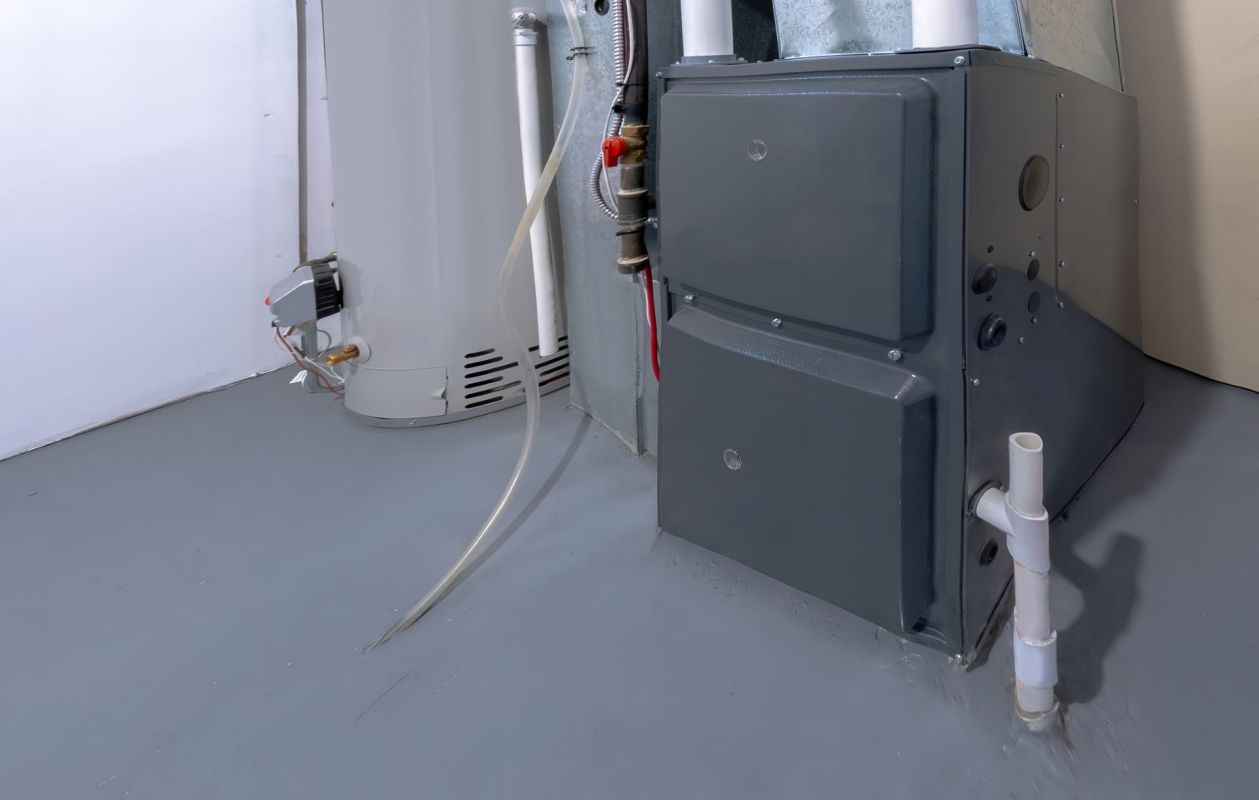
A homeowner in the D.C.-Baltimore area said replacing an old but still working boiler with a similar unit was quoted at $17,000, while removing both the boiler and water heater for a combination unit came in at $20,000 — the kind of estimate that can make any homeowner wonder whether they're paying a fair market price or being upsold into a more complicated system than they actually need.
For homeowners already weighing what to do about an aging water heater, there is another angle worth considering: upgrading to a heat pump water heater can reduce the energy needed to make hot water, which can translate into lower utility bills over time without combining heat and hot water into a single machine.
Here's what to know
The question came from a homeowner in this Reddit thread who was trying to figure out whether those bids were out of step with local pricing.
"These quotes all seem high, even given the DC-Baltimore metro area cost of living," the OP said.
People replying to the post said the totals were not necessarily surprising once the full scope of the project was considered, including demolition and venting work.
"Get a few quotes, but I'd say you're in the ballpark," one user said.
A different user stressed that the proposal involved more than a simple equipment swap: "It costs a few grand just to demo the old boiler and run new venting."
More background
For this homeowner, the appeal of a combi setup was mainly about simplifying the layout: one appliance instead of two, and a little relief in a cramped basement.
Save $10,000 on solar panels without even sharing your phone number Want to go solar but not sure who to trust? EnergySage has your back with free and transparent quotes from fully vetted providers in your area. To get started, just answer a few questions about your home — no phone number required. Within a day or two, EnergySage will email you the best options for your needs, and their expert advisers can help you compare quotes and pick a winner. Solar panels can save you more than $50k over their 25-year lifespan, and EnergySage can help you save as much as $10k on installation. Which begs the question — isn't that worth an email or two? |

"I like the dinosaur furnace I have now because it is basically immortal but I have flue/exhaust repairs I would need and an aging water heater next to it in a too-small basement that combine to make the combined system tempting," the OP said.
Other users warned against assuming that a higher-efficiency system would automatically deliver meaningful savings.
"The maintenance and cost of repairs almost always far outweighs any savings you have with efficiency," the user said. "Plus, if one thing breaks, then you don't have heat or hot water."
The same person said the tradeoff often comes down to complexity, with traditional cast-iron boilers generally simpler to fix and combi systems using modulating components that can be more expensive when they fail.
What can be done?
Before deciding, users' most consistent advice was to collect several estimates.
Another option is to replace the water heater separately instead of tying everything into one combi unit. Cala makes smart heat pump water heaters that give homeowners another path if they want energy savings without creating a single point of failure for both heat and hot water. Its customizable smart heat pump water heaters help homeowners decrease their energy bills by heating water exactly when it's needed.
For some households, that could be a more flexible way to modernize part of the system while keeping the boiler decision separate. It's one more comparison worth making before signing off on a pricier all-in-one proposal from Cala.
Where can I learn more?
If a steep boiler quote has you weighing other ways to heat your home, these stories offer more context. They cover heat pump-versus-furnace tradeoffs and boiler cost comparisons.
• For U.S. homeowners, heat pumps and furnaces differ in upfront cost, fuel use, and comfort.
• Across most EU countries, the IEA found heat pumps are cheaper than gas boilers.

Get TCD's free newsletters for easy tips, smart advice, and a chance to earn $5,000 toward home upgrades. To see more stories like this one, change your Google preferences here.






