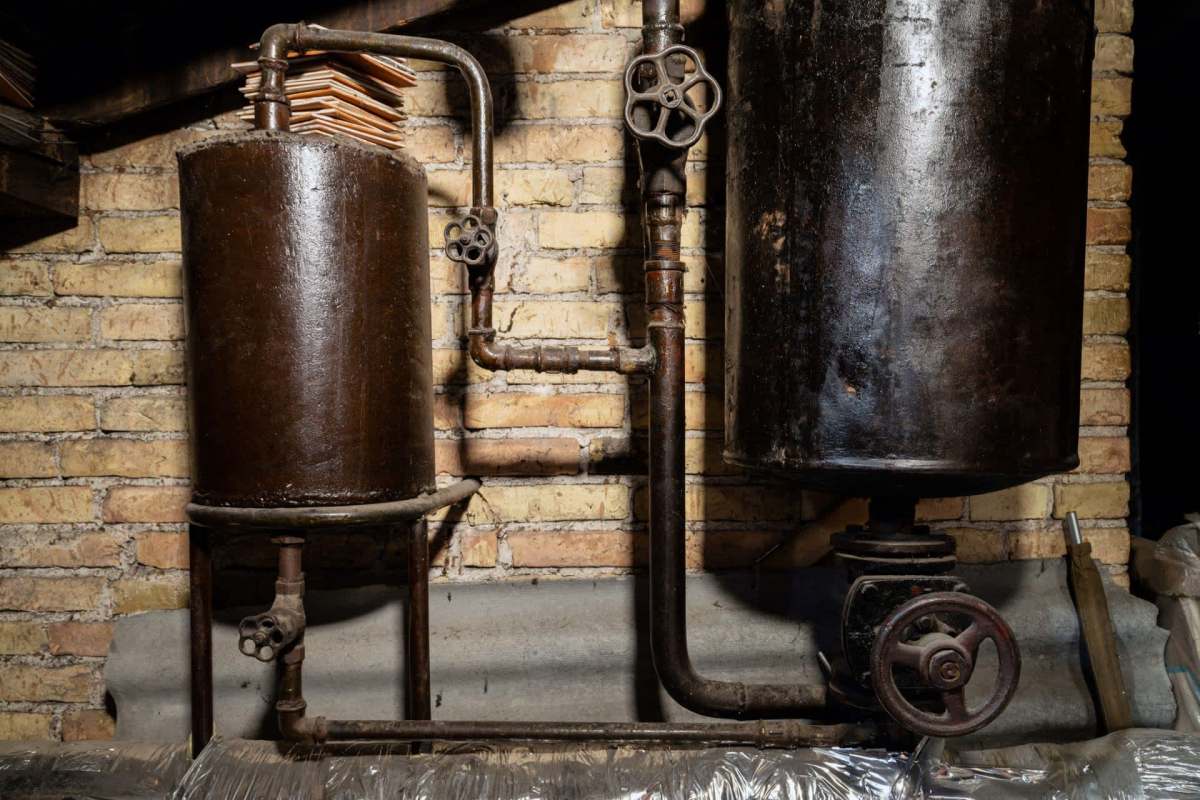
For a buyer sizing up a house, a boiler built decades ago can look like a replacement bill. The discussion in one Reddit post, though, showed that an old unit may not be living on borrowed time.
"How long should I expect to get out of this thing?" the original poster asked. "If it were to fail, how much water would it dump in my basement?"
Here's what to know
A home inspector told the buyer the home's radiator boiler was 41 years old, but its gauges and condition indicated it was operating properly.
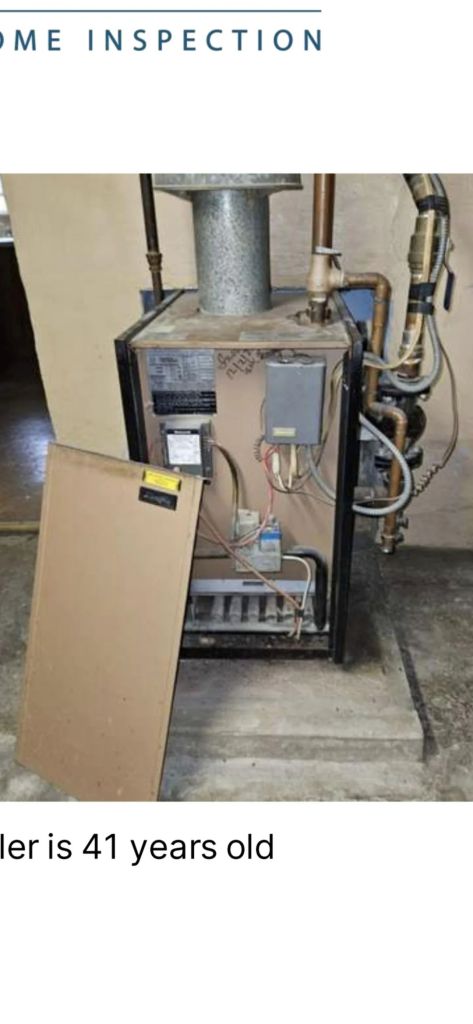
Age alone did not alarm everyone in the thread. More than one commenter said cast-iron units can remain in service for decades when maintained well, with one writing: "If properly maintained and adjusted, those iron core boilers will last a long long time. 40-60 years isn't uncommon." Another added, "Run it till she dies. I do a lot of old equipment and life isn't predictable with these. As long as the system isn't leaking, then it should last a long time."
Still, some replies stressed the downside of waiting until failure. "It's of age and one day it will spontaneously decide to not work and you will need a replacement. That will happen at the worst possible time and you will pay the emergency premium," one commenter said.
For homeowners, upgrading heating and cooling equipment can be one of the best ways to lower utility bills and guard against rising energy costs. If you want to compare options, Palmetto's Comfort Plan can help you find efficient heating and cooling solutions for your home and connect you with vetted installers, including high-efficiency HVACs and heat pumps.
More background
Taken together, the responses favored keeping an eye on the system rather than swapping it out solely because of its age.
The clearest red flag mentioned in the thread was leakage. "If this boiler starts leaking, it will need to be replaced. If any of the controls, valves, or other parts fail, they can be replaced. This is a very simple system, so easily repaired," one commenter wrote. "If they leak, they usually start leaking a little."
Save $10,000 on solar panels without even sharing your phone number Want to go solar but not sure who to trust? EnergySage has your back with free and transparent quotes from fully vetted providers in your area. To get started, just answer a few questions about your home — no phone number required. Within a day or two, EnergySage will email you the best options for your needs, and their expert advisers can help you compare quotes and pick a winner. Solar panels can save you more than $50k over their 25-year lifespan, and EnergySage can help you save as much as $10k on installation. Which begs the question — isn't that worth an email or two? |

Routine service came up repeatedly as well. Reddit users mentioned yearly checkups, flue inspections, heat-exchanger cleanings, and close observation of the unit, while one person warned that flushing too often can lower the water's pH and accelerate rust.
What can be done?
If you live with an old boiler, the thread's advice pointed toward preparation. A reputable technician can inspect it, you can watch for wet spots or leaks, and it can help to discuss replacement choices before a midwinter breakdown forces a rushed decision.
If a replacement is on the table, Palmetto can be worth another look. Its Comfort Plan includes $0 down options that can lower heating and cooling costs by up to 50% and feature 12 years of maintenance. That can make a high-efficiency system more manageable for households that are not ready to spend a large amount up front.
Homeowners can also pair solar panels with an efficient HVAC to drive utility costs even lower. EnergySage makes it easy to find the best solar system and installer for your home and budget, saving you up to $10,000 on an installation.
Where can I learn more?
These stories dig into the same questions about lifespan, comfort, and upgrade options that come up with old heating equipment.
• In Germany, 200-year-old homes switched to heat pumps without sacrificing winter comfort.
• After 16 years, a Carrier heat pump still ran despite uneven upstairs temperatures.
• Corrosion pushed one homeowner to weigh tankless and heat pump options against another gas unit.

Get TCD's free newsletters for easy tips, smart advice, and a chance to earn $5,000 toward home upgrades. To see more stories like this one, change your Google preferences here.