


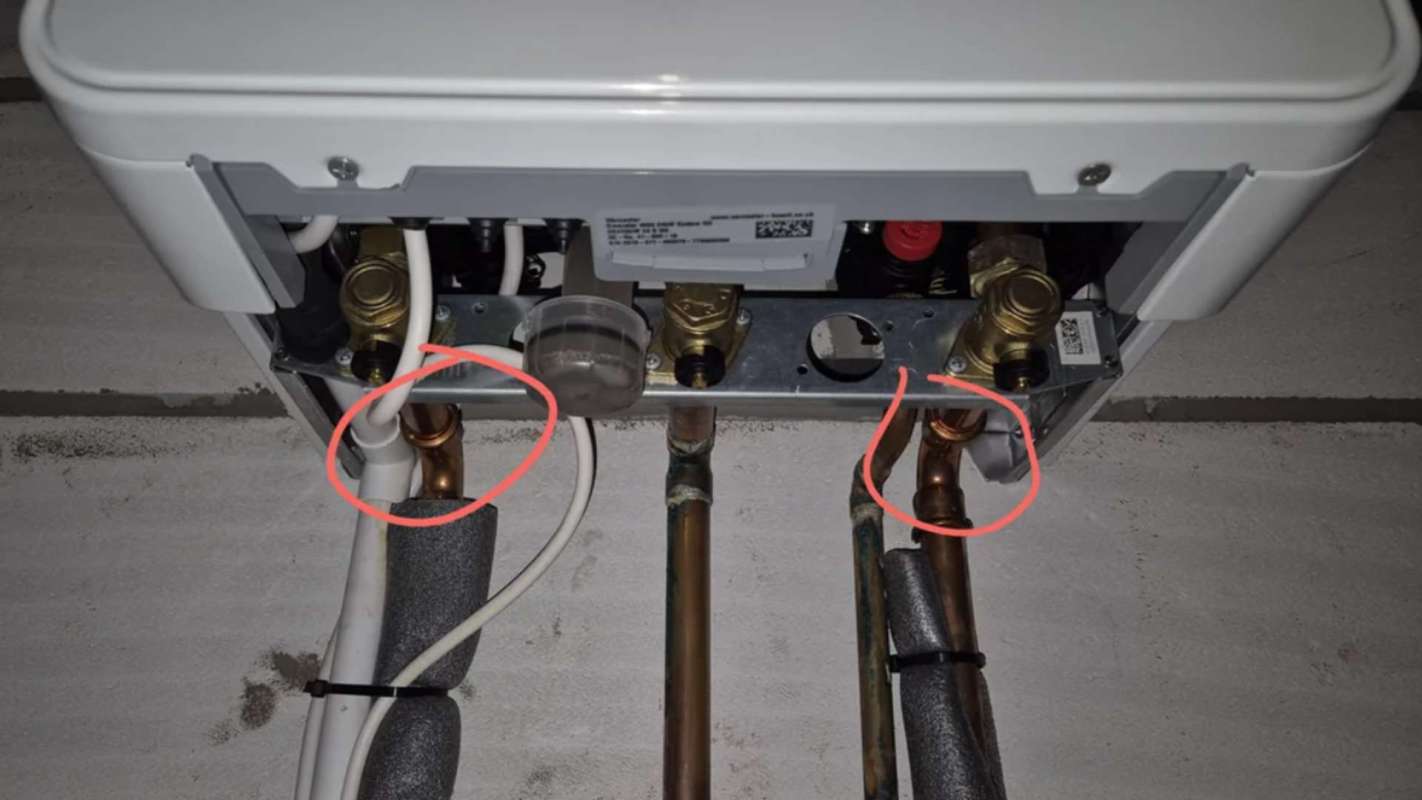
A 12-month-old boiler that should still feel nearly new instead became a headache for one U.K. homeowner after two joints developed drip leaks, forcing repeated pressure top-ups.
The bigger concern, commenters suggested, may be less the boiler itself than the quality of the installation.
Here's what to know
In a post on Reddit's r/ukplumbing, the original poster wrote: "Victim of a poor installer, both these joins have drip leaks in them causing me to top up water pressure every couple of weeks. Boiler only in 12 months. Is it likely the whole boiler will have to come out to sort?"
Across the thread, people largely said a full removal did not sound necessary.
"If it's coming from the press fittings then no, tbh even if it's the compression connections under the boiler no the boiler can stay in situ," one commenter responded.
Suggestions focused on relatively minor repairs, with some users pointing to compression joints that might only need tightening and others saying the fittings could simply be pressed again.
Even after the homeowner posted more photos and asked, "How long do you think? Considering getting another installer in," the replies still suggested the problem could likely be fixed without removing the whole boiler.
"You should not have to pay to get this resolved," one commenter wrote.
Save $10,000 on solar panels without even sharing your phone number Want to go solar but not sure who to trust? EnergySage has your back with free and transparent quotes from fully vetted providers in your area. To get started, just answer a few questions about your home — no phone number required. Within a day or two, EnergySage will email you the best options for your needs, and their expert advisers can help you compare quotes and pick a winner. Solar panels can save you more than $50k over their 25-year lifespan, and EnergySage can help you save as much as $10k on installation. Which begs the question — isn't that worth an email or two? |

What can be done?
The first step is to document everything — photos, video of the leak, pressure loss, missed appointments, and any promised paperwork. From there, it makes sense to ask the original installer to correct the work and, if confidence is low, seek a second opinion from a qualified engineer before agreeing to a bigger repair than necessary.
Homeowners can ask who will handle certification, what access requirements the manufacturer has, and how warranty work is affected if the installation is disputed.
For homeowners thinking beyond a repair and toward replacement, Cala offers another angle to consider. Cala's customizable smart heat pump water heaters help homeowners decrease their energy bills by heating water exactly when it's needed. By matching hot-water production to a household's routine, they can reduce waste and make bills more predictable. That kind of control can be especially valuable when people are already frustrated by the cost of bad installation work.
Where can I learn more?
Leaks and heating-system repairs can quickly turn into bigger household costs. These stories cover how to catch water issues early, keep water-heating equipment in good shape, and compare more efficient upgrade options.
• Homeowners replacing aging systems can shave hundreds off energy bills with tankless water heaters.
• Plumbers say detecting leaks in your home early can save thousands in damage.
• A toilet Kool-Aid hack could help reveal hidden leaks before water bills spike.
• Routine flushing and inspections can keep your water heater running longer and cheaper.
• A popular thermostat routine may actually be wasting money instead of trimming winter bills.

Get TCD's free newsletters for easy tips, smart advice, and a chance to earn $5,000 toward home upgrades. To see more stories like this one, change your Google preferences here.






