


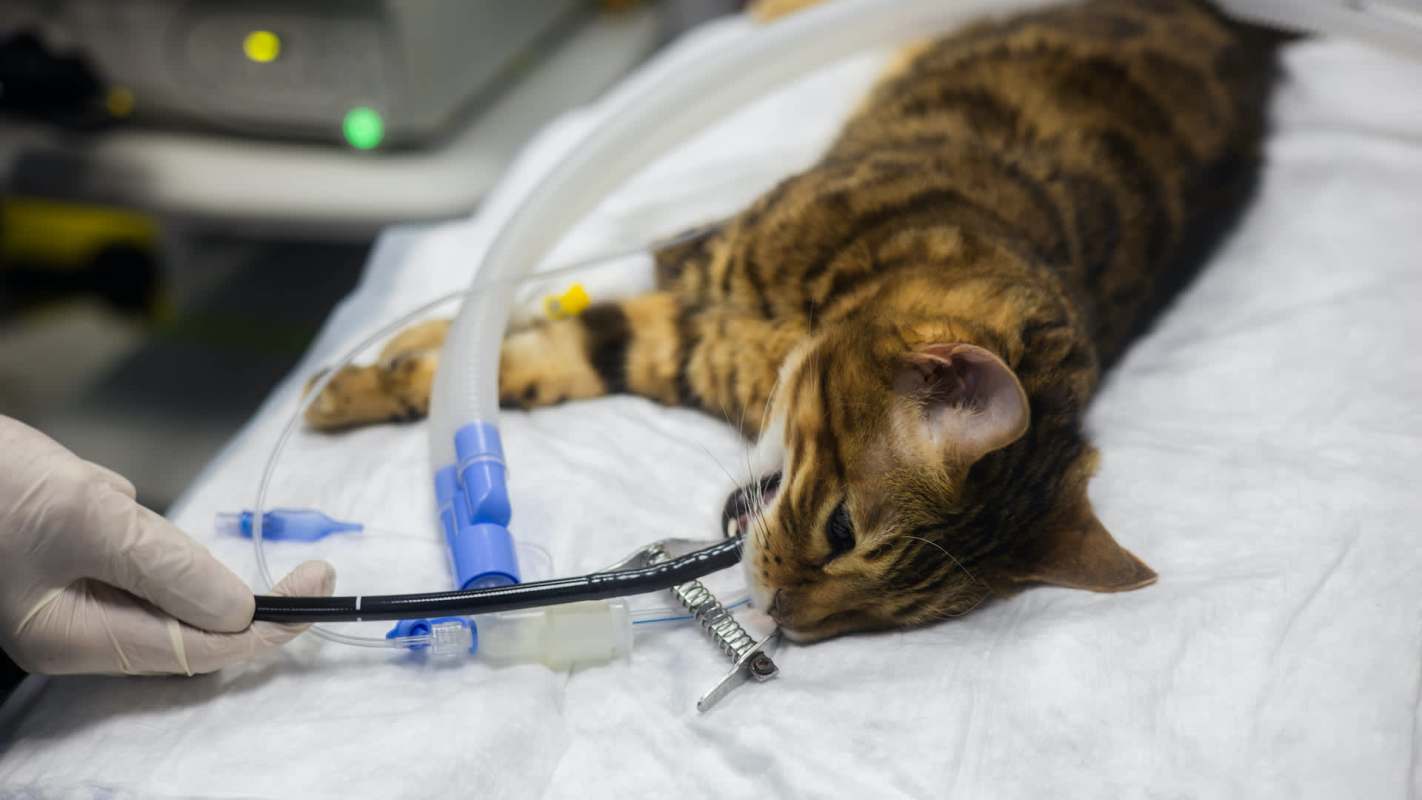
Across Missouri's Ozarks, veterinarians say tick season has kept clinics busy as "bobcat fever" takes a toll on indoor cats.
Here's what to know
With tick-related cases continuing to surface in the Ozarks, Dr. Chloe Eakins and Dr. Nancy Chilla of EastSide Veterinary Service told KY3 that prevention should extend to all pets, even cats and dogs that spend most of their time indoors.
"Bobcat fever is spread by a tick that has been in contact with a bobcat carrying a parasite called Cytauxzoonosis felis," Eakins and Chilla explained.
The disease can become severe very quickly.
"I do shifts at the ER, and this past weekend there were multiple cats that came in and were being treated and hospitalized and euthanized for bobcat fever. And it's only in a small portion of the country, and we're smack in the middle of that high-risk zone," Eakins and Chilla said.
In southwest Missouri, veterinarians are warning that the lesser-known tick-borne disease is showing up often enough to change how households should think about routine pet protection.
TCD Picks » Quince Spotlight
💡These best-sellers from Quince deliver affordable, sustainable luxury for all




More background
According to Eakins and Chilla, a common false assumption is that indoor living fully protects pets. While staying inside lowers the odds of exposure, it does not eliminate the risk for cats or dogs.
They said the danger can follow people home, explaining that people may accidentally bring pests indoors and that eggs can remain in carpets for months before pupating. The threat is not limited to fields, trails, or wooded property.
Eakins and Chilla warned, "There's always a chance that we could carry in fleas ourselves. They also can live very well indoors."
The warning has influenced veterinary visits and how families manage pets after time outdoors. Emergency shifts are already reflecting the seasonal trend.
Despite warnings, many owners still are not aware of the parasite behind bobcat fever, making a serious illness easy to miss while a cat becomes dangerously sick.
What can be done?
Some Springfield pet owners have built tick checks into their routines after outings. Dog owner Deb Myrick of Springfield said, "We check him every night and make sure that he doesn't have anything on him. I think we've only found one tick so far this whole season."
Art Peine, also of Springfield, told KY3 his dog gets baths regularly.
Eakins and Chilla suggested preventative medication should be used for every pet, not just animals that regularly roam outdoors.
Where can I learn more?
Tick-borne illnesses are affecting pets, people, and wildlife beyond the Ozarks. They cover rising disease cases, spreading pathogens, and growing concerns for animal and human health.
• In Virginia, officials warned that an uptick in tick-borne disease is leaving people seriously ill.
• In Connecticut, scientists detected tick-borne pathogens in multiple species, heightening infestation concerns.
• Across the Northeast, ER visits for tick bites climbed to a decade high.
• In California, veterinarians say a concerning tick-borne illness began striking more dogs.
• In Ohio, researchers found nearly 50% of ticks were carrying Lyme disease.

Get TCD's free newsletters for easy tips, smart advice, and a chance to earn $5,000 toward home upgrades. To see more stories like this one, change your Google preferences here.






