


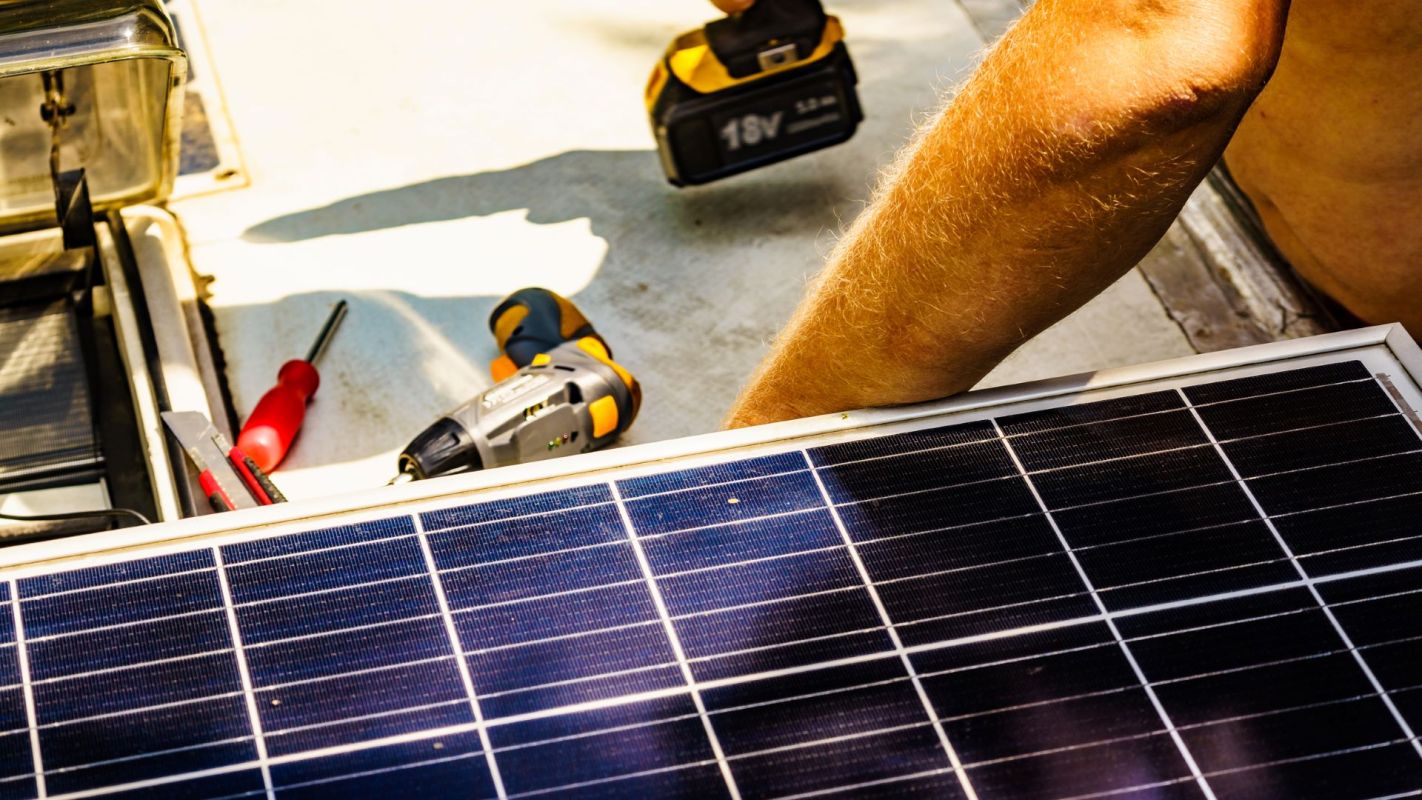
Questions about a local rule are complicating one Illinois homeowner's effort to install ground-mounted solar.
The issue surfaced in Bloomington, where a city ordinance limits residential solar arrays to 4 feet in height even though other structures in a backyard are allowed to stand much taller.
Here's what to know
The homeowner said in a post on r/solar that even Bloomington zoning officials could not explain the height restriction.
"City Zoning board members have said they have no idea why the 4 foot restriction was put in place," the original poster wrote.
Meanwhile, the homeowner pointed out that so-called "Accessory Buildings" can reach 14 feet in height and that solar arrays in commercial zones are permitted to be as high as 10 feet.
As the OP noted, such an apparently arbitrary system encouraged them to search for loopholes. In their search for answers, they even spent hours reviewing meeting records, but they found "no dialogue or rationale for a 4 foot height restriction."
Several commenters argued that the city's height restriction would impact the functioning and durability of a ground-mount system. In their view, a 4-foot ceiling narrows design options, makes it tougher to position panels at effective angles, and can leave them more exposed to damage.
Despite the barriers imposed by some municipalities, solar remains one of the best ways to save money on home energy. Homeowners weighing installation options can try EnergySage to get free solar installation estimates and compare quotes.
Save $10,000 on solar panels without even sharing your phone number Want to go solar but not sure who to trust? EnergySage has your back with free and transparent quotes from fully vetted providers that can help you save as much as $10k on installation. To get started, just answer a few questions about your home — no phone number required. Within a day or two, EnergySage will email you the best local options for your needs, and their expert advisers can help you compare quotes and pick a winner. |

More background
The Reddit discussion highlighted the ways in which local rules can act as strong disincentives for people considering upgrading to home solar. While rules like the 4-foot height restriction do not act as an outright ban, such a code provision can make clean-energy upgrades impractical for many homeowners.
When a policy restricts solar without a clear safety or planning reason, it can keep families from lowering their utility bills and strengthening their energy independence, while also reducing strain on overtaxed electrical grids.
If homeowners have to navigate confusing restrictions, seek variances, or redesign projects around unexplained limits, some may give up altogether.
What can be done?
Before ordering equipment or signing a contract, homeowners may want to confirm local zoning and setback requirements. It can also help to ask planning officials to explain any solar-specific restrictions and to document those answers in case a permit dispute arises down the road.
More From EnergySage
💡Go deep on the latest news and trends shaping the residential solar landscape

Tools that make the shopping process simpler can also play a big part in a successful solar installation. With EnergySage's help, the average person can save up to $10,000 on solar purchases and installations. EnergySage's solar map shows the average cost of a home solar panel system on a state-by-state level, along with details on solar panel incentives for each state. Together, those resources can help homeowners get the best price for rooftop solar panels and access available incentives.
Adding battery storage to a solar setup is also one of the best ways to protect your home during outages, save money on energy, and go off grid. Homeowners can explore EnergySage for information about home battery storage options, including competitive installation estimates.
In the end, commenters suggested that the OP might want to consider calling their solar array a "pergola" with solar panels on it so that it would qualify under the "Accessory Building" standard.
"So what I'm hearing is you're building a pergola," said one commenter in a tongue-in-cheek nod to the height-restriction loophole. "Specifically for children."
For their part, the OP expressed disappointment that they could not just use their desired solar design without needing to tell a white lie to get through a regulatory loophole.
"And here is me trying to submit honestly and running into needing a height variance approval from a committee that only meets once a month," the OP wrote in the comments.
Where can I learn more?
Other homeowners have run into similar roadblocks while trying to install residential solar. These articles follow disputes with HOAs and local authorities over whether those projects could move forward.
• In Missouri, homeowners pointed to state law overriding HOA rules blocking solar installations.
• A homeowner received violation notice two years later after installing solar panels.
• In Wisconsin, a resident sought clarification on HOA regulations after resistance to solar.
• In Ohio, a contractor sought legal guidance after repeated denials of neighborhood solar.
• Some homeowners weighed installing solar despite firm HOA policy and feared lawsuits.

Get TCD's free newsletters for easy tips, smart advice, and a chance to earn $5,000 toward home upgrades. To see more stories like this one, change your Google preferences here.






