


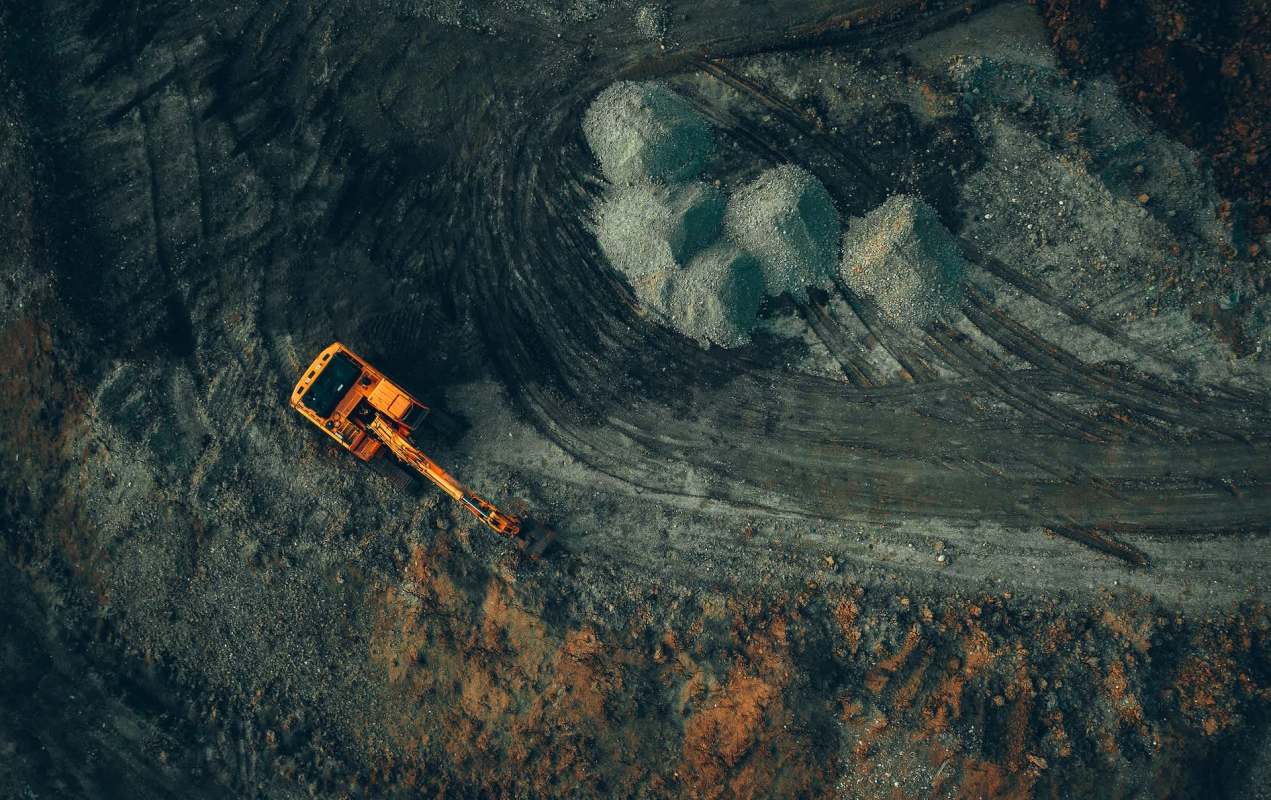
Residents in Piedmont, South Dakota, said blasting near their homes left cracks in foundations and tiles while coating decks in dust.
The city has now passed a new ordinance aimed at tightening rules for heavy industry near neighborhoods and water sources.
Here's what to know
Piedmont's city commission has approved a local ordinance for heavy industrial activity, with provisions covering dust and other pollution issues, as well as safeguards for public and private water supplies, according to KOTA.
Debate over the measure grew from a proposed quarry outside town. Neighbors warned about dust in the air, more heavy trucks on local roads, and the possible effects of blasting and mining on wells and property values. City leaders said the ordinance responds to those kinds of projects.
According to South Dakota state Sen. John Carley, residents' repeated complaints, especially about blasting, helped move the issue forward.
"There's people that came to some of these town hall meetings that said they've had blasting near their homes, and they've had cracks in the foundation, cracks in the tiles coming off their house, their decks being covered in dust or cracks, and so people were concerned about that being close to it," Carley said.
TCD Picks » Quince Spotlight
💡These best-sellers from Quince deliver affordable, sustainable luxury for all




More background
While major environmental permits are still handled at the state level, Piedmont has its own city framework for controlling pollution and setting conditions on industrial operations within city limits, according to KOTA.
Residents worried not only about a future mine or quarry, but also about what such a project could mean for daily life near their homes. The ordinance specifically addresses public and private water supplies, a key issue in communities concerned about wells and nearby excavation.
The ordinance itself says it is meant to "protect the health, safety, morals, and general welfare of the community." It treats industrial siting as a quality-of-life issue with direct consequences for homeowners and families.
What's being done?
City officials plan to use the ordinance when future industrial projects are proposed near homes or water sources. That gives Piedmont a clearer local standard for review instead of leaving those questions only to state-level processes.
The ordinance does not erase the underlying tension around industrial development, but it does create a formal framework for city action. Future proposals inside city limits will face rules tailored to Piedmont's concerns, rather than the old system that residents said left too many questions unanswered.
It also gives city leaders a way to attach conditions to industrial operations while state agencies continue handling the biggest permitting decisions. That split could shape how future projects are negotiated when they are proposed close to neighborhoods.
"So far a sense of relief, I don't think anyone thinks 'Oh there's nothing else left to do,'" Carley said. "I think people are going to continue to ask the city well continue to protect our value of our lands, our quality of life, our kids, and the citizens around there."
Where can I learn more?
Piedmont isn't the only place where residents have pushed back on industry near homes.
• In Berwick, Maine, officials ordered a gravel pit review after dust, water, and truck complaints.
• In Chicago, city leaders weighed a far-reaching ordinance to steer pollution away from neighborhoods.
• In Colorado, residents said new fracking rules gave drillers more power near homes.
• In Tyler, Texas, commissioners rejected a downtown Bitcoin mine after residents raised noise concerns.
• In Minneapolis, the city cited a demolition company after dust drifted into a nearby neighborhood.

Get TCD's free newsletters for easy tips, smart advice, and a chance to earn $5,000 toward home upgrades. To see more stories like this one, change your Google preferences here.






