


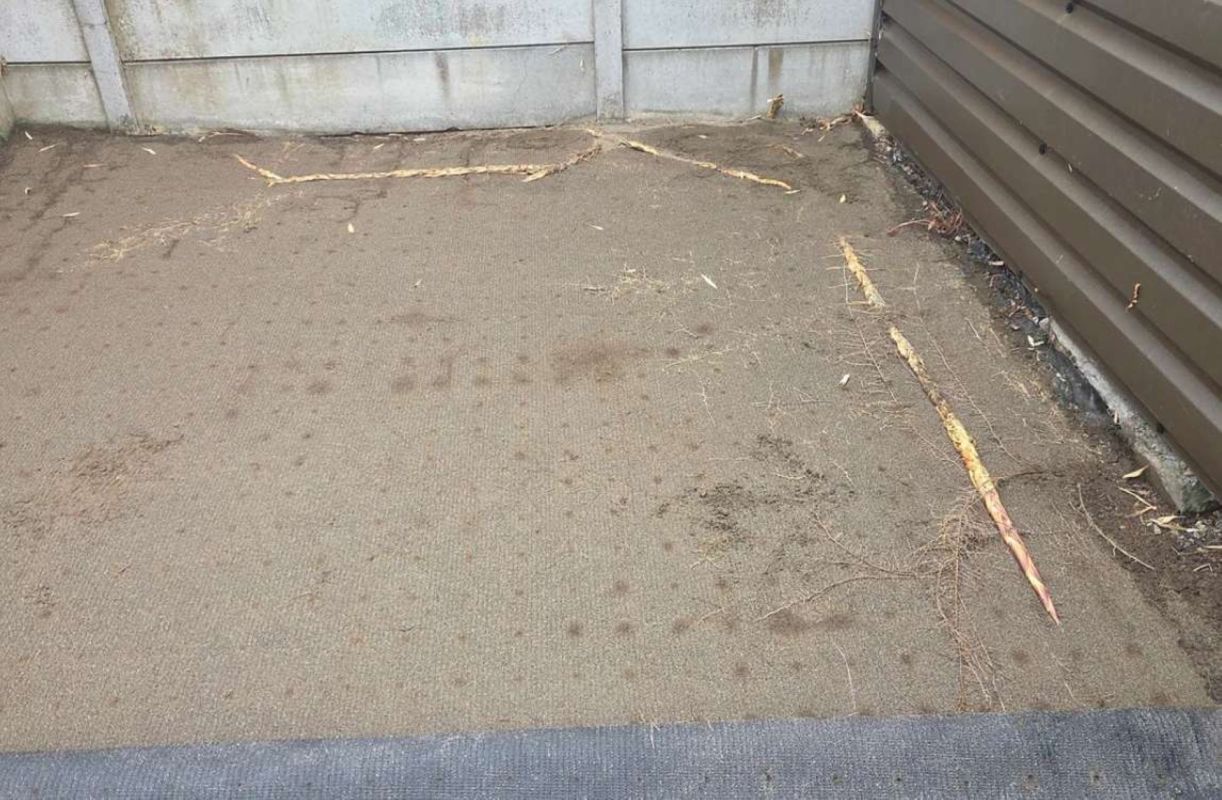
Online readers are reacting to a homeowner dispute in Dublin after one person's yard was reportedly invaded by a neighbor's black bamboo.
The post says the plant's rhizomes pushed roughly 10 feet past the boundary and even reached beneath a shed, turning a planting decision next door into a major problem.
What happened?
In a post on r/gardening, the homeowner said black bamboo, or Phyllostachys nigra, was aggressively spreading into the property from a neighboring yard.
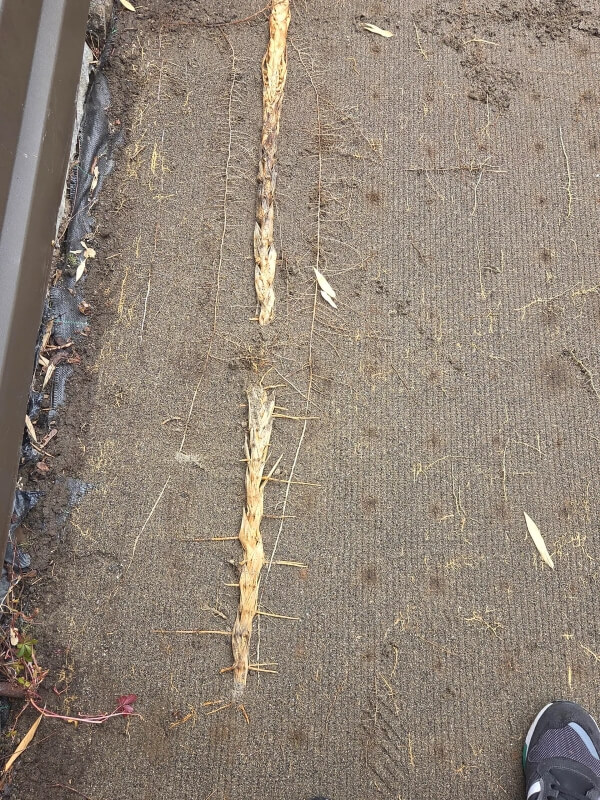
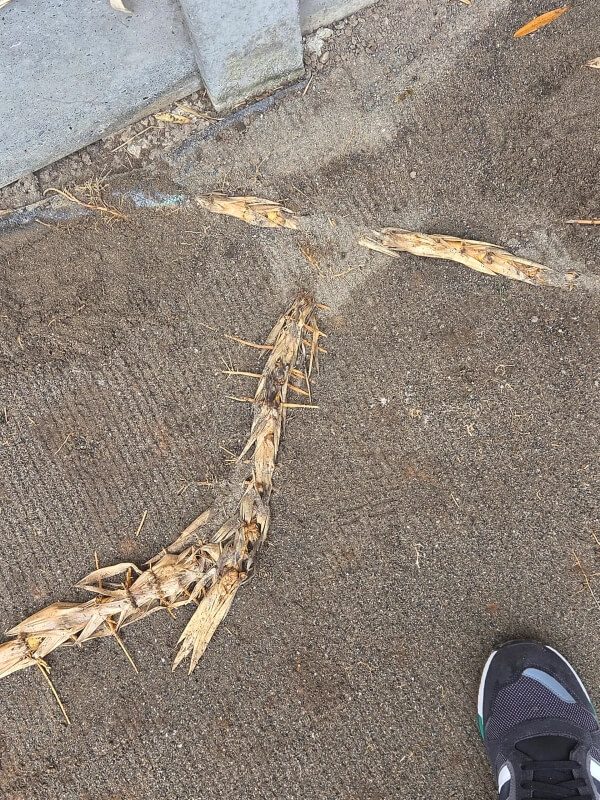
The bamboo was planted five years ago and had never been an issue before this summer, according to the original poster. Because the bamboo seemed to have crossed the property line and extended under a shed, though, they asked for advice on both containment and possible legal recourse before talking with the neighbor.
Why does it matter?
Running bamboo is especially notorious for spreading beyond where it was first planted, which can lead to disputes, cleanup costs, and concerns about damage to nearby structures.
Plants that are poorly matched to a region — or simply too aggressive for a residential setting — can create years of maintenance work and conflict. That is one reason many homeowners are moving away from high-input lawns and risky ornamental plantings in favor of lower-maintenance options that fit local conditions.
TCD Picks » Quince Spotlight
💡These best-sellers from Quince deliver affordable, sustainable luxury for all




Native plant lawns can save money and time on mowing and upkeep while lowering water bills. Options such as native plants, clover, buffalo grass, and xeriscaping can all reduce the need for irrigation and constant trimming, and even replacing just part of a conventional lawn can deliver those benefits.
What can I do?
When a dispute like this happens with a neighbor, the first steps are practical: document the spread, confirm the property line, and identify exactly what species is involved. If the plant is running bamboo, it may be worth speaking with a local landscaping professional or legal expert before removal efforts begin, especially if rhizomes have already spread under a structure.
Advice in the Reddit thread included installing deep root barriers, excavating rhizomes, and, in some situations, using targeted chemical treatment to contain the spread. Early action can make aggressive plants easier and less expensive to control.
For anyone rethinking their yard altogether, check out the TCD Guide's page on rewilding your yard and its page on upgrading to a natural lawn.

Get TCD's free newsletters for easy tips, smart advice, and a chance to earn $5,000 toward home upgrades. To see more stories like this one, change your Google preferences here.






