


Berkeley homeowners selling one- and two-unit homes now face what city officials say is a first-in-the-nation requirement: make climate-friendly upgrades as part of the sale or help fund them for the buyer.
The new rule could add upfront costs for sellers, but local leaders say it is intended to cut pollution from buildings while helping homes become more efficient, comfortable, and cheaper to operate over time.
What's happening?
On January 1, 2026, Berkeley began requiring sellers of one- and two-unit homes to make emissions-cutting improvements when a property changes hands, The Daily Californian reported. The city says it is the first in the United States to directly tie mandatory green home upgrades to a sale.
The change followed last year's update to Berkeley's Building Emissions Saving Ordinance, or BESO. Before that, smaller homes only had to complete an energy assessment identifying possible upgrades.
According to The Daily Californian, Berkeley sustainability program coordinator Ammon Reagan said that while assessments were required, only about 2 to 3% of homeowners went on to make emissions-cutting improvements.
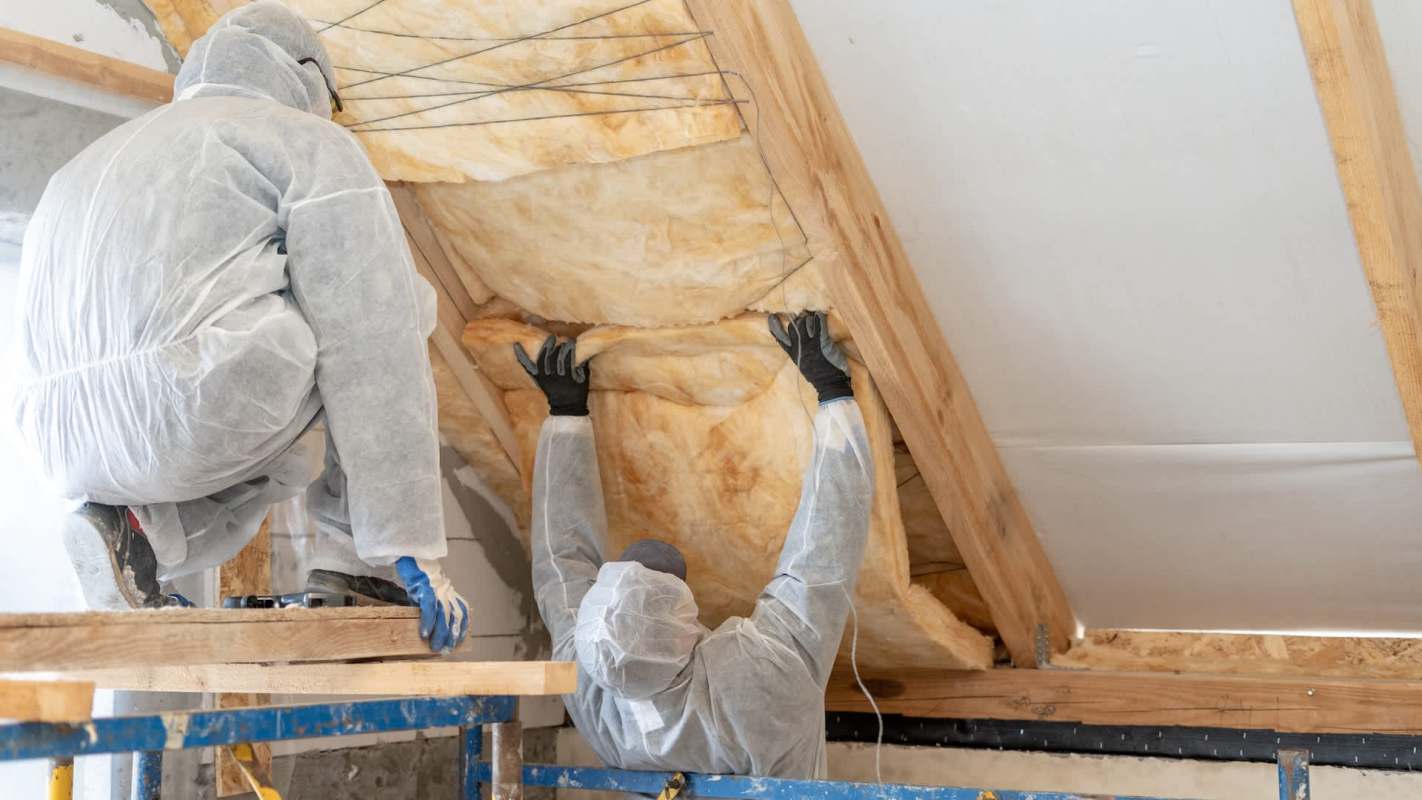
Under the new policy, homes must meet a resilience standard worth six credits through upgrades such as wall insulation, solar panels, or a heat pump water heater. The work can be completed before closing or shifted to the buyer, who then gets two years and a shared $5,000 deposit to cover the upgrades.
Reagan said the city has already logged 64 projects as completed or exempt and received 105 deposits this year.
Why does it matter?
Buildings are Berkeley's second-largest source of pollution, making the ordinance central to the city's plan to reach net-zero emissions by 2045.
Save $10,000 on solar panels without even sharing your phone number Want to go solar but not sure who to trust? EnergySage has your back with free and transparent quotes from fully vetted providers in your area. To get started, just answer a few questions about your home — no phone number required. Within a day or two, EnergySage will email you the best options for your needs, and their expert advisers can help you compare quotes and pick a winner. Solar panels can save you more than $50k over their 25-year lifespan, and EnergySage can help you save as much as $10k on installation. Which begs the question — isn't that worth an email or two? |

Upgrades such as better insulation, solar panels, and electric appliances can lower monthly utility bills, improve indoor temperature control, and reduce reliance on polluting fossil fuels.
The policy could also make home sales more complicated in the short term. Berkeley realtor Spencer Hsu said he expects the rule to raise transaction costs, particularly because some of the required improvements can take years to pay for themselves.
City leaders argue that waiting for homeowners to voluntarily make changes has not worked. Because most local home sales happen in the one- to four-unit category, Berkeley is targeting the segment where officials believe the ordinance can make the biggest difference.
What's being done?
Berkeley built flexibility into the program rather than requiring every seller to complete all upgrades before moving out.
If a sale moves forward before the work is done, the buyer can take on the requirement. In that case, the buyer gets two years to complete the improvements, with a $5,000 deposit paid equally by the seller and buyer.
Some homes may qualify for exemptions if they already have lower-emissions features, including a heat pump water heater or a heat pump HVAC system.
Berkeley is also planning to expand the policy. The city council has already approved similar requirements for buildings with three or more units, set to take effect in 2028, The Daily Californian reported.
"At the end of the day, existing homeowners don't really have much of a choice; this becomes more of a cost to sell that they didn't have before," Hsu said.
Reagan, meanwhile, said, "The policy is focusing on the bulk of our sales that are going on."

Get TCD's free newsletters for easy tips, smart advice, and a chance to earn $5,000 toward home upgrades. To see more stories like this one, change your Google preferences here.






