


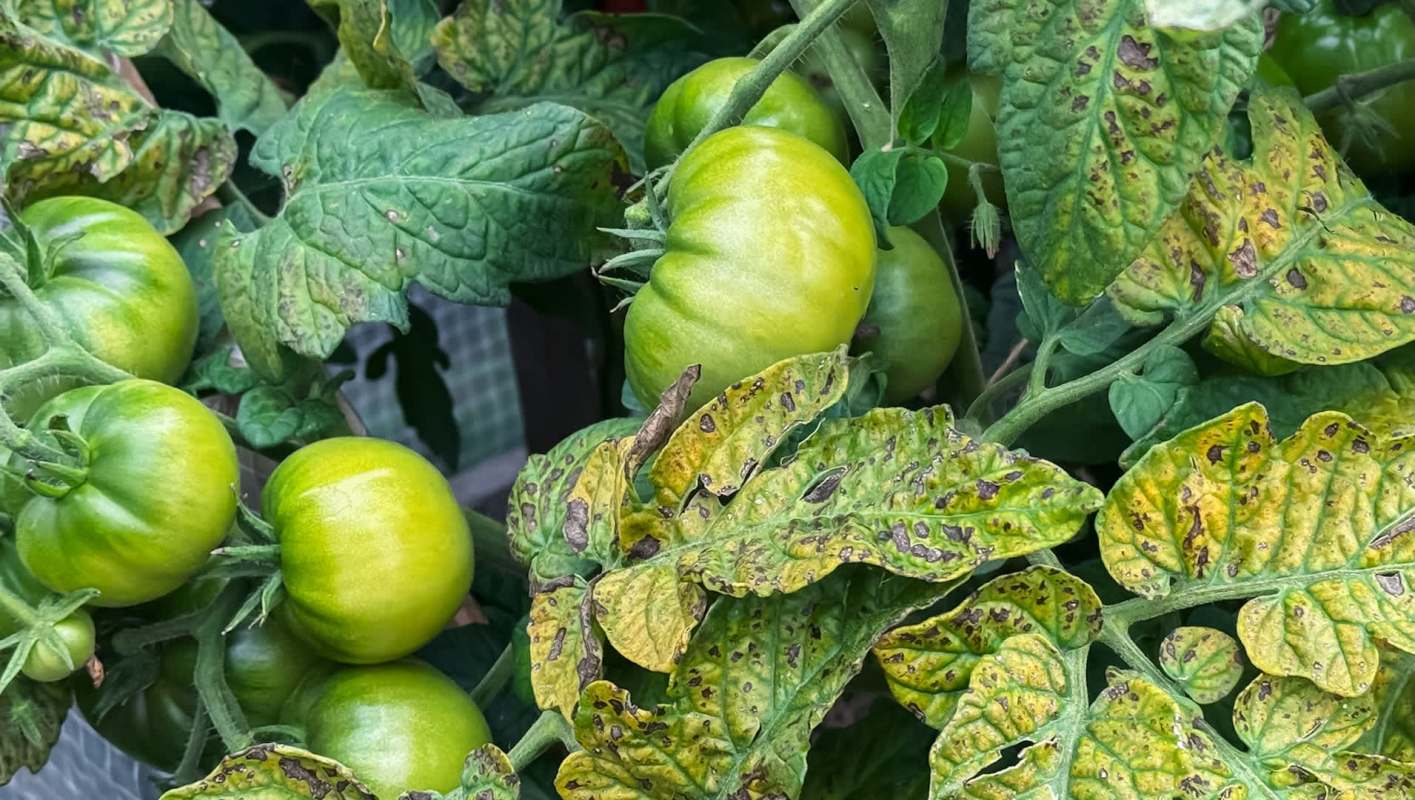
For many home gardeners, the first ripe tomato of summer is the payoff for weeks of watering, weeding, and waiting.
But one fast-moving plant disease is threatening that reward — and in severe cases, it can wipe out nearly an entire crop.
That is what makes it especially alarming: Once a plant is infected, there is no cure.
What's happening?
Gardeners who grow tomatoes are being urged to watch for beet curly top virus.
As UPR reported, the disease is showing up more often in the southern part of the state, a trend that could eventually affect growers farther north, too.
A small leafhopper spreads the disease, often after feeding on infected weeds and then moving into vegetable gardens.
TCD Picks » Quince Spotlight
💡These best-sellers from Quince deliver affordable, sustainable luxury for all




Tomatoes are particularly vulnerable, and symptoms can begin to appear about two weeks after the insects feed on a plant.
One of the biggest clues is a specific mix of symptoms: leaves that yellow, curl, and show purple veins. When all three appear together, beet curly top virus becomes a likely culprit.
The disease can wipe out about half to nearly all of a tomato harvest, and there is currently no treatment for it.
"It's very sad and devastating," gardening expert Ben Scow said in the segment. "There's no cure for it. The only thing we can do is to pull the plants up."
Why does it matter?
Tomatoes often take a starring role in home gardens, so losing them can be a major setback.
They can help families spend less on groceries, often taste better than many store-bought options, and give gardeners a strong sense that their work is paying off.
When plants die in midseason, the loss can feel both expensive and disheartening.
Home gardening offers more than just fresh produce. It can support physical health through light outdoor activity, improve mental well-being by helping reduce stress, and give families more control over how their food is grown. A disease that destroys plants can chip away at those benefits.
Beet curly top virus can resemble other tomato problems at first glance. If gardeners mistake it for a less serious issue and leave infected plants in place, they may lose valuable time and increase the risk of more crop damage.
What can I do?
Quick identification is critical because infected plants are unlikely to recover.
If your tomatoes start to yellow, develop curled leaves, and show purple veins, treat that combination as a serious warning sign.
It is recommended to remove affected plants promptly.
Gardeners can also lower the risk by keeping weeds under control, since leafhoppers often acquire the virus from infected weeds before moving to tomato plants.
For more low-impact gardening strategies, see growing your own food, controlling pests without chemicals, and controlling weeds without chemicals.
If you are not sure what you are seeing, you can send plant samples to a lab for testing. Still, if the classic combination of symptoms is present, waiting may do little good.
Removing the plant quickly may be the best way to protect the rest of the garden and preserve at least part of the harvest.

Get TCD's free newsletters for easy tips, smart advice, and a chance to earn $5,000 toward home upgrades. To see more stories like this one, change your Google preferences here.







