


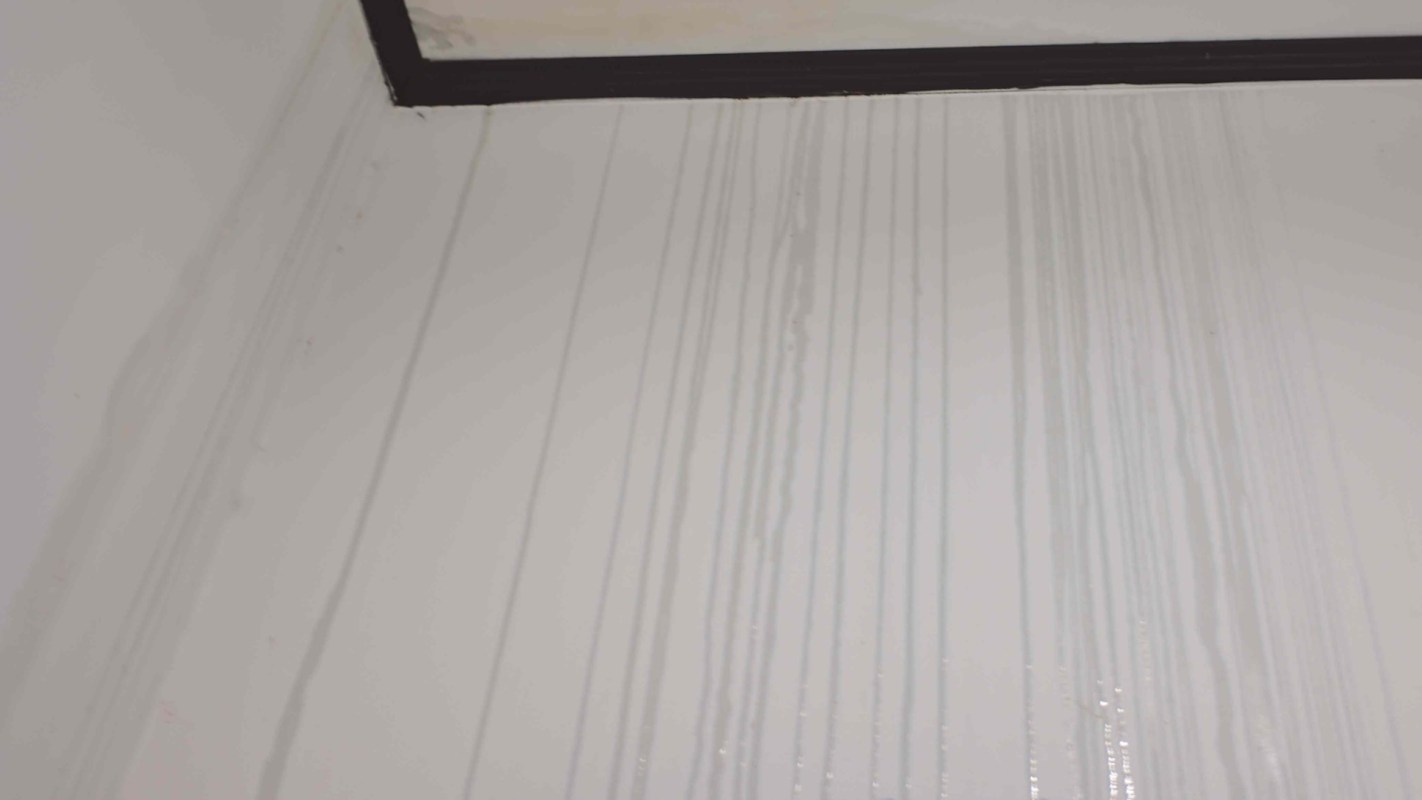
When water starts running down an interior wall, it's easy to assume there is a hidden leak somewhere inside the home. However, one homeowner found out that may not be the case.
Here's what to know
Roughly 12 years after exterior insulation was installed, and with attic insulation already in place, a homeowner in Ireland said their bedroom started having problems in cold weather.
In a Reddit thread, the original poster wrote that the walls "sweat with water running down them" even when the heating is on.
Condensation rather than a plumbing leak appeared to be the problem. One commenter explained, "Condensation like this means the walls are below the dew point temp of the air in the space. So your options are to try to keep the walls warmer with insulation or decrease the dew point temp of the air with a dehumidifier."
Another commenter noted that attic insulation would not address heat transfer through the walls: "Warm humid air is most likely condensing on the cool wall, so whatever insulation you have in the exterior walls isn't effective enough to keep the inside surface warm."
After the homeowner said the wet area shows up "above bedroom window and beside it mainly indoors," the conversation narrowed to a poorly insulated window reveal, damage in the exterior finish, or water getting behind the external wall insulation and cooling that section of wall.
TCD Picks » Quince Spotlight
💡These best-sellers from Quince deliver affordable, sustainable luxury for all




More background
When interior walls stay damp for extended periods of time, mold becomes more likely to form, indoor comfort can decline, and the heating system may have to work harder because cold wall surfaces can make a room feel chilly even when the heater is on.
If insulation has failed or become saturated, the house can lose heat more quickly, meaning more energy is needed just to maintain the same temperature. Fixing the root cause may reduce condensation and lower heating costs.
Deteriorated seals, cracked render, or weak insulation around a window can leave one patch cold enough for condensation in a damp climate.
The original poster noted there had been "slight mold problems before then," suggesting the wall may have had similar issues in the past.
What can be done?
Commenters recommended starting with lower-cost diagnostics before moving on to major repairs. One suggested using a digital thermometer gun to scan for colder wall areas, saying they cost about "€15-20." Another recommended an environmental data logger to track room temperature and humidity, adding, "Temps below 17° and RH above 70% are the trigger points for condensation to occur. Probably about €40 tops."
Diagnostic tools can help homeowners figure out whether the simpler fix is better ventilation or dehumidification, or whether a contractor needs to inspect the exterior wall system.
People in the thread also recommended leaving trickle vents open to improve cross ventilation, examining the area above and around the window for cracks or thin spots in the render, and checking whether the seals at the top of the external wall insulation have failed.
A dehumidifier may help manage the symptoms, but several commenters described the real fix as something that will keep the interior surface warmer with effective insulation, reduce the moisture in the room, or do both so condensation stops forming there.
Where can I learn more?
There are plenty of practical ways to keep a house warmer, improve airflow, and ensure it holds up better in tough weather.
• Architects are warning that extreme weather is exposing serious flaws in many modern homes.
• Contractors say a well-placed attic fan can lower household energy costs.
• Developers are reviving ancient cooling methods to improve comfort without heavier energy use.

Get TCD's free newsletters for easy tips, smart advice, and a chance to earn $5,000 toward home upgrades. To see more stories like this one, change your Google preferences here.






