


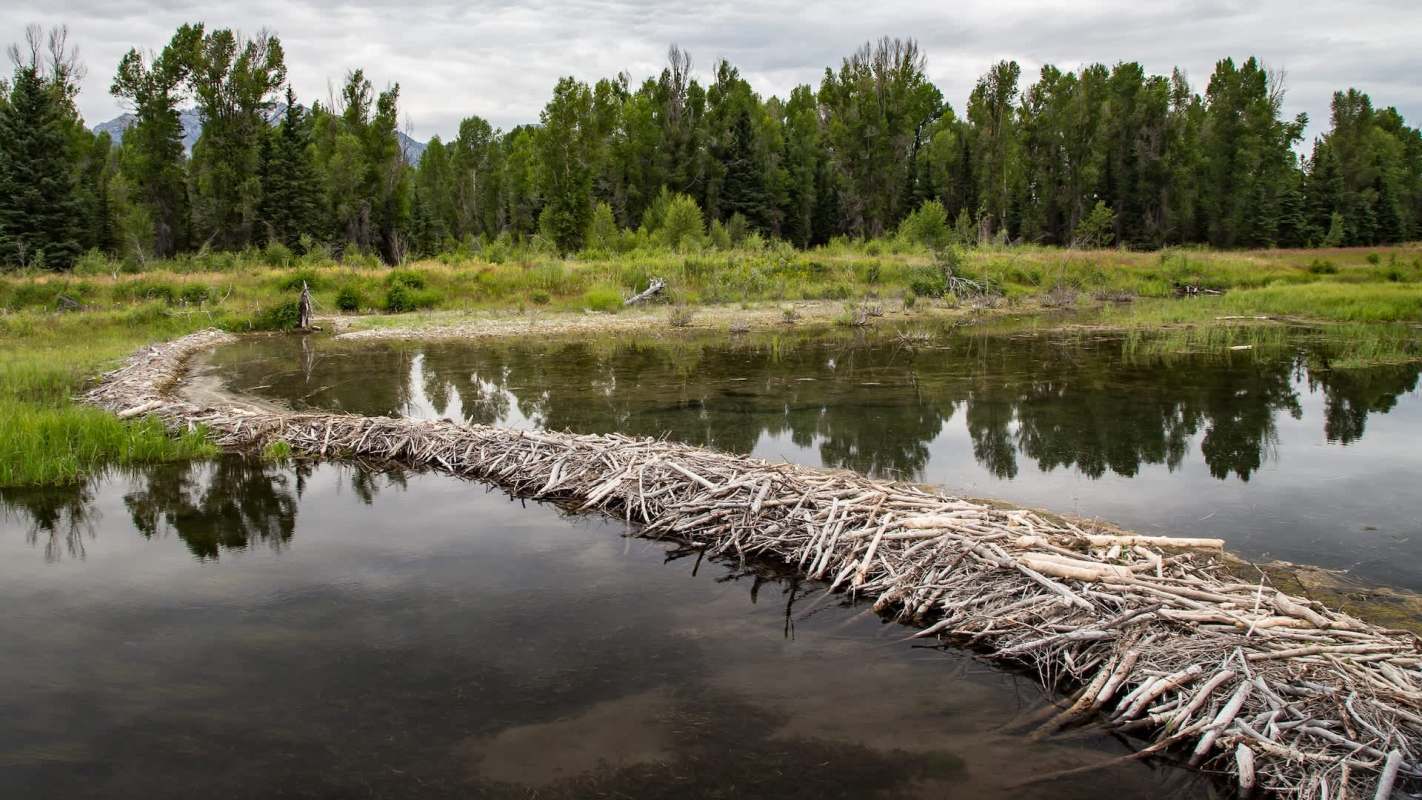
Michigan homeowners around Little Traverse Lake say spring storms are only part of the reason water keeps ending up in their yards and crawlspaces.
They say downstream beaver dams are a major factor along with a federal policy that keeps those dams from being removed before flooding starts.
Here's what to know
Regular flooding affects about 20 of Little Traverse Lake's 174 properties in Leelanau County, according to the Leelanau News, which reported that beavers dam Shalda Creek, the waterway that carries the lake through Sleeping Bear Dunes National Lakeshore to Lake Michigan.
Homeowners say major rain events can cause water to back up because of three dams below the lake. Jeff Shutz, vice president of the Little Traverse Lake Association, said his crawlspace took on 5 inches of water in April.
Doug Verellen, a lakeside resident who said he gathered dozens of signatures for a petition, told the outlet that conditions worsened around 2012 after the National Park Service stopped allowing preventive dam removal.
"By then, it's too late, after people have property damage," Verellen said of the policy that allows intervention only after water has peaked. Slow drainage in the area's mostly flat watershed is another part of the problem.
TCD Picks » Quince Spotlight
💡These best-sellers from Quince deliver affordable, sustainable luxury for all




Residents say a longtime maintenance routine gave way to the strict practice, a shift that is part of a broader pattern of human-wildlife conflict in which land-use and policy choices intensify clashes that people create.
In a May statement posted by the Little Traverse Lake Association, Sleeping Bear Dunes Superintendent Scott Tucker said a Park Service hydrologist was "developing clear, objective trigger points that identify when targeted intervention with beaver dams may be necessary," the News reported.
More background
By building dams that create ponds around their lodges, beavers form wetlands with ecological value.
The News noted that one study showed dammed ponds can host 80% more species than undammed ones, meaning beavers can benefit fish and other wildlife.
Dam removal can quickly change water levels, according to the outlet. One 2015 study found that removing a single beaver dam lowered Little Traverse Lake by over half an inch in 12 days. A 2020 study documented a 9-inch drop over 30 days, and removing two dams in 2024 lowered Shalda Creek beneath a bridge by 5 inches in 24 hours.
The News also highlighted Michigan's record April rains, which flooded much of the state and pushed both lake levels and the water table into yards and homes.
What's being done?
"It is important to emphasize that the [NPS] has not issued — and will not issue — blanket approval for beaver dam manipulation. Any intervention must be supported by data and justified by the specific circumstances at hand," Tucker said in that statement.
Cleveland Township and the Leelanau County Road Commission invested in a $1.1 million culvert project near where Little Traverse Lake meets the creek to lower water levels, but township leaders will not spend more unless the downstream dams are addressed first, the News reported.
"I love the park," Shutz said. "It's wonderful to have it out our back door. And I understand very well their desire to make it a wilderness area where animals have free rein. I have no animosity toward them. I hope we can work together and come up with some sort of beaver dam maintenance policy. They're good guys at the park and they listen."
Where can I learn more?
These stories look at how beavers, dams, and management decisions affect waterways and nearby communities.
• Across the American West, volunteers use "beaver bombing" to revive dry ecosystems without waiting for agencies.
• In England, reintroduced beavers transformed environments while slowing floods and storing water through droughts.
• In Scotland, beaver dams trap pollution in streams even as they complicate land management.
• In Michigan, crews removed a Flint River dam, and river life rebounded quickly.

Get TCD's free newsletters for easy tips, smart advice, and a chance to earn $5,000 toward home upgrades. To see more stories like this one, change your Google preferences here.






