


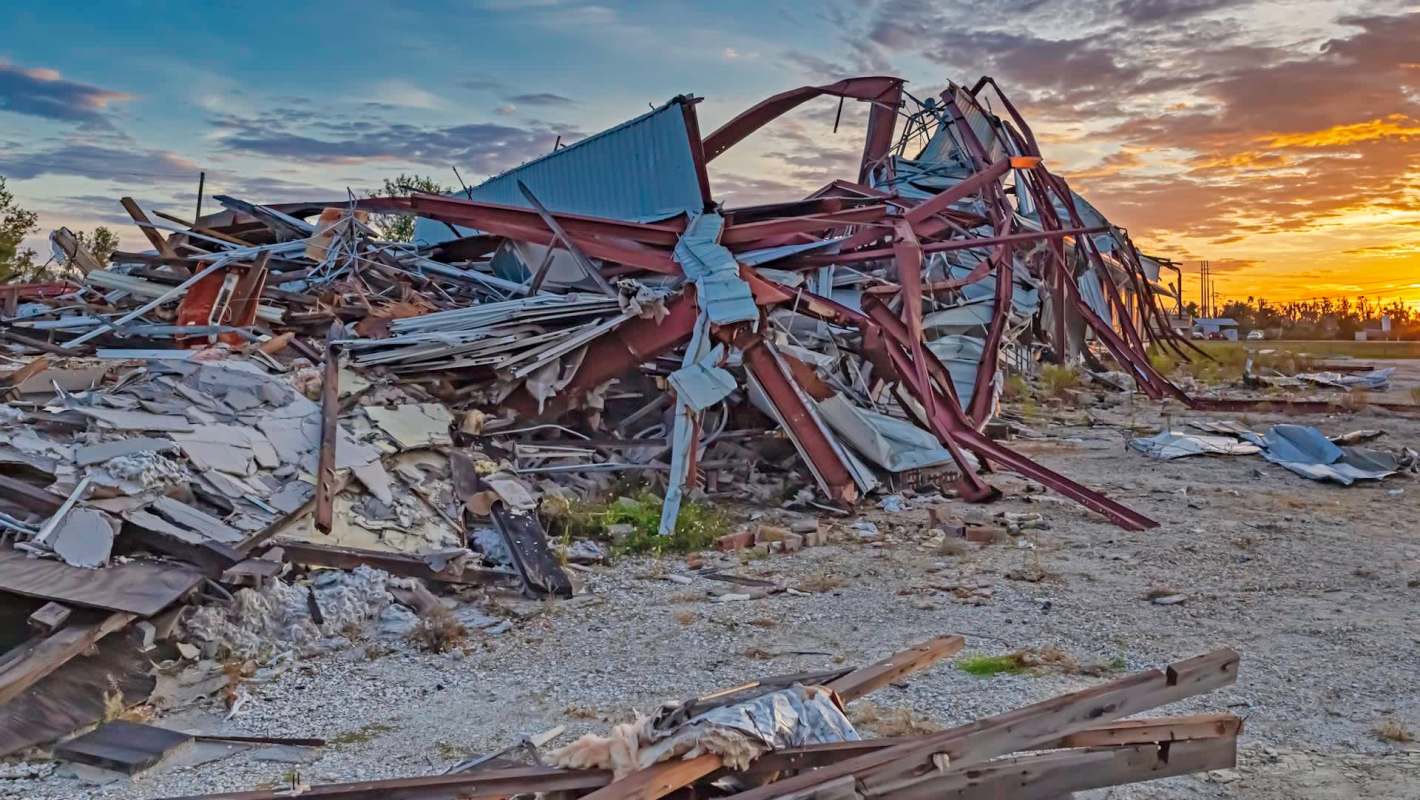
After residents in unincorporated neighborhoods said county storm cleanup was not reaching them, Bay County, Florida, is changing its approach to hurricane debris removal.
County crews will now make a roadside pickup pass in those communities, sparing many households the expense and effort of disposing of fallen trees and limbs on their own.
Here's what to know
According to WJHG, Bay County broadened its debris plan to cover some unincorporated areas after residents objected to being excluded from pickup. Before that shift, the county had said pickup in those areas would be available only to elderly or infirm residents applying through Rebuild Bay.
Bay County Commissioner Doug Moore said officials altered the plan after watching storm debris continue to build up.
"We were seeing that the vegetation and debris continued to accumulate, and from that we were able to then assess. OK, it's reached a point now where it is sufficient that we can stand this operation up. This operation will be an efficient use of the funds. It will meet the needs," Moore said.
The county said there will be one roadside collection pass handled by county employees with county equipment, and it will cover loose vegetative debris such as fallen trees, branches, and limbs.
TCD Picks » Quince Spotlight
💡These best-sellers from Quince deliver affordable, sustainable luxury for all




To be included in the collection, residents must place debris at the roadside by Oct. 26 and keep sidewalks and traffic lanes open.
More background
Until this policy change, county pickup did not extend to households in unincorporated areas.
For families already dealing with hurricane recovery, cleanup can quickly become both a financial and logistical burden.
In West Panama City Beach, resident Cynthia Mitchell told the station the revised policy should ease concerns in the neighborhood.
"We are excited. It's really going to help everyone in our community. Everyone here really appreciates it. I know because they were very concerned about having to figure out how to get rid of that," Mitchell said.
Moore said the wider pickup effort also raises budget questions: "How are we going to go about doing it? How are we looking at it from the standpoint of it's the best use of the funds, even if we don't get reimbursed by the federal government?" He also noted that FEMA reimbursement is not guaranteed.
That leaves Bay County balancing the need to remove hazardous storm debris with the possibility of paying for the work locally.
What's being done?
Residents can take debris to the Steel Field Landfill for free through Oct. 25. Once that no-cost drop-off window closes, the county's roadside collection will begin and could take several weeks to finish.
The plan calls for a one-time pass by county crews using county equipment to collect unbagged vegetative storm debris, and Moore said work will start on the biggest roads.
"We're doing the major roads first, then we will move from there and be able to address and remove the items and debris," Moore said.
Residents who cannot safely move branches, limbs, or fallen trees to the curb can apply to Rebuild Bay for assistance.
Where can I learn more?
For more on cleanup and waste problems that can leave residents scrambling, these stories take a broader look.
• In Florida, contractors doing dangerous canal hurricane cleanup say split-second mistakes can turn deadly.
• In Louisiana, Titan Waste Solutions is expanding outside-the-dumpster thinking to handle heavy debris.
• In New York City, trash piles up on streets as sanitation complaints intensify.
• On a polluted beach, volunteers started cleaning up trash when officials failed to act.
• In Kinloch, Missouri, major cleanup is underway after decades of illegal dumping.

Get TCD's free newsletters for easy tips, smart advice, and a chance to earn $5,000 toward home upgrades. To see more stories like this one, change your Google preferences here.






