


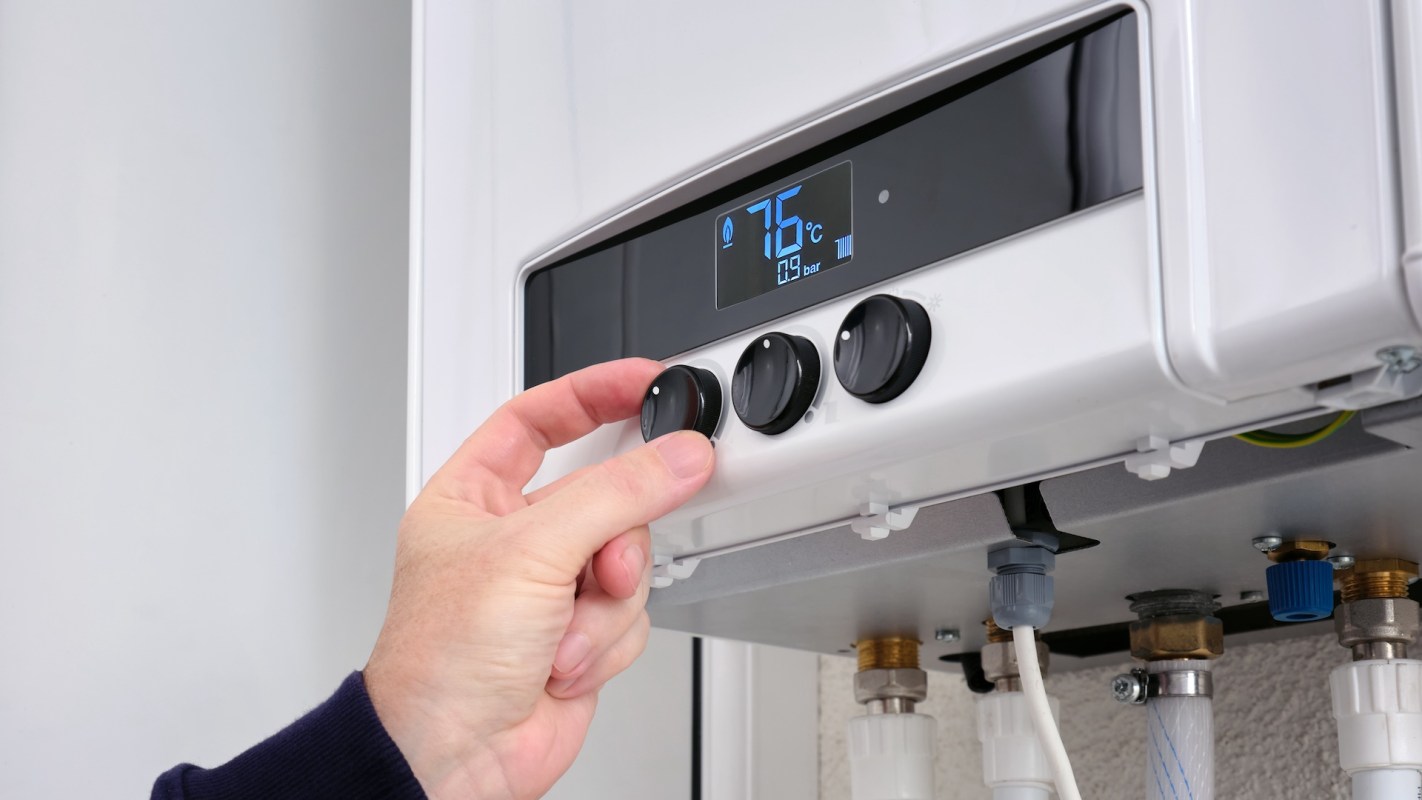
After hearing worries about costs, timing and whether homes can handle the change, Bay Area air regulators are weighing a slower rollout for the region's move away from newly installed gas water heaters.
If adopted, the changes would push back the deadline and broaden who can qualify for exemptions while keeping the cleaner air effort intact.
What happened?
According to CBS News Bay Area, the Bay Area Air District is considering updates to its water heater rule that would move the start date back one year, to January 2028, and add exceptions for low-income property owners and others facing major upgrade barriers.
The original rule did not require anyone to remove a working water heater. Once a unit needs replacement, though, the new one would have to be a zero-NOx model, meaning it produces no nitrogen oxides.
Among those who could be exempt under the draft language are households enrolled in Medi-Cal or CalFresh and owners spending more than 28% of their income on mortgage or property-tax costs. Properties with limited electrical capacity, ventilation problems, or too little physical space for an easier clean energy swap would also qualify.
Philip Fine, executive officer of the Bay Area Air District, said, "We heard from homeowners that the cost and logistics of switching to cleaner appliances can be real barriers, and we have responded by proposing common sense solutions."
TCD Picks » Quince Spotlight
💡These best-sellers from Quince deliver affordable, sustainable luxury for all




Why does it matter?
The debate centers on public health and household affordability. Water heaters are essential appliances that often stop working with little warning, and for many families, replacing one is an emergency expense rather than a planned upgrade.
Some homeowners and property owners worry that cleaner replacement requirements could force them into costly electrical work, delay urgent repairs, or worsen an already difficult financial situation. Those concerns are especially pressing for lower-income households, older homes, and small businesses operating on thin margins.
The policy aims to reduce nitrogen oxide pollution, which could improve air quality across communities, especially in dense urban areas where smog and respiratory illness already affect residents at high rates.
What's being done?
The proposed changes are aimed at making sudden water heater replacements more manageable in the situations residents have raised most often, including outdated electrical panels, tight spaces, and financial strain.
The exemptions would also cover some businesses and facilities that rely on steady hot water service, including restaurants, laundries, hospitals, and senior care homes.
The agency will accept public comments on its website through Aug. 13, and its board plans to weigh the changes this fall.
As Fine put it, "A property owner with an older electrical panel, a tight utility closet or income constraints will have a clear path forward, so a broken water heater will never become a financial crisis."

Get TCD's free newsletters for easy tips, smart advice, and a chance to earn $5,000 toward home upgrades. To see more stories like this one, change your Google preferences here.






