


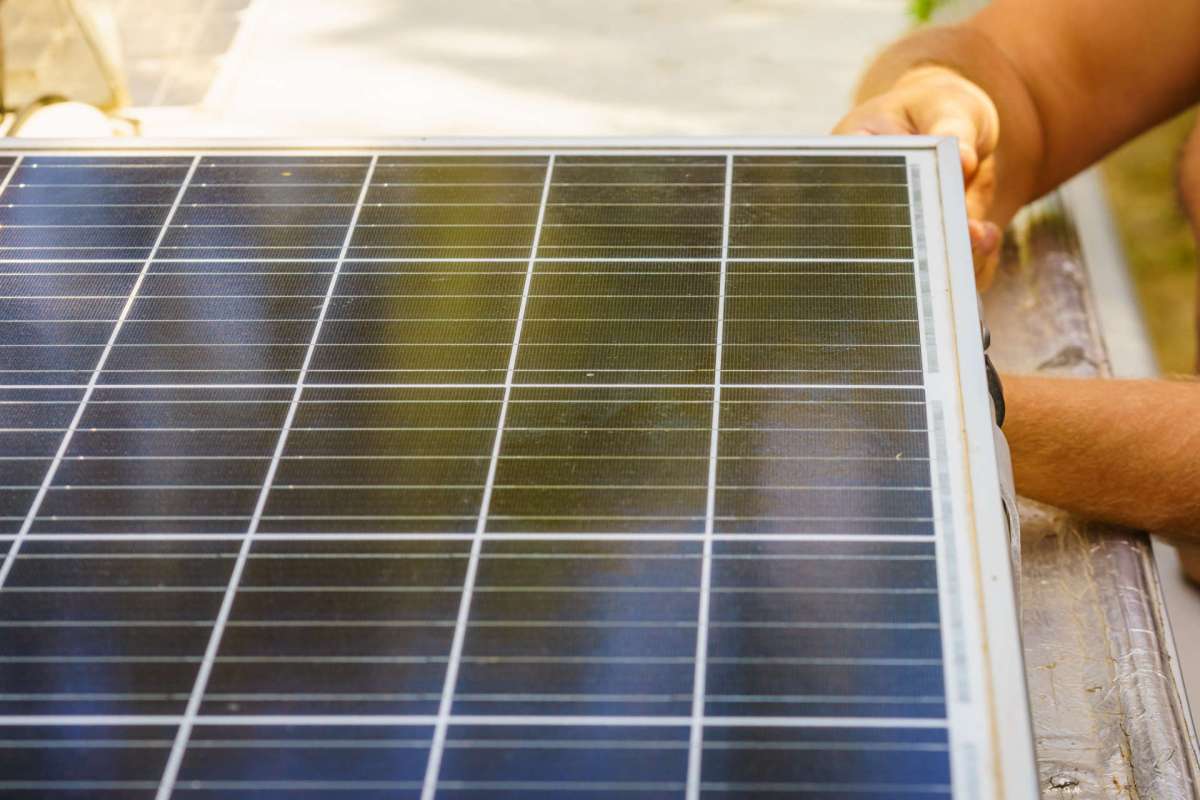
Future solar expansion was at the center of a question from a homeowner preparing an 8-kilowatt battery-only system.
Because the roof could not take panels, they wanted to know whether solar could later go somewhere else — for example, on a backyard pergola — without creating issues for the grid operator or electricity supplier.
As home batteries become more common, that kind of phased approach could help households start saving sooner while building a cleaner energy system over time.
Here's what to know
The issue came up in a Reddit thread where the homeowner said they were "about to order a MCS-installed 8kW inverter battery-only system" and asked whether self-installed panels added to a pergola in the future might prompt objections from either the distribution network operator or the supplier.
In the replies, attention quickly turned to export limits rather than the pergola itself.
One commenter said, "As long as the panels are connected to the hybrid inverter on the batteries it should be fine," but noted that using "microinverters, or a separate inverter," could become a problem by increasing the home's potential export beyond the approved cap.
Battery storage is one of the most effective ways to protect a home during outages, lower energy bills, and move closer to energy independence. A battery-only setup can also let homeowners buy electricity when rates are low and potentially sell it back when rates spike, depending on the tariff.
If you're considering a similar setup, it may be worth exploring EnergySage's free tools to get information about home battery storage options, including competitive installation estimates. EnergySage has teamed up with the electrification brand Qmerit to guarantee you get the best price on home battery storage solutions.
Save $10,000 on solar panels without even sharing your phone number Want to go solar but not sure who to trust? EnergySage has your back with free and transparent quotes from fully vetted providers in your area. To get started, just answer a few questions about your home — no phone number required. Within a day or two, EnergySage will email you the best options for your needs, and their expert advisers can help you compare quotes and pick a winner. Solar panels can save you more than $50k over their 25-year lifespan, and EnergySage can help you save as much as $10k on installation. Which begs the question — isn't that worth an email or two? |

Pila is another company offering excellent battery backup options, and its plug-and-play batteries are priced at a fraction of what a whole-home backup system would cost.
More background
The thread highlights a broader pattern in home energy planning: some households install batteries first and add generation later.
That can be especially appealing where roof design or site conditions — including chimneys, dormers, roof shape, or shading — make a conventional rooftop array difficult even though a battery may still make financial sense.
People in the discussion said grid permission was only part of the equation; export payments could be another hurdle.
One commenter wrote, "Export with Octopus should be OK with MCS certificate," while another said that "some suppliers … will insist that you have at least some solar panels."
Potential savings, in other words, depend on more than the equipment alone. Tariff rules, system setup, and supporting paperwork all matter, and the thread mentioned one beta export option paying £1 (~$1.35) per kilowatt-hour, alongside a warning that the figure could end up closer to about 20 pence per kilowatt-hour.
What can be done?
Thinking through later solar additions before the battery installation is locked in may reduce headaches. An installer can outline how a future pergola array would tie into the system, whether the chosen inverter has room for it, and what that would mean for export approval.
The final design may also be shaped by both the distribution network operator and the retail supplier. A household could stay within its formal export allowance and still face questions if the paperwork on file no longer matches the generating capacity the property appears to have later on.

Get TCD's free newsletters for easy tips, smart advice, and a chance to earn $5,000 toward home upgrades. To see more stories like this one, change your Google preferences here.






