


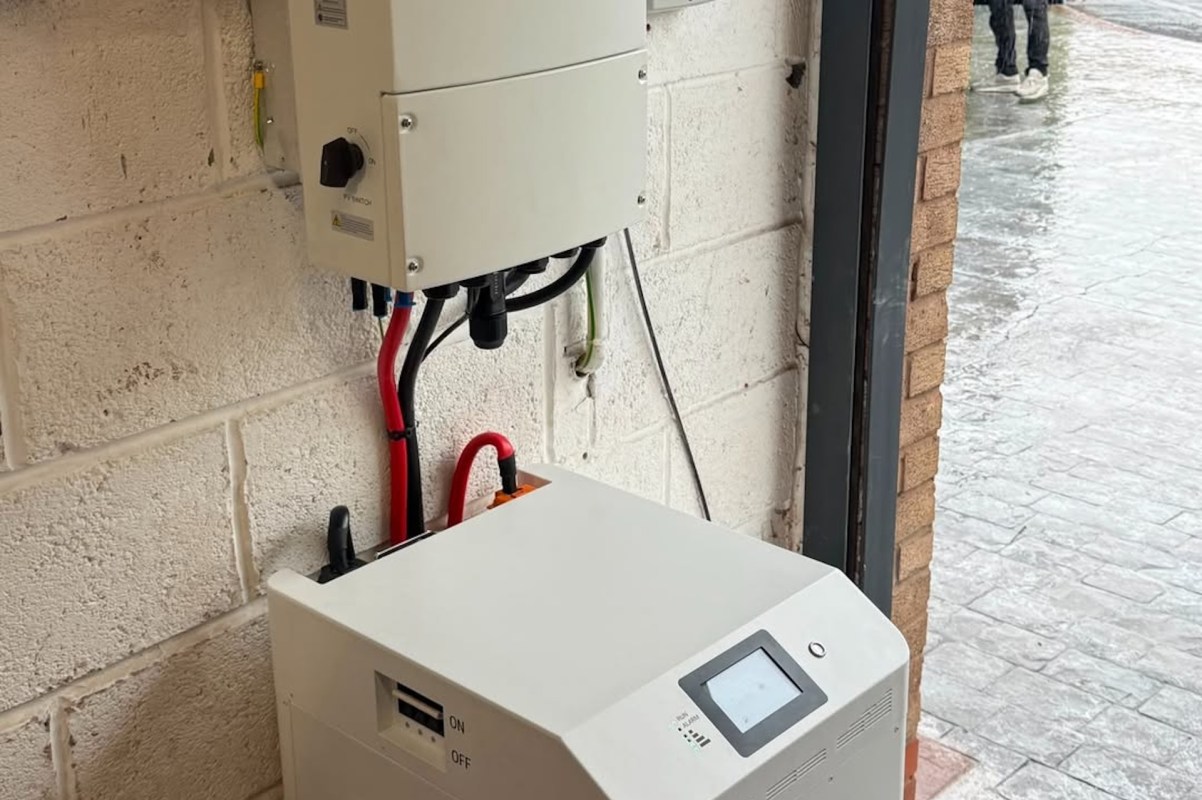
A U.K. homeowner hoping to skip solar panels and install batteries alone to avoid expensive peak electricity rates sparked a lively debate over whether the math still works — and what paperwork is still required.
Here's what to know
With solar-and-battery packages widely advertised in the £5,000 to £8,000 range (about $6,700 to $10,800 at current exchange rates), the r/SolarUK poster wanted to know if a battery-only setup could be assembled for less.
In the Reddit thread, the homeowner described the basic idea, writing, "The plan is fairly straightforward: I'll charge the batteries overnight using an off-peak electricity tariff, then use the stored energy to power the house during the more expensive peak periods."
For homeowners weighing similar upgrades, EnergySage can be a smart way to learn about home battery storage options, including competitive installation estimates. EnergySage has also teamed up with the electrification brand Qmerit to guarantee you get the best price on home battery storage solutions. Pila is another company offering excellent battery backup options, and its plug-and-play batteries are priced at a fraction of what a whole-home backup system would cost.
The conversation suggested that one lower-cost path is to buy batteries and an inverter separately, then have a qualified electrician handle the wiring and commissioning.
More background
Some households are beginning to treat batteries not just as solar add-ons but as stand-alone tools for "arbitrage" — buying power when it is cheap and using or exporting it later when rates are higher.
Electricity tariffs were just as important to the discussion as the hardware itself. Commenters also emphasized that the system has to be sized and designed carefully. Inverter capacity affects how fast a battery can recharge during an off-peak window, and several people noted that solar panels don't determine the grid-notification rules.
What can be done?
For homeowners considering battery-only storage, the first step is matching the system to real household use. A home with modest demand may need much less storage than one with an EV charger, heat pump, or air conditioning.
Save $10,000 on solar panels without even sharing your phone number Want to go solar but not sure who to trust? EnergySage has your back with free and transparent quotes from fully vetted providers in your area. To get started, just answer a few questions about your home — no phone number required. Within a day or two, EnergySage will email you the best options for your needs, and their expert advisers can help you compare quotes and pick a winner. Solar panels can save you more than $50k over their 25-year lifespan, and EnergySage can help you save as much as $10k on installation. Which begs the question — isn't that worth an email or two? |

The savings case depends heavily on whether a household can access time-of-use pricing. Without cheap off-peak electricity, the economics can shift sharply.
Where can I learn more?
Battery-only systems are part of a wider push to use stored electricity to lower bills and rely a little less on the grid. A few stories show how rates, financing, and system size can all shape whether a setup pencils out.
• In the U.K., neighborhood-scale batteries could cut bills by storing cheap power for later use.
• In Louisiana, homeowners are taking back control with batteries and electrified appliances.
• Palmetto-backed plans remove upfront cost barriers for home backup batteries.
Anyone pricing out a battery-only setup should look beyond equipment cost. Financing options, off-peak tariffs, and local grid requirements can all significantly affect the final savings.

Get TCD's free newsletters for easy tips, smart advice, and a chance to earn $5,000 toward home upgrades. To see more stories like this one, change your Google preferences here.






