


Bad-weather outages can turn backup power into a question of timing: Do you head outside right away to start a generator or wait it out? One homeowner described a setup that avoids that first trip by moving a few key circuits onto battery power with a handful of switches.
Here's what to know
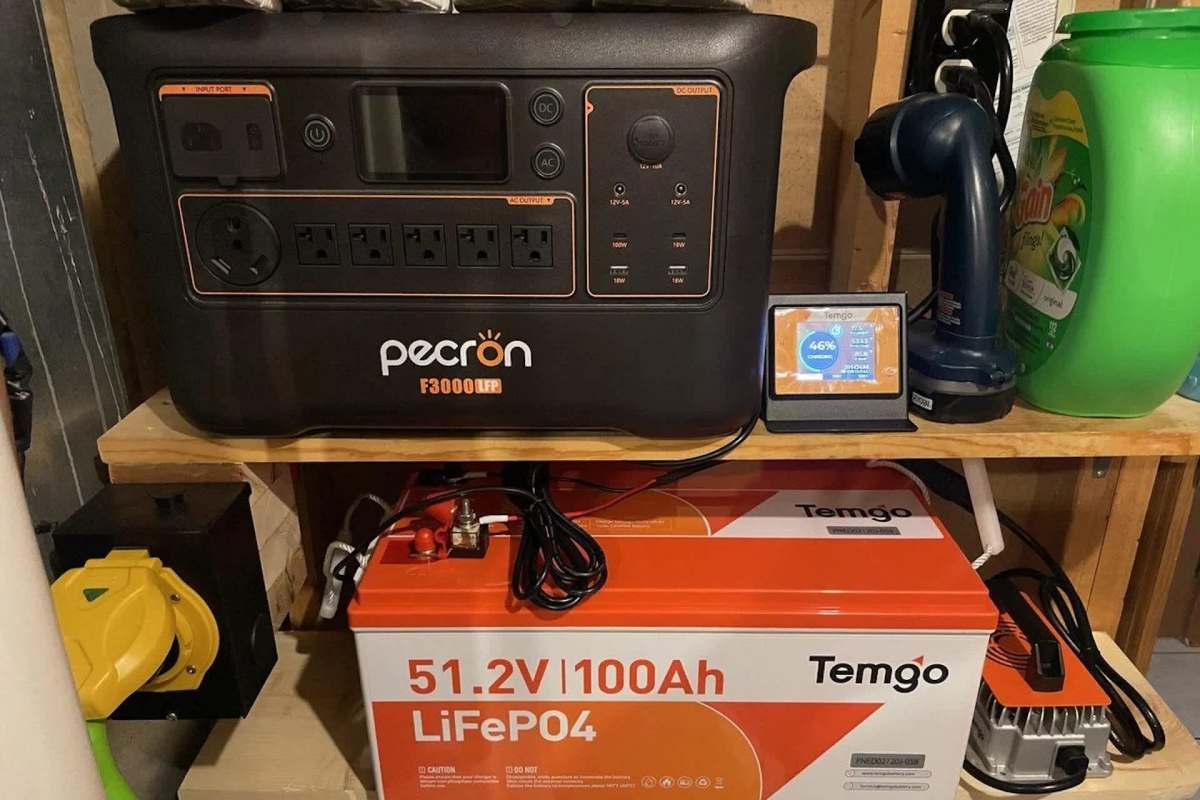
In a discussion on Reddit, the homeowner said they moved roughly 5 kilowatt-hours of battery storage to an indoor closet near the sub-panel. A four-circuit transfer switch and a 120-volt inlet tie into that setup, and when severe weather is expected, the fridge, bathrooms, primary bedroom, and main living area — router included — get switched over in advance, "like a giant UPS," or uninterruptible power supply.
The batteries are enough to keep those priority circuits going for six to eight hours, with the runtime depending on whether a window air conditioner is being used. Just as important, the setup means the house can stay functional without anyone having to dash out into a storm to get there.
Users noted that such an arrangement can make even more sense when paired with a conventional generator. "Phenomenal way to extend fuel use by keeping the power station charged up with a small fuel-efficient generator," one person wrote.
Another said, "Backup power is Plan B when the grid fails."
More background
The hardware also reflects a broader shift as blackouts, storms, and grid disruptions push households to think beyond one-size-fits-all backup power.
TCD Picks » Quince Spotlight
💡These best-sellers from Quince deliver affordable, sustainable luxury for all




Because the OP lived in hurricane territory, the battery bank served as a quieter, cleaner bridge for the stretch when going outside may be unsafe or simply draining. It also made it possible to shut down the generator overnight, cutting noise and fuel use while keeping essential circuits on.
In the comments, the case for this kind of backup went beyond comfort.
"Having to power an oxygen concentrator is another thing altogether," one user said, noting a portable power supply can provide valuable time before a generator has to be started.
Hybrid backup setups are also moving into the mainstream. Users described similar arrangements that combined batteries, transfer switches, and portable generators to balance comfort, resilience, and operating costs.
What can be done?
This approach starts with priorities. A battery backup does not need to power an entire house to make a meaningful difference. Covering refrigeration, internet, lighting, a bedroom, and a bathroom can make an outage far less disruptive.
There is also a practical fuel-use advantage to a hybrid system. Instead of leaving a generator running nonstop to serve a low load, a homeowner can bring it online to recharge batteries, then return to silent stored power overnight or during rough weather.
Even small systems can provide peace of mind by keeping communications, lights, and select devices available while the grid is down. For households in storm-prone areas, that can save time, reduce fuel use, and ease the stress that comes with outages.
As for safety, any setup that connects backup power to household circuits should use properly installed transfer equipment and comply with electrical codes. Battery storage may be quieter and easier to manage than a generator, but planning and installation are vital.
Where can I learn more?
The idea of putting certain circuits on battery power shows up in a lot of forms, from renter-friendly packs to full-home systems with built-in safeguards. There are several options available, including neighborhood battery networks, utility hardware, and grid-scale storage that can keep outages from turning into emergencies.
• For renters, a briefcase battery protects essentials when outages hit, and wiring changes are unnecessary.
• Jackery rolled out a home battery system built for backup with layered safeguards.
• Sonnen is showing how the first virtual power plant could connect home batteries.
• At Eversource, crews developed a game-changing pole to speed recovery after major storms.
• Across the U.S., huge batteries are changing how the grid rides out disruptions.
These articles make it clear that backup power goes far beyond the old all-or-nothing generator model. If you're figuring out your own storm plan, they give a practical sense of where batteries fit — at home and across the grid.

Get TCD's free newsletters for easy tips, smart advice, and a chance to earn $5,000 toward home upgrades. To see more stories like this one, change your Google preferences here.






