


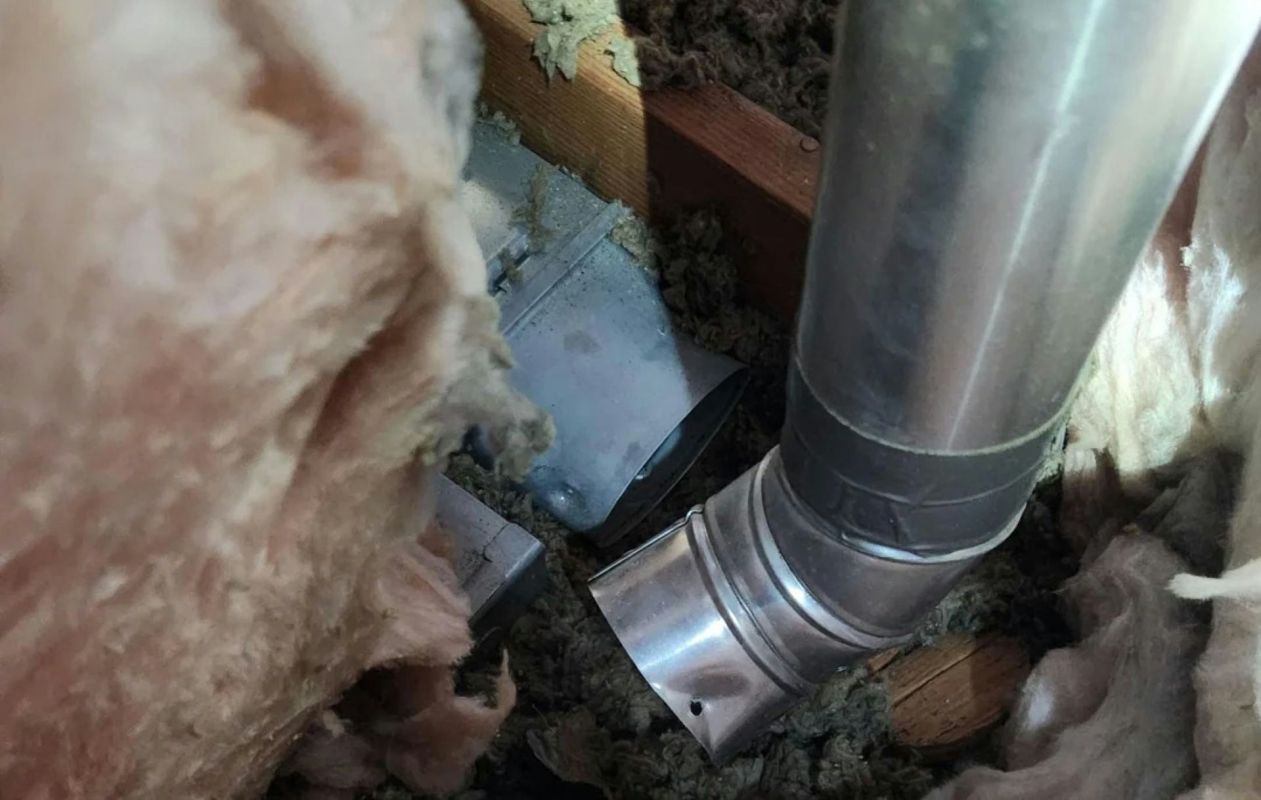
What looked like a routine attic repair turned into a bigger discovery for one new homeowner when they found the bathroom fan wasn't attached to the exhaust line.
Issues like this can remain invisible to homebuyers until after move-in and create expensive problems.
Here's what to know
In a post to Reddit's r/HVACAdvice community, the homeowner wrote, "I just bought this house, and I was aware of the top of the t duct not being connected to the roof vent but when I went up there to fix that I moved insulation out of the way and noticed that no attempt was even made to connect this fan to the duct."
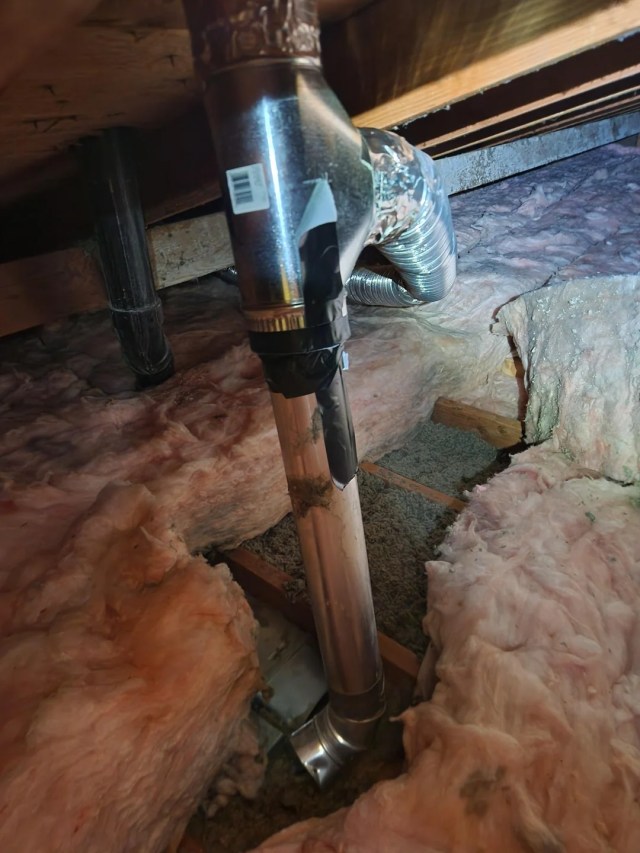
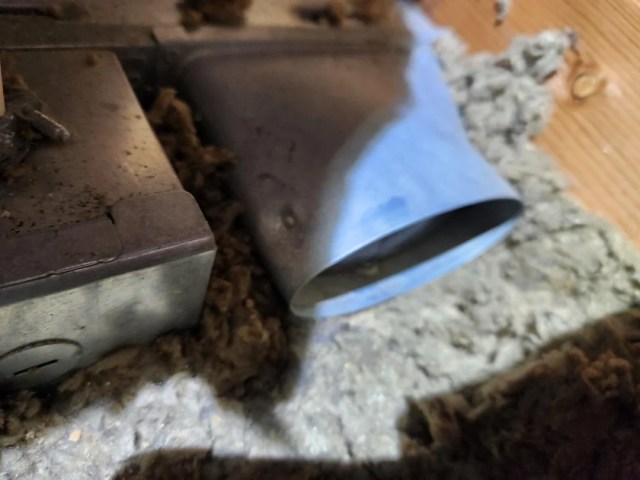
The original poster then added, "Do they make some kind of adapter to connect this oval to the round duct? The T is 4", the duct going down is smaller, but I could just remove that. The flex duct is connected to the other bathroom fan."
A bathroom fan that blows straight into an attic can send humid air into insulation and wood framing instead of outside. Over time, that moisture can contribute to mold, rot, and reduced insulation performance, all of which can drive up heating and cooling bills and lead to expensive repairs.
One commenter suggested a likely reason for what the homeowner found, writing, "Looks like they changed the fan out and neglected to reconnect it… Would try just turning the 90° to fit over the fan, otherwise the fan will just blow into your attic."
TCD Picks » Quince Spotlight
💡These best-sellers from Quince deliver affordable, sustainable luxury for all




Another user wrote, "I hate that. For oval to round duct, I use a bit of slinky as a jumper. Tape it and clamp it."
More background
At the center of the discussion was a simple compatibility question: Could the fan's oval outlet connect to the round duct? Commenters overwhelmingly said yes.
Still, ventilation problems often stay hidden until someone takes a close look in the attic or ceiling space. From inside the home, a bathroom fan may seem to work normally even when it vents into the wrong place.
A small duct fitting and a short run of flex duct are usually far cheaper than replacing damp insulation, addressing mold, or repairing moisture-damaged roof decking.
Wet or compressed insulation regulates indoor temperatures poorly, making it harder to keep conditioned air where it belongs, so a hidden venting mistake can affect both comfort and utility costs.
A simple attic inspection can uncover a fix that protects the home and prevents future waste.
Where can I learn more?
These stories explore the kinds of hidden ventilation and airflow problems that can show up around bathrooms, attics, and older homes.
• One tenant found a fake bathroom vent that raised building-code concerns.
• A noisy fan got quieter after critical cleaning tips helped restore airflow.
• A homeowner pulled a vent cover and found 30 years of dust inside.

Get TCD's free newsletters for easy tips, smart advice, and a chance to earn $5,000 toward home upgrades. To see more stories like this one, change your Google preferences here.






