


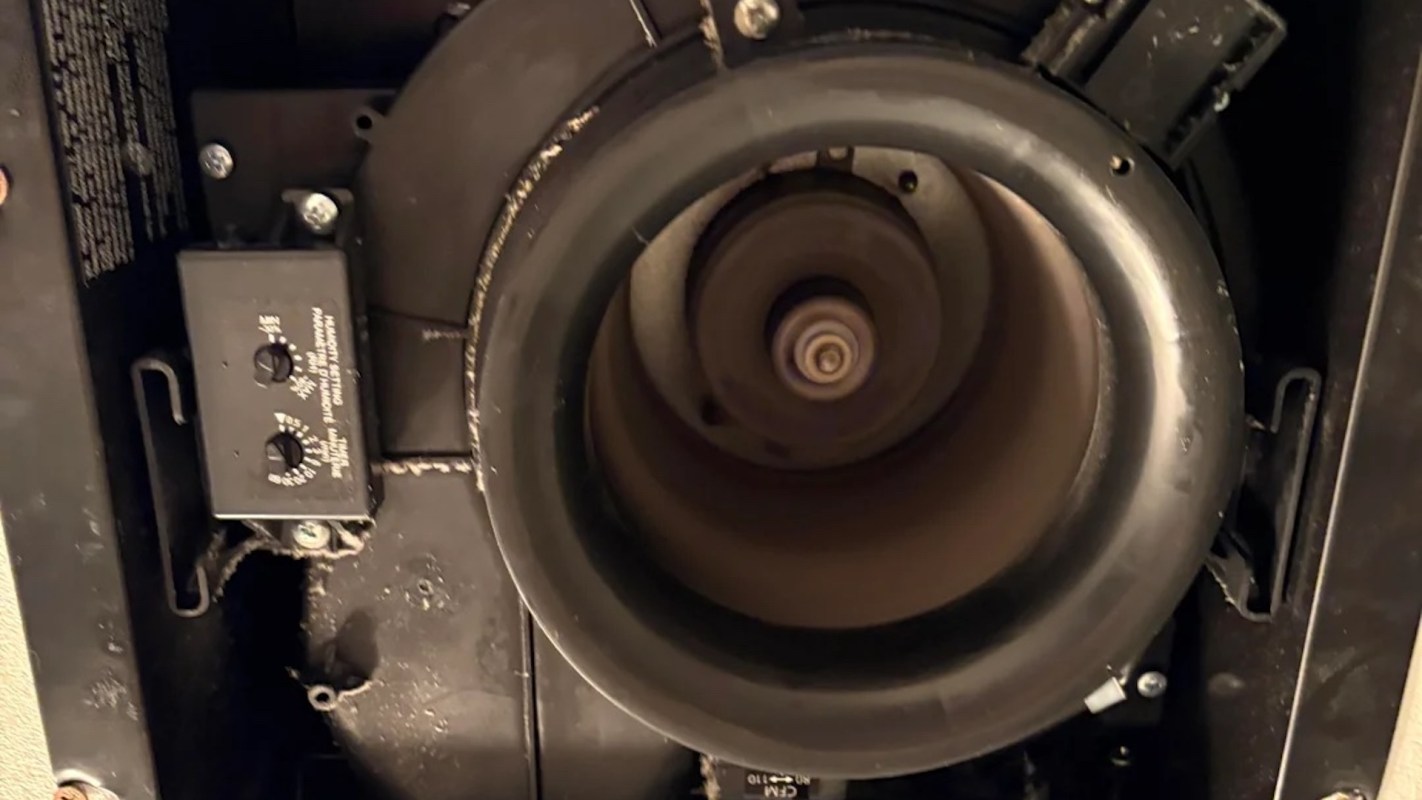
A bathroom fan that never shuts off can feel like the beginning of an expensive repair.
But one Reddit user found the fix was much simpler: The fan was doing exactly what its settings told it to do, quietly running nonstop and wasting electricity in the process.
Here's what to know
In a Reddit thread on r/FixIt, the user was focused on the small board inside the unit and wondered whether that part had gone bad, writing, "I finally opened this thing up because it has been running nonstop. … Is it possible to just replace the sensor?"
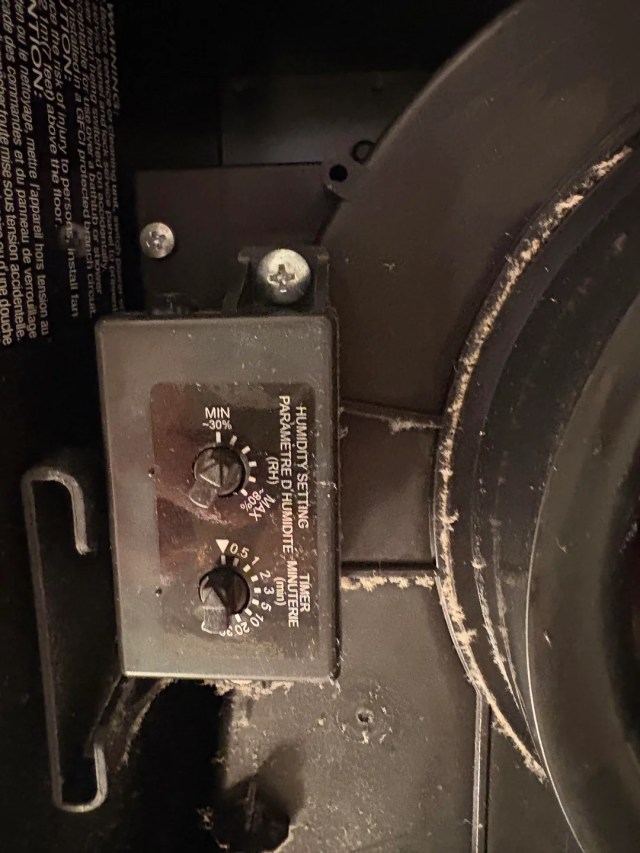
People in the comments pointed to the controls instead. One commenter explained, "There are two ways to activate that fan, humidity or motion sensing. Right now the humidity dial is set to 40%, which is the low end of comfortable."
So even with an empty bathroom, the fan would continue operating whenever the room stayed above that humidity setting. The poster later said the timer had been moved to zero only for troubleshooting, and the fan stopped once the humidity threshold was increased and the timer was adjusted.
More background
Combination bathroom fans are designed to remove moisture before it turns into mildew, odors, and mold, but a low humidity setting can make them run far more often than expected.
TCD Picks » Quince Spotlight
💡These best-sellers from Quince deliver affordable, sustainable luxury for all




The room in question was measuring roughly 65% relative humidity without anyone showering, according to the poster. One commenter warned, "65% interior RH invites mold."
A fan that runs continuously can also drive up a power bill.
What can be done?
Start by identifying which controls the fan uses. Some models rely on a humidity setpoint, some use an occupancy timer, and some have both. When the humidity target is below the room's usual moisture level, the fan may keep treating normal conditions as a reason to stay on.
A commenter recommended using the highest humidity setting as a test point. If that makes the fan stop, the setting can then be brought down little by little until the fan switches back on, then raised slightly so it reacts to shower steam rather than the bathroom's baseline humidity.
Dirt buildup is another possibility. In the thread, one commenter said dust around the humidity sensor could delay how quickly it detects changing conditions, so cleaning the cover and sensor area with a vacuum may be worth trying before replacing anything.
Another commenter noted that some units can be wired for constant running, which would mean checking how the system was connected.
Fortunately, in this case, instead of a failed component, the problem ended up being a settings tweak that cost nothing. "I just unplugged and tried it on max (80%) and 3 minute timer, and it actually stopped!" the original poster wrote. "Thanks for the help everyone."
Where can I learn more?
For more on bathroom ventilation and humidity control, these articles look at the small adjustments that can affect comfort and energy use.
• A DIYer shared tips for keeping a bathroom fan efficient and avoiding wasted power.
• One renter realized a fake bathroom ventilation fan may have been masking a code violation.
• One homeowner found an AC dry mode that cuts moisture and helps stop mold.
• A sustainability expert said an AC dry-mode hack kept summer humidity down with less strain.
• In historic buildings, engineers found natural ventilation cooling systems worked better than expected.

Get TCD's free newsletters for easy tips, smart advice, and a chance to earn $5,000 toward home upgrades. To see more stories like this one, change your Google preferences here.






