


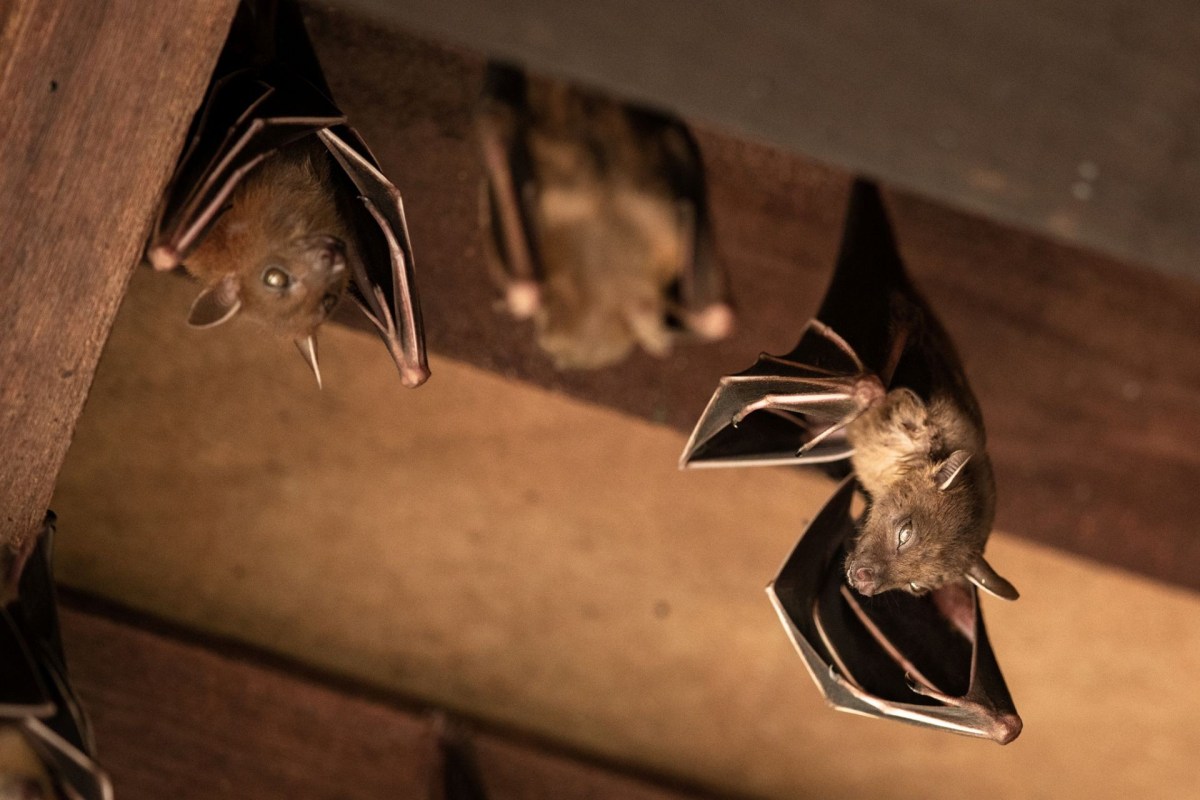
Tom Riecken and Mackenzie Powell thought they had finally found their dream home on Washington state's Whidbey Island, but after moving in, they discovered they weren't alone.
The Scoop
The couple discovered thousands of bats living in the walls and attic — an infestation that would leave them with six-figure cleanup and repair costs.
The couple had spent years saving for the purchase while living in a trailer before buying the four-bedroom home for about $850,000. According to The Washington Post and interviews with Riecken, the family's insurance claim was denied, leaving them to pay for it out of pocket.
There was one warning sign before closing. A home inspection noted evidence of "rodents." "The inspection conveyed it as a 'possible rodent issue'… so we thought it was a minor mouse or rat problem," Riecken told Moneywise, having no idea it would be a full-blown structural issue.
Because the property was purchased through an estate sale, Washington's standard seller disclosure form was not required.
Riecken said, "Even experienced home buyers might not know that."
TCD Picks » Quince Spotlight
💡These best-sellers from Quince deliver affordable, sustainable luxury for all




Inspections had documented the infestation, so their homeowners insurance denied coverage because the damage was considered pre-existing. The costs kept piling up from there. Remediation estimates climbed past $200,000 before the family found more affordable ways to handle the repairs.
Why is this important?
In Washington, bat species are protected, meaning they cannot simply be trapped or killed. Instead, homeowners must use humane exclusion methods and may have to wait until young bats are old enough to fly, which can delay cleanup and drive up costs.
The situation also reflects a broader conflict between people and wildlife. As development continues to overlap with natural habitats, animals can end up nesting inside homes that appear secure from the outside.
It's proof of the growing tension between humans and wildlife, and Riecken's experience shows just how expensive those encounters can become.
What can be done?
Riecken warned prospective home buyers to be especially careful during the inspection process. He recommends hiring an inspector independently rather than relying only on one suggested during the sale, and he said buyers should attend the inspection in person whenever possible.
He also urged people not to skim the paperwork. Buyers should go over every recommendation in the report and bring in a pest specialist if anything is unclear.
Riecken said buyers should also understand disclosure rules before making an offer, particularly in estate sales, trust sales, or foreclosures, where requirements can vary. He also advised trusting your nose, noting that strong scents in attics, basements, or outbuildings could be masking a larger problem.
The family reduced projected costs to roughly $60,000 to $70,000 through DIY work, careful contractor choices, and waiting until winter for bat exclusion.
Still, Riecken said buyers need to be proactive from the beginning, saying, "Take a highlighter and identify every single recommendation in that document."

Get TCD's free newsletters for easy tips, smart advice, and a chance to earn $5,000 toward home upgrades. To see more stories like this one, change your Google preferences here.






