


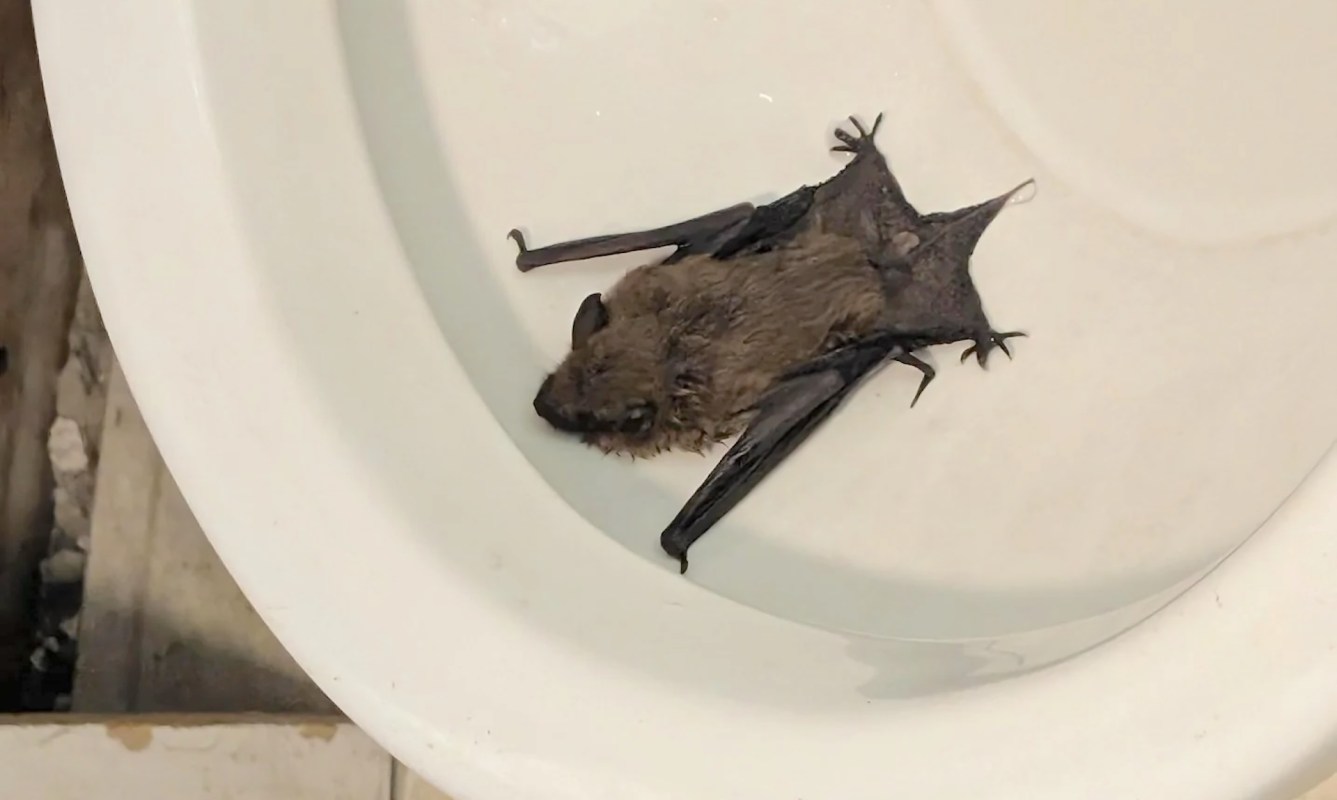
A toilet is not where most people expect to encounter a bat, but that was the situation one person in Ontario described while trying to figure out how to help a tiny intruder.
After placing the bat in a cardboard box with air holes and making sure neither they nor a friend handled it directly, the original poster turned to r/bats for answers.
Here's what to know
The poster said the animal appeared scared and vocal after it was located in the bathroom.
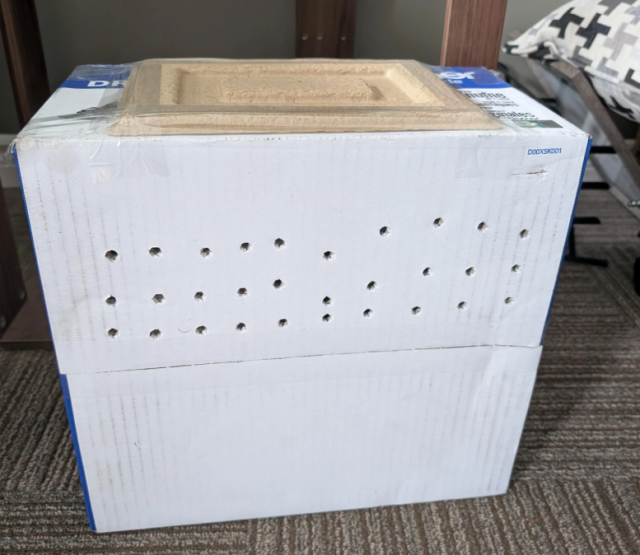
"It is now safely secured in a cardboard box with airholes poked into it," the worried user wrote, adding that no direct contact with the bat had occurred.
Advice from the r/bats community centered on three important approaches: seeking out a bat rehabber, keeping their hands off the animal, and, if no rehabber could be found, the possibility of carefully releasing it outside.
Commenters highlighted safety and timing.
TCD Picks » Quince Spotlight
💡These best-sellers from Quince deliver affordable, sustainable luxury for all




"If there truly is no one within a reasonable distance (keep in mind, you may have to drive a bit as some places do not have many options) then yes the next best thing would be to release it just after dusk," a fellow user conceded.
The r/bats community had some automated bot reminders set up to appear in the comments as well, including, "Remember that wildlife should never be handled with bare hands!" Readers were also directed to rabies information by a second automated moderator message.
"See a doctor if you have a medical question, or believe you have been bitten or scratched by a bat."
What happened next
The OP wrote an update in the comments to say the bat's condition improved while it was in the box as they sought a wildlife agency to help.
"Update: We spent quite a while calling different wild animal rehabilitation centers around the area (1-3 hours away)," they wrote. "Unfortunately, of those we were able to get through to, none were able to take the bat.
"However, there is some happy news. After checking on the bat (without directly touching the animal, only moving parts of the box) we were able to get a better look at its condition. The bat had fully dried off and seemed fairly lively. As suggested by some comments, when it got dark, we placed the box on a high up structure and waited. The bat eagerly crawled out and immediately began to fly with what appeared to be no issues and followed a couple other bats (they are very common to see outside here) over into the trees."
What can be done in this situation?
Gaps around roofs, attics, eaves, vents, and even near plumbing can allow bats to enter houses, where they may become lost or unable to get back out easily.
As a BBC Future report on human-wildlife conflict noted, contact between humans and wild animals is frequently shaped by expanding development, habitat disruption, and human-made environments that alter their normal movement and behavior.
For a bat inside a house, that kind of setting can quickly become dangerous and disorienting. In a slick or wet area with limited escape options, the animal may face exhaustion, dehydration, or injury.
Although bats are valuable to ecosystems because they help control insect populations, many bat populations are also being strained by disease, habitat loss, and human disturbance.
The most important safety rule when a bat is found indoors is simple: do not touch it directly.
When the animal can be secured without directly handling it — for example, in a box with air holes — commenters said the best approach was to contact a bat rescue or rehabber and ask for instructions.
People responding to the post also stressed that the bat should be disturbed as little as possible while help is being sought. Leaving it alone can make the situation less stressful for the bat and reduce the risk of bites or scratches.
If no professional help is available and the bat does not seem injured, commenters acknowledged that an outdoor release near dusk may be an option, as the OP followed in this case, with the suggestion followed to place the open box in an elevated spot near a tree or shrub, keep it away from pets, and allow the bat to leave when ready.
The moderator's guidance also noted that sealing up entry points or doing exclusion work should be delayed until pup season has passed, with exact timing depending on the area. Once the bat situation is over, inspecting the house for possible access points may help prevent another indoor encounter.
In the meantime, the poster's focus was on two immediate priorities: protecting the bat and finding professional guidance.
"Again, do not give or offer food or water, just open the box and wish our little friend well!" a commenter recommended.
Where can I learn more?
A bat inside the house can raise urgent questions about safety, rescue, and next steps. These articles cover topics like a Washington home exposure that led to rabies treatment and research on how bat behavior and population pressures affect people and ecosystems.
• In Snohomish County, a rabid bat flew into a home and sent three residents for treatment.
• In lab tests, changes in bat diets strongly influenced the risk of disease spillover.
• Farm regions are already feeling the agricultural impact of dwindling bat populations.

Get TCD's free newsletters for easy tips, smart advice, and a chance to earn $5,000 toward home upgrades. To see more stories like this one, change your Google preferences here.






