


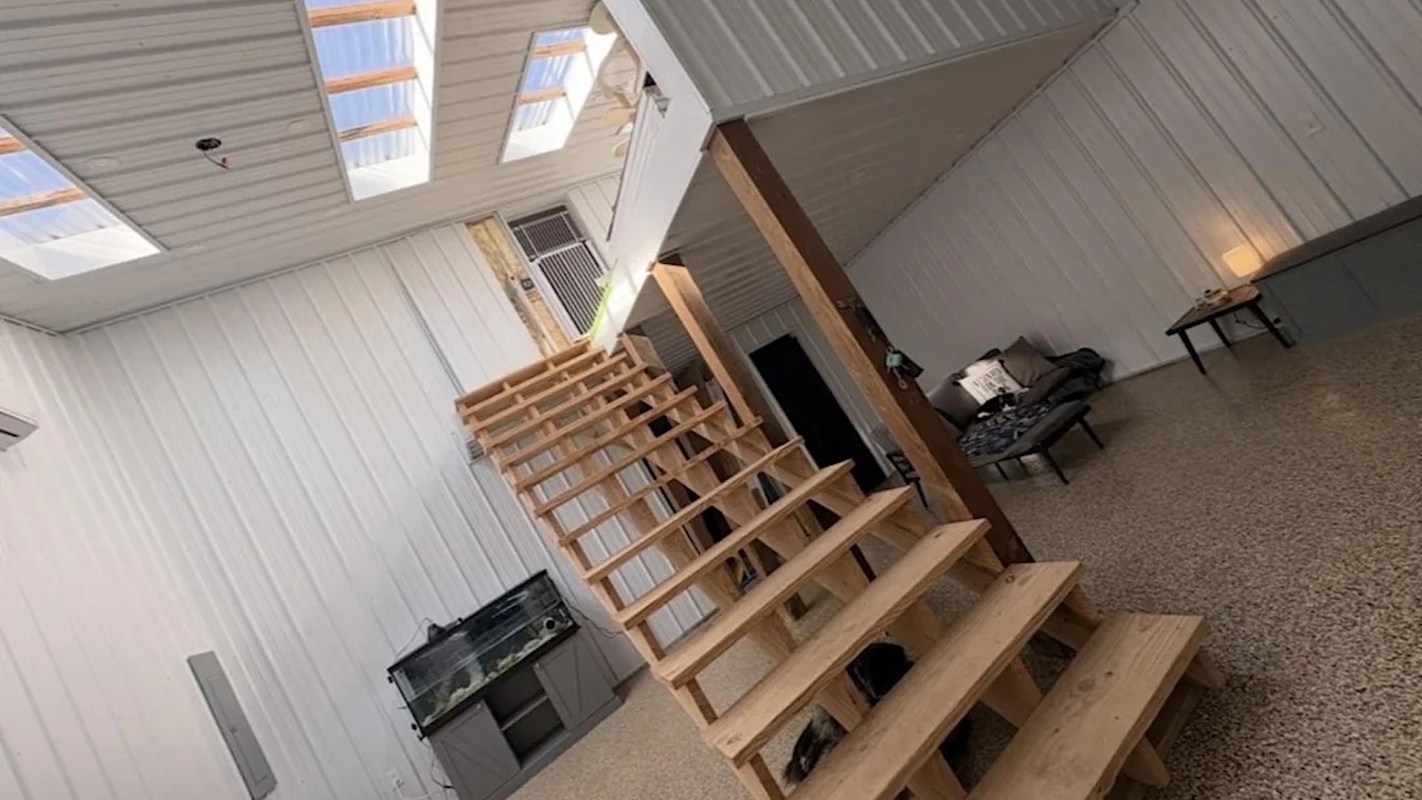
A stubborn cooling problem in one Kentucky barndominium shows that an AC system is not always the only thing to blame when there's a temperature control issue.
Here's what to know
The issue surfaced in a post to Reddit's r/HVACAdvice community when the barndominium owner said that their roughly 800-square-foot home with two 12,000-BTU Senville mini-splits was still running far too warm.
According to this original poster, while it was 95 degrees outside, the upstairs sat near 85 degrees and the downstairs at around 80.
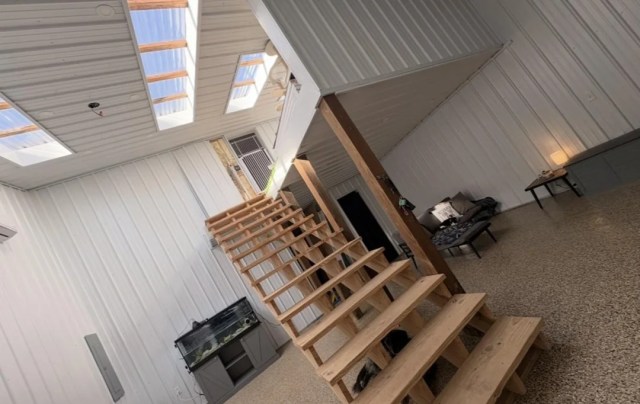
The OP said the units had already been serviced and that the refrigerant was reportedly fine, although one unit "is not blowing air in the center." OP also wrote that "The skylights act as a greenhouse, they aren't glass, they are a plastic panels of sorts."
Most replies zeroed in on those skylights as the main reason the house would not cool off. One commenter wrote, "The main problem is probably that you're greenhousing yourself," and another agreed, adding, "Yeah, OP needs to build a simple sunshade that can be moved into place during the summer… The shade will make an enormous difference."
A third commenter with the same idea simply said, "You're trying to cool a greenhouse..." Another wrote, "You have magnifying glasses on your roof."
Other users just focused on solutions, with the top comment suggesting "Have you considered tinting the windows?"
Situations like this often come down to sunlight entering the home faster than the cooling system can remove the heat. Transparent or poorly insulated roof panels can send indoor temperatures climbing after hours of direct sun. And OP later confirmed that the building wasn't designed especially well, saying "this is not up to code at all."
Save $10,000 on solar panels without even sharing your phone number Want to go solar but not sure who to trust? EnergySage has your back with free and transparent quotes from fully vetted providers in your area. To get started, just answer a few questions about your home — no phone number required. Within a day or two, EnergySage will email you the best options for your needs, and their expert advisers can help you compare quotes and pick a winner. Solar panels can save you more than $50k over their 25-year lifespan, and EnergySage can help you save as much as $10k on installation. Which begs the question — isn't that worth an email or two? |

So even in situations where an owner has equipment that looks properly sized, it may struggle in practice. If too much heat is getting through the building shell, the AC can run longer and harder without delivering the comfort homeowners expect.
This story shows how BTU ratings are only part of the equation. Insulation, shading, air sealing, window performance, and airflow will also shape how well cooling equipment works.
What can be done?
Rather than jumping straight to more HVAC capacity, commenters suggested cutting down the sun coming through the skylights. Ideas included tinting them, adding sliding blinds, using blackout curtains, or building a removable exterior shade for summer. Several people also urged the owner to try a quick experiment before making bigger changes.
If the barndominium cools off after the test, it could point to the building shell as the main issue rather than the mini-splits alone.
Still, upgrading your heating and cooling system is one of the best ways to save money on utility costs and protect yourself against rising energy prices.
Palmetto can help homeowners understand their HVAC options and slash their energy bills with new, efficient HVACs and heat pumps. Plus, through Palmetto's Comfort Plan network, you can find efficient heating and cooling solutions for your home and connect you with vetted installers.
The Comfort Plan also includes $0-down options that can lower your heating and cooling costs by up to 50%, plus 12 years of free maintenance.
Where can I learn more?
These articles cover mini-splits, shading strategies, and simple ways to keep homes cooler for less.
• Across the US, mini-split HVACs are transforming homes with lower bills and better comfort.
• In the U.K., shaded homes stay 6 degrees cooler during intense heat waves.
• One homeowner found frugal cooling tricks could save hundreds during brutal summer heat.

Get TCD's free newsletters for easy tips, smart advice, and a chance to earn $5,000 toward home upgrades. To see more stories like this one, change your Google preferences here.






