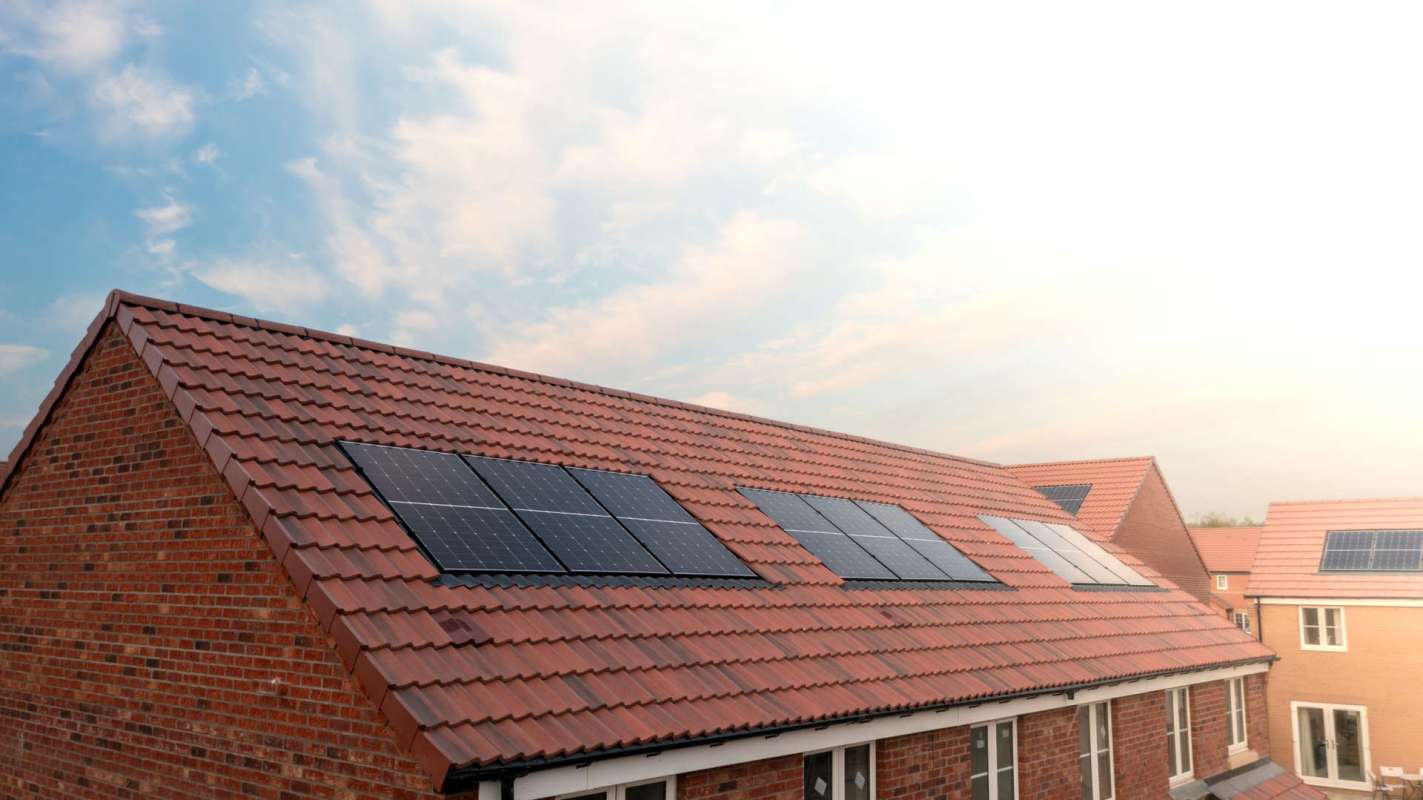
A United Kingdom resident who converted a barn into their new home is unsure whether to move ahead with solar after receiving a proposal for just 12 panels on a roof they believe could hold about 35. The tougher part of the decision is that the property's long-term electricity needs are still unknown.
Future heating changes, electric vehicle charging, and possible upgrades to other parts of the property could all raise demand.
Here's what to know
In a post on Reddit with a satellite map view of the property, the owner of a 3,767-square-foot barn conversion said they are trying to decide whether to install solar, wait until they have better real-world energy data, or install an air-source heat pump first. The house is currently heated with oil, has an EPC rating of C, and includes south-facing barn roof space the owner described as "prime solar estate."
Their uncertainty stems from changes that are not yet reflected in current bills. "We're likely going to get an air source heat pump but we don't know how much electricity this will use (probably going to need 16kw pump)," they said, adding, "We don't yet have our EV charger installed but we have 2 EVs," and power use may rise again if additional barns become spaces such as a gym or games room.
One reply suggested starting by deciding what matters most — lower bills, a lower carbon footprint, or a smaller upfront spend. The original poster replied, "Just looking to reduce our bills as much as possible, and/or offset with any exporting gains, whilst living in a cosy home in the winter!"
Going solar is one of the best ways to save money on home energy, especially when a property has substantial roof space. Homeowners comparing proposals can explore EnergySage to get free solar installation estimates and compare quotes.
Another commenter recommended handling the project in stages: sort out home heating first, then build a solar-and-battery setup that can scale if needed. "It feels a lot of pressure to think we have to get it right first time based on a lot of future scenarios we're not yet sure about, but knowing if we do it right we can add to it, is reassuring," the OP responded.
More background
Solar planning gets much harder when several of the biggest future loads are still only expected, not measured. In this case, the homeowner is trying to anticipate the impact of a possible heat pump, two EVs, and future barn conversions before even logging a full year of consumption in the house.
Save $10,000 on solar panels without even sharing your phone number Want to go solar but not sure who to trust? EnergySage has your back with free and transparent quotes from fully vetted providers that can help you save as much as $10k on installation. To get started, just answer a few questions about your home — no phone number required. Within a day or two, EnergySage will email you the best local options for your needs, and their expert advisers can help you compare quotes and pick a winner. |

Some commenters said that waiting for perfect numbers can backfire. One emphasized that winter solar output will remain limited even with a sizable array, while another argued that if a roof is already being worked on, it can make sense to add more panels because labor, scaffolding, and related installation costs often outweigh the price of the panels themselves.
Insulation and heat-loss work also came up repeatedly. For a home this large, commenters said reducing demand through better insulation can be just as important as deciding on the eventual panel count.
What can be done?
Overall, the advice in the thread pointed to collecting multiple quotes, getting a proper heat-loss survey, and choosing a solar-and-battery system that can be expanded later if needed.
EnergySage's free tools can also help take some of the cost guesswork out of the process. With EnergySage's help, the average person can save up to $10,000 on solar purchases and installations. Tools such as EnergySage's solar map show the average cost of a home solar panel system on a state-by-state level, along with details on solar panel incentives for each state.
More From EnergySage
💡Go deep on the latest news and trends shaping the residential solar landscape

Adding battery storage to a solar setup is also one of the best ways to protect your home during outages, save on energy costs, and go off-grid. Homeowners who want to compare options can explore EnergySage for information about home battery storage, including competitive installation estimates.
One commenter offered, "don't let perfect be the enemy of good."
Where can I learn more?
This homeowner's situation gets at several solar questions that come up again and again, from whether to install now or wait to how to compare quotes and which incentives still matter. These articles also dig into how pricing, used equipment, and community programs can change the overall payoff.
• EnergySage COO Charlie Hadlow broke down factors that drive pricing when homeowners compare solar bids.
• Home energy experts said you can still cash in on rooftop solar incentives.
• On Facebook Marketplace, shoppers found used panels are 1,000% the way to cut solar costs.
For someone weighing a modest initial proposal against larger future electricity needs, these stories offer a clearer sense of where savings may be available. They also highlight when waiting a bit longer could still make sense.

Get TCD's free newsletters for easy tips, smart advice, and a chance to earn $5,000 toward home upgrades. To see more stories like this one, change your Google preferences here.