


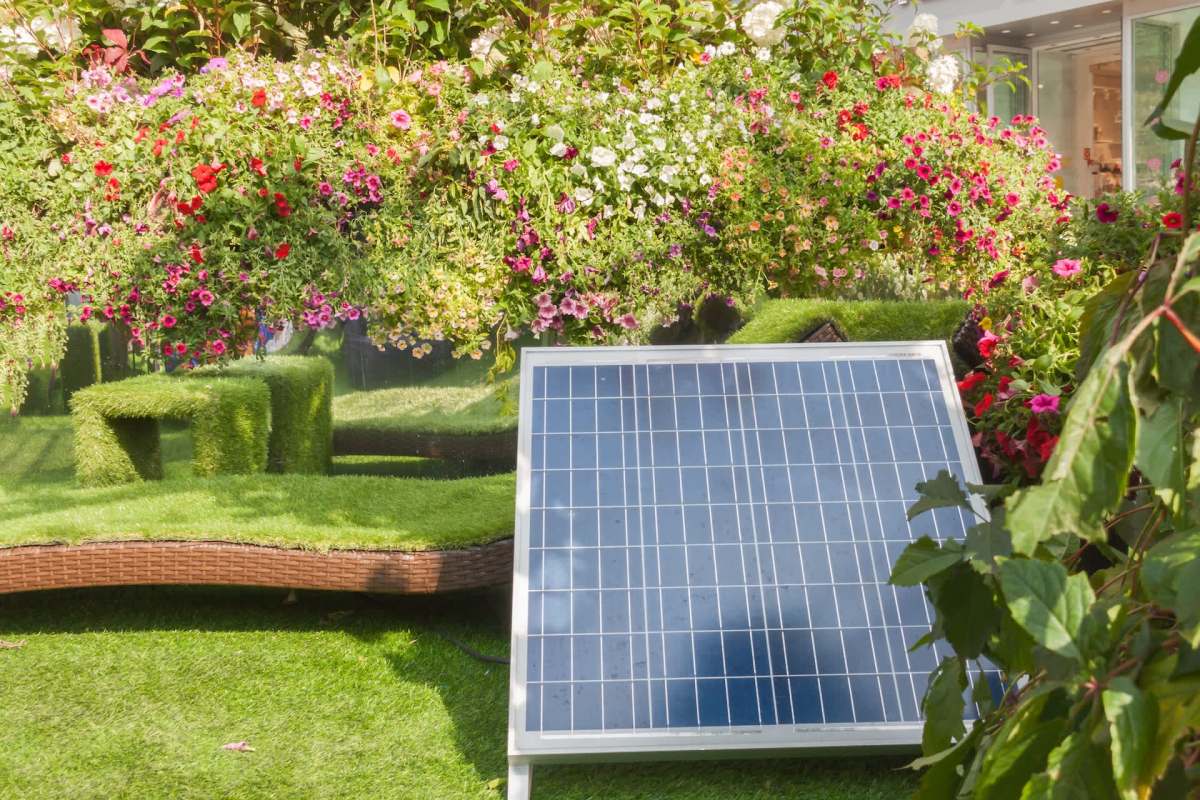
Because they rent, a Texas Reddit user with "plenty of sun" and backyard room was looking for a small-scale way to try solar without putting anything on the roof or cluttering an indoor room with extra hardware.
People responding in the solar-focused discussion pushed them to pair solar panels with a self-contained portable power station instead of building separate indoor components.
Here's what to know
On a Reddit thread in r/SolarDIY, the poster said they were "extremely interested in starting some small solar projects" and wanted to use backyard panels with "a battery/inverter set up" while renting.
They were trying to avoid a messy indoor setup. "Is there a way to set this sort of thing up without having multiple wires/batteries cluttering up the inside of a room I want to power something in?" the original poster asked.
One of the clearest responses was: "Get a power station and solar panels. The station combines the battery, controller, and inverter all in one. Much easier solution when renting." That same reply also noted that many portable power stations can function as UPS devices and are a "much easier solution when renting."
Adding solar to your home is one of the best ways to save money on energy bills. For homeowners who want to compare pricing and savings from vetted installers in their area, EasyHome's free explorer tool is an excellent place to start.
More background
The question was not about a permanent rooftop system. The renter asked about a portable backyard setup that could be tested and used without making lasting changes to the home.
Another commenter focused on how that setup stays tidier indoors: "With a portable power station you have one box, one cable coming inside from the solar panels." They also said a renter could "charge it outside then carry it inside to power stuff at night."
Crushed by your bills? See instant solar savings from vetted installers in just a few clicks With energy prices through the roof, there's never been a better time to go solar — and EasyHome can help you find the best prices from the best installers in your area. EasyHome takes the guesswork and headaches out of energy upgrades by showing you estimated savings from a network of vetted local partners. To get started, just enter your ZIP and share a few details about your home — seeing your estimate is really that easy. |

As a cheaper way in, that commenter mentioned a unit for $149. According to the comment, it can take 100 watts of solar input, store 288 watt-hours, charge in about "3-4 hours," and run appliances up to 600 watts.
They also pointed to a bigger option for $999, saying it offers 2,400 watts of solar input, 3,072 watt-hours of storage, expandability to "near 20kWh," and 3,600 watts of appliance output.
Another commenter said their solar setup began with "a Oupes Mega 1 and a 200 watt portable folding panel."
What can be done?
Taken together, the replies favored an all-in-one power station over assembling separate batteries, controllers, and inverters. For a renter, that means a more portable project, fewer loose parts, and fewer wires crossing the living space.
Commenters also outlined a few ways to make everyday use more manageable. One joked, "Of course you can. Put the hodge-podge in a different room!" Another described a neater approach: leave the panels outside and bring in a single cable, or charge the station outdoors and carry it inside later.
For homeowners or renters who want to go beyond a starter project, EasyHome's free explorer tool adds value by letting them compare solar quotes and installer options in one place. It can also help you explore backup battery storage options, and pairing solar with a battery lets homeowners maximize savings and keep the power on when the grid goes down.

Get TCD's free newsletters for easy tips, smart advice, and a chance to earn $5,000 toward home upgrades. To see more stories like this one, change your Google preferences here.






