


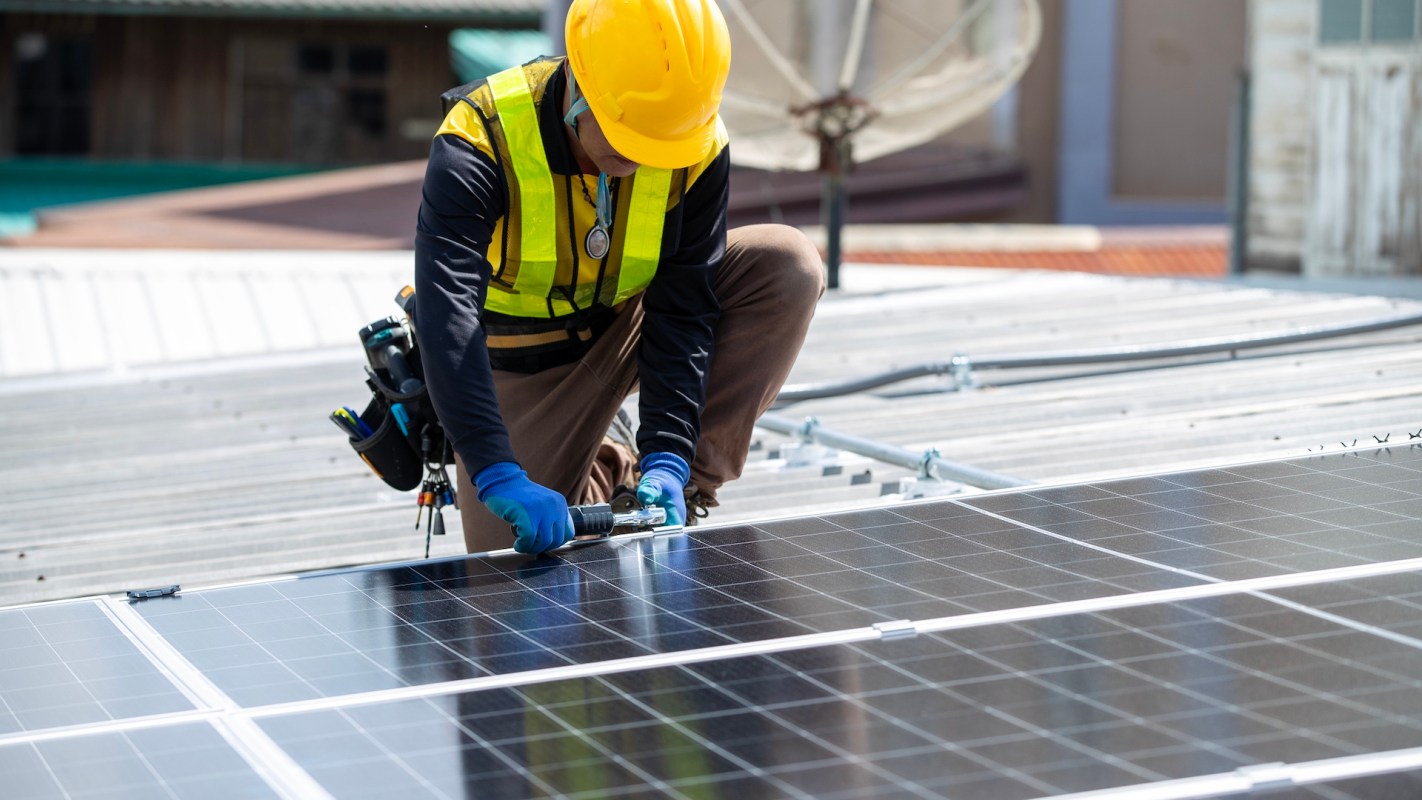
An Australian solar installer must pay $10,000 in fines after submitting false claims that he was on-site for follow-up inspections of his Melbourne jobs. He was in another state at the time.
Here's what to know
Australia's Clean Energy Regulator determined that a Victorian solar installer was in another state during Melbourne installations he claimed to have attended. In court, the installer admitted to deliberately submitting false statutory declarations, according to SolarQuotes.
Solar Accreditation Australia also suspended the installer's accreditation alongside his conviction.
In the regulator's view, signing off on work without attending undermines supervision safeguards intended to ensure installations meet required standards. Accredited installers must be present for job setup, an installation-progress check, and testing and commissioning.
Going solar is one of the best ways to save money on home energy, and solar leases can deliver hundreds of dollars in monthly savings without upfront costs. Homeowners can use EasyHome's free explorer tool to see their potential savings from vetted installers in their area.
More background
An investigation into 24 installations found missing electrical safety certificates, false or misleading installer statements, and attendance failures. The regulator's quarterly compliance update detailed a three-year exclusion for the accredited installer involved.
The findings do not show that the installations were inherently unsafe. Attendance and paperwork violations are not evidence of defective electrical work. The violations detailed above were more about installer integrity than defective workmanship.
Clean Energy Regulator Chair Tony Chappel said the agency still did not consider fraud systemic, despite continued rule-breaking by some participants, according to SolarQuotes.
Crushed by your bills? See instant solar savings from vetted installers in just a few clicks With energy prices through the roof, there's never been a better time to go solar — and EasyHome can help you find the best prices from the best installers in your area. EasyHome takes the guesswork and headaches out of energy upgrades by showing you estimated savings from a network of vetted local partners. To get started, just enter your ZIP and share a few details about your home — seeing your estimate is really that easy. |

What can be done?
Solar Accreditation Australia's register allows homeowners to verify an installer's accreditation. Homeowners can ask their retailer which accredited installer will do the work before it begins.
Accreditation is held by individual installers, not by the installation companies, so checking the business name alone is not enough.
For an installer supervising rather than performing the work, required on-site attendance covers setup, a midpoint installation check, and testing and commissioning. Homeowners can confirm the responsible installer's presence on installation day.
EasyHome can also help homeowners explore their options for backup battery storage alongside solar. Pairing solar with a battery allows homeowners to maximize savings and power their home with solar when the grid goes down.
Homeowners shouldn't have to police the industry they fund and invest their hard-earned money in. Australia's Clean Energy Regulator is making the verification process easier, improving integrity, and allowing homeowners to check installers one by one.
Where can I learn more?
These stories describe more solar installation problems, from disappointing savings to installer bankruptcies, missing paperwork, and trouble getting support.
• In Texas, a homeowner says solar saved just $32 while payments reached $417.
• Florida seniors call rooftop solar their biggest financial mistake after their installers went bankrupt.
• A Virginia homeowner paid $129,000 for solar but says power bills reached $400.
• A Missouri homeowner learned the installer never submitted final paperwork after calling the utility.
• A UK buyer chose a pricier solar installation for support, but says the installer stopped responding.

Get TCD's free newsletters for easy tips, smart advice, and a chance to earn $5,000 toward home upgrades. To see more stories like this one, change your Google preferences here.
Cool Picks






