


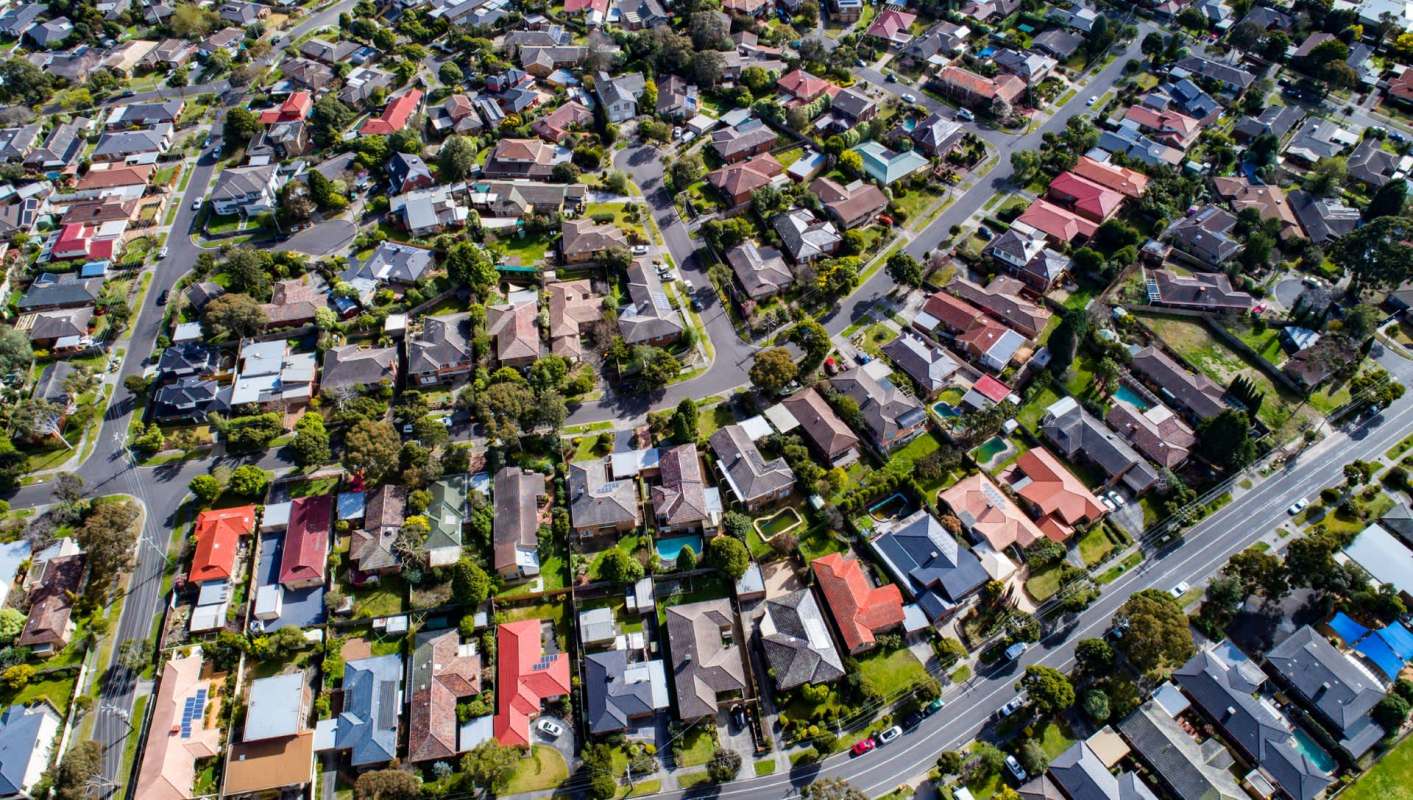
Australian governments are facing fresh scrutiny over whether their housing policies are helping residents live in comfortable, affordable homes or locking them into expensive, inefficient ones instead.
A new national scorecard says weak policy settings are still consigning many households to homes that use too much energy and cost too much to keep comfortable, and the results are notably worse in some states and territories.
Here's what to know
Published by the Energy Efficiency Council, the State Energy Performance Policy Scorecard measures how well governments are improving household access to energy upgrades and homes with stronger thermal performance. RenewEconomy reported that the findings suggest many families are still being left to shoulder the ongoing costs of poorly performing homes.
The report found that the clean-energy shift has been uneven. Rooftop solar and home batteries have benefited from subsidies and wider uptake, but electrification and energy efficiency have moved more slowly despite their clear savings, comfort gains, and climate benefits.
That means a household may gain access to lower-cost technology while still living in a drafty, heat-trapping home that wastes energy.
More background
The findings come as politicians debate whether new homes should have to meet minimum energy standards at all. Federal opposition housing and environment spokesperson Andrew Bragg said national energy standards should be an "optional extra," arguing that enforcement costs were deepening inequality.
TCD Picks » Quince Spotlight
💡These best-sellers from Quince deliver affordable, sustainable luxury for all




On ABC radio, federal Coalition treasury spokesperson Tim Wilson echoed that case, saying people looking for cheaper housing would need to skip spending "huge amounts of money" on basic energy standards and could "put a jumper on" instead.
This approach shifts the burden onto residents. Any upfront saving from building a thermally inefficient home can leave occupants paying more in utility bills and living with less comfort for years, a problem that is particularly serious in hotter climates where poor insulation and weak standards can make homes harder — and more expensive — to keep safe.
What's being done?
The report assessed states and territories on the policies they use to help households access energy upgrades and move into thermally efficient housing that is more comfortable and affordable to live in.
For policymakers, the lesson is even more straightforward: Strong standards at the beginning can prevent years of higher bills and discomfort later. Energy Efficiency Council chief Luke Menzel said minimum energy standards are "not some extraneous bauble" but rather "make sure homes are built properly in the first place so they are safe, comfortable, and affordable to run."
Menzel said, "Australians deserve to live in decent housing, not leaky shacks with paper thin walls."
Where can I learn more?
These stories show how better home performance and energy policy can affect household bills and day-to-day comfort. They cover Australian upgrade strategies, changes in the power mix, insulation-focused research, and large-scale programs and building designs aimed at warmer, cheaper-to-run homes.
• In Australia, fixing drafts and ditching gas can cut household energy costs by about $4,000 a year.
• Across Australia's main grid, renewable energy supplied a record 46% of electricity, reshaping household power costs.
• Across 18 countries, insulation and thermostat tweaks did more for quality of life than EVs.
• In the U.K., officials are preparing over $17B in home upgrades to lower bills and keep homes warm.

Get TCD's free newsletters for easy tips, smart advice, and a chance to earn $5,000 toward home upgrades. To see more stories like this one, change your Google preferences here.






