


An Australian homeowner is keeping his electricity bill to about 44 Australian dollars a month ($31) without a home battery, relying instead on rooftop solar, carefully timed appliance use, and improvements to his suburban house.
Here's what to know
Mitch, the content creator behind Urban Resilience (@TowardsUrbanResilience), shared his approach in a YouTube video, explaining how a 6.6-kilowatt solar array helps keep his household costs down.
The system cost about 6,000 Australian dollars ($4,2056) to install, with an estimated five-year payback period based on his savings.
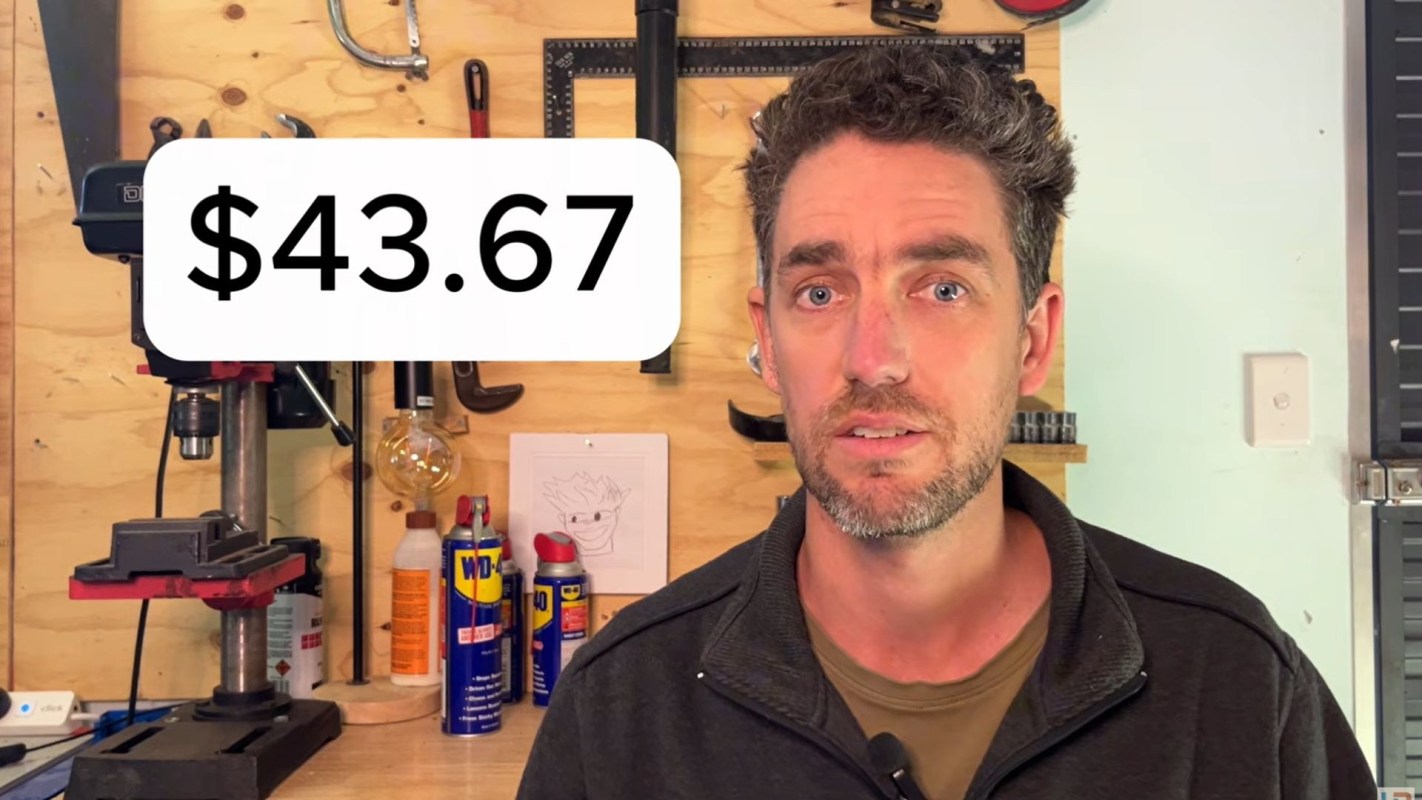
The household has no gas connection, and the electricity supply charge alone accounts for about 30 Australian dollars ($21) a month. His average monthly bill of 43.67 Australian dollars excludes three months when the solar system had to be turned off for renovations.
Cloudy stretches make his water heating more expensive. To make the most of the solar panels, Mitch does laundry during sunny hours and schedules his 1-kilowatt heat-pump water heater to run during the day and switch off around 4 p.m.
As Mitch's video shows, going solar is one of the best ways to save money on home energy, and solar leases in particular can deliver hundreds of dollars in monthly savings without upfront costs. Homeowners can use EasyHome's free explorer tool to see potential savings from vetted installers in their area.
More background
Mitch credits an insulation upgrade with making the house more comfortable in summer and winter. The 45-year-old property had deteriorating insulation, with some areas missing coverage entirely. Replacing it cost about 2,500 Australian dollars ($1,750), plus approximately 1,000 Australian dollars ($700) for installation.
He found a double-glazed window on Facebook Marketplace for 600 Australian dollars ($420) and installed it himself. He estimated that the window would otherwise have cost 3,000 to 4,000 Australian dollars ($2,100-2,800). An exterior blind on a west-facing wall also helps keep out afternoon heat.
Crushed by your bills? See instant solar savings from vetted installers in just a few clicks With energy prices through the roof, there's never been a better time to go solar — and EasyHome can help you find the best prices from the best installers in your area. EasyHome takes the guesswork and headaches out of energy upgrades by showing you estimated savings from a network of vetted local partners. To get started, just enter your ZIP and share a few details about your home — seeing your estimate is really that easy. |

But one of his purchases drew criticism. It was a roughly 4,000 Australian dollar wood heater used for winter heating and some cooking.
"Don't put in fireplaces!!!" one commenter wrote, raising concerns about neighborhood smoke and its health effects. The commenter suggested reverse-cycle split-system heating instead.
What can be done?
Watching consumption change as appliances switch on gives Mitch a view of their electricity use through his solar-monitoring app. He recommends checking hourly or half-hourly readings in electricity-retailer apps to work out when water heaters, ovens, and air conditioners draw power.
For laundry, his family uses a clothesline built with recycled timber for 150 Australian dollars ($105), with room for two loads. They do not own a dryer.
"The best way to make use of your solar panels is to run your energy-intensive appliances during the day when the solar is producing," Mitch concluded.
Homeowners exploring solar can also use EasyHome to curate competitive bids from local installers.
Beyond comparing solar options, EasyHome can help homeowners explore backup battery storage options. Pairing solar with a battery allows homeowners to maximize savings and power their home with solar when the grid goes down. For Mitch, buying a battery has taken a back seat to changing habits and cutting consumption.
Where can I learn more?
For homeowners like Mitch, solar savings depend on household habits, installation costs, and electricity rates.
• A family in the Philippines cut power bills 90% with solar and cooking at midday.
• A homeowner's solar and mini-split erased a $100 electricity bill while still exporting power.
• An Australian homeowner received a $19,800 solar quote and questioned its projected five-year payback.
• A solar homeowner's bill barely changed after export rates dropped, prompting owners to suggest batteries.

Get TCD's free newsletters for easy tips, smart advice, and a chance to earn $5,000 toward home upgrades. To see more stories like this one, change your Google preferences here.






