


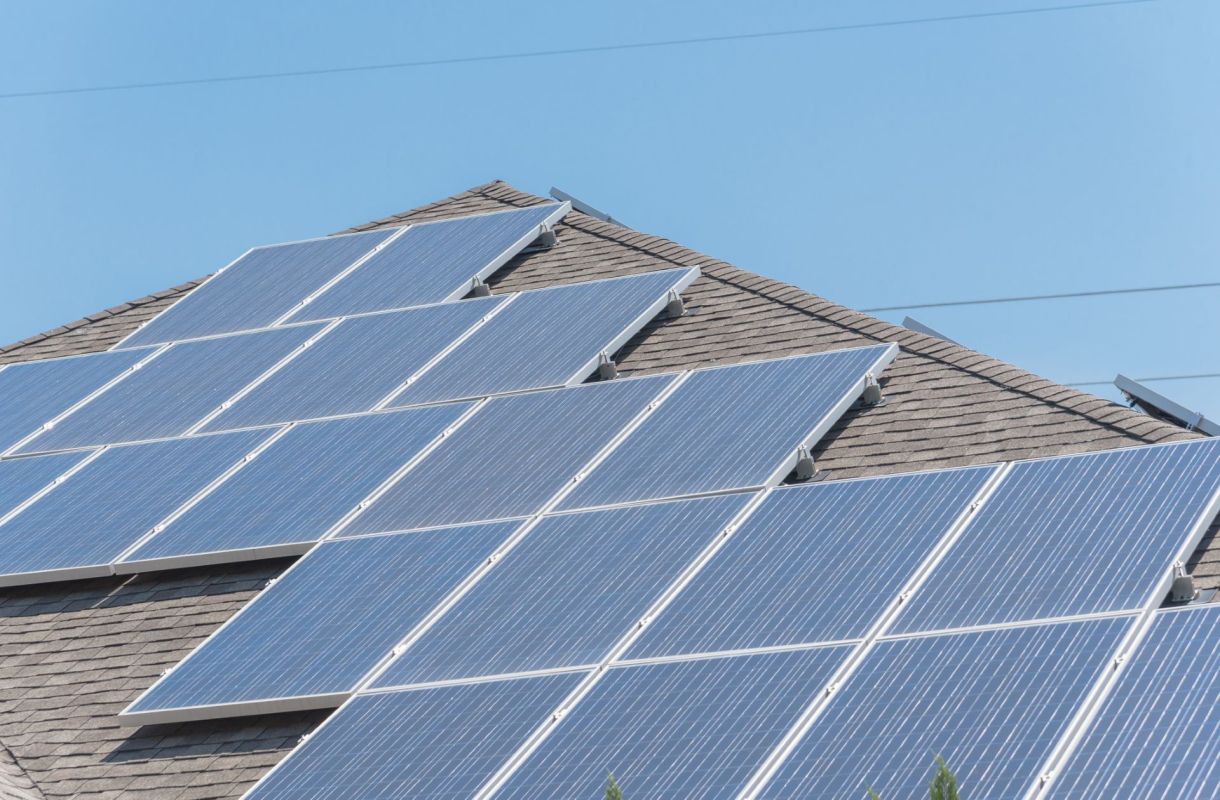
A paid-off home, $30,000 in cash, and a desire to shrink long-term living costs pushed one Australian Reddit user to ask whether going big on solar, battery storage, and eventually an EV made sense.
The replies on the r/DeinfluenceMeAUS subreddit largely came from people who had already electrified their households, and many said the economics could work.
Here's what to know
Posting in a Reddit thread, the 33-year-old software engineer said he was considering "going all in on lowering my future expenses and have a frugal lifestyle until I die just so I can retire early."
There was less concern about a quick payoff period. He added that "I just want to make sure my expense stays under 3k per month, (2k if doable)."
"Solar is a no-brainer, sooner the better, especially if you work from home with ac," a user reacted.
Instead of offering only general encouragement, several commenters shared their own numbers. One said rooftop solar often pays for itself in about four years, while batteries usually take longer unless the system can join a virtual power plant, or VPP, and earn money when the grid pulls from stored energy.
TCD Picks » Quince Spotlight
💡These best-sellers from Quince deliver affordable, sustainable luxury for all




They also estimated that electricity, fuel, and wood-heating costs together dropped from around $11,000 annually to about $1,750.
Another response came from Queensland, where a two-person household said it runs off-grid with 30 kilowatt-hours of battery storage, charges an EV "most days," and especially values having a "zero power bill" when finances are tight.
More background
For the homeowner, part of the appeal was that lowering their bills could offer some financial protection if they were made redundant at work.
People in the thread also noted that the return on investment depends heavily on the property itself. One commenter said a roof-mounted system may warrant reroofing first unless the existing roof can be shown to have around 20 to 25 years of life remaining. That same person also said buyers should factor in maintenance, possible insurance increases, and the gradual loss of efficiency over time.
Other commenters pointed to very different payoff timelines. One said their solar setup came with a 20-year warranty and looked set to pay for itself in about 3.5 years. Another described a larger system with batteries, 13.2 kilowatts of panels, and two EVs that avoids "$7k or more in costs per annum" and can also bring in revenue.
What can be done?
Before purchasing anything, the most repeated advice was to do the math.
One commenter told the original poster: "You're an engineer, you know how to calculate stuff. Do that first."
Another suggested listing every household energy cost to identify where electrification would save the most money. A more structured suggestion was to order a NatHERS assessment to find the biggest savings.
Automation and system design came up as well. The thread's overall sentiment was clear.
"Nobody who's done it will de-influence you," a commenter stated
Where can I learn more?
Homeowners considering solar as a long-term cost-cutting move can look to examples of how others have approached the same math.
• One retiree called solar an investment in their retirement years after installing panels to cut bills.
• On Reddit, solar owners urged a homeowner to do some math before chasing passive income.

Get TCD's free newsletters for easy tips, smart advice, and a chance to earn $5,000 toward home upgrades. To see more stories like this one, change your Google preferences here.






