


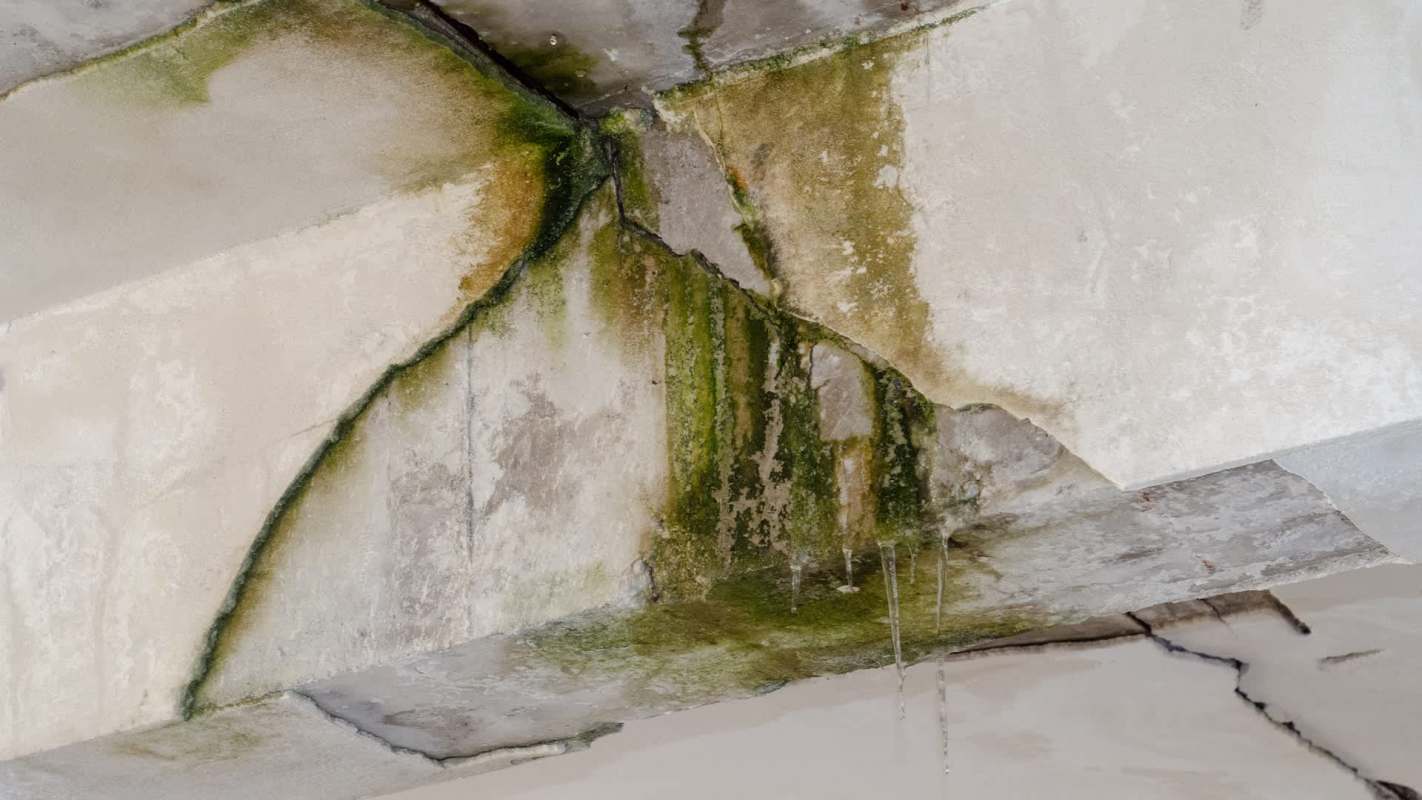
Austin is now starting work on its first city rules for mold testing and cleanup, an effort meant to address enforcement gaps that tenants and advocates say have left too many unsafe homes unaddressed, according to KUT News.
Here's what to know
The process began in August, when the Austin City Council approved a resolution to start writing city code rules for mold testing and remediation.
Council Member Vanessa Fuentes, who wrote the measure, acknowledged that the city has lacked strong enough enforcement tools for code officers to move quickly when unhealthy living conditions are reported.
One renter affected by the issue, Larry Phelps, said a long-running water problem at his South Austin apartment was eventually traced to a broken pipe behind his toilet after months of delay.
He noted that the leak damaged wood and led to mold.
"It wasn't until I started noticing water coming up from my bathroom floor," Phelps explained.
TCD Picks » Quince Spotlight
💡These best-sellers from Quince deliver affordable, sustainable luxury for all




"The frustrating thing about it was it was like my voice was not being heard. Like I was not taken seriously when I kept reporting, 'Hey, there's an issue,'" he later added.
Austin relies on state rules that require landlords to address mold only when it covers "25 contiguous square feet," roughly the size of a small walk-in closet, and the property has at least 10 units.
Fuentes admitted that framework left renters in smaller complexes or single-family homes especially vulnerable.
More background
Mold complaints can be especially difficult to resolve because visible growth is often only one sign of a deeper building problem.
Shoshana Krieger, project director of Building and Strengthening Tenant Action, or BASTA, stated that mold "has been a perennial issue in housing both in Austin and the larger U.S. and is a very, very hard issue to tackle."
Mold exposure can come with water damage, structural issues, and health problems that force people to move.
Phelps told KUT News that the conditions caused dizziness and ultimately led him to break his lease and relocate to San Marcos.
The current state threshold also means renters routinely struggle to get assistance until the problem becomes extensive.
By the time contamination grows large enough to clearly trigger enforcement, the underlying leak or moisture damage may already have worsened and become more expensive to repair.
Supporters of the change believe local standards could give code officers more flexibility to step in sooner, especially when tenants report persistent moisture, hidden leaks, or recurring mold in housing that falls outside the state's narrower rules.
What's being done?
The August resolution did not create a new code immediately; instead, it set off a months-long process.
The city manager and staff are expected to work with housing providers, mold experts, and tenants' rights groups to determine what local enforcement should look like.
That could include clearer testing protocols, remediation expectations, and standards meant to keep mold from returning after cleanup.
Krieger indicated that stronger local regulations could help landlords and homeowners address mold safely and prevent it from returning.
The city manager is expected to present possible changes to the City Council in May.
"It is going to be a process, and it is going to be something that we develop along the way," Fuentes told the outlet. "And I hope that we can set a standard for how we want our homes to be for Austinites here in our city."
Where can I learn more?
These stories take a closer look at the housing and health problems behind Austin's push for stronger mold rules. They cover mold-related illness, rental habitability fights in Texas, and proposed protections for dangerous indoor conditions.
• Across the southern U.S., mold is taking over homes and leaving residents with worsening health problems.
• In Texas, some renters say landlords still ignore cooling requests even amid dangerous heat.
• In Arizona, lawmakers are weighing new renter temperature protections for dangerously hot homes.

Get TCD's free newsletters for easy tips, smart advice, and a chance to earn $5,000 toward home upgrades. To see more stories like this one, change your Google preferences here.






