


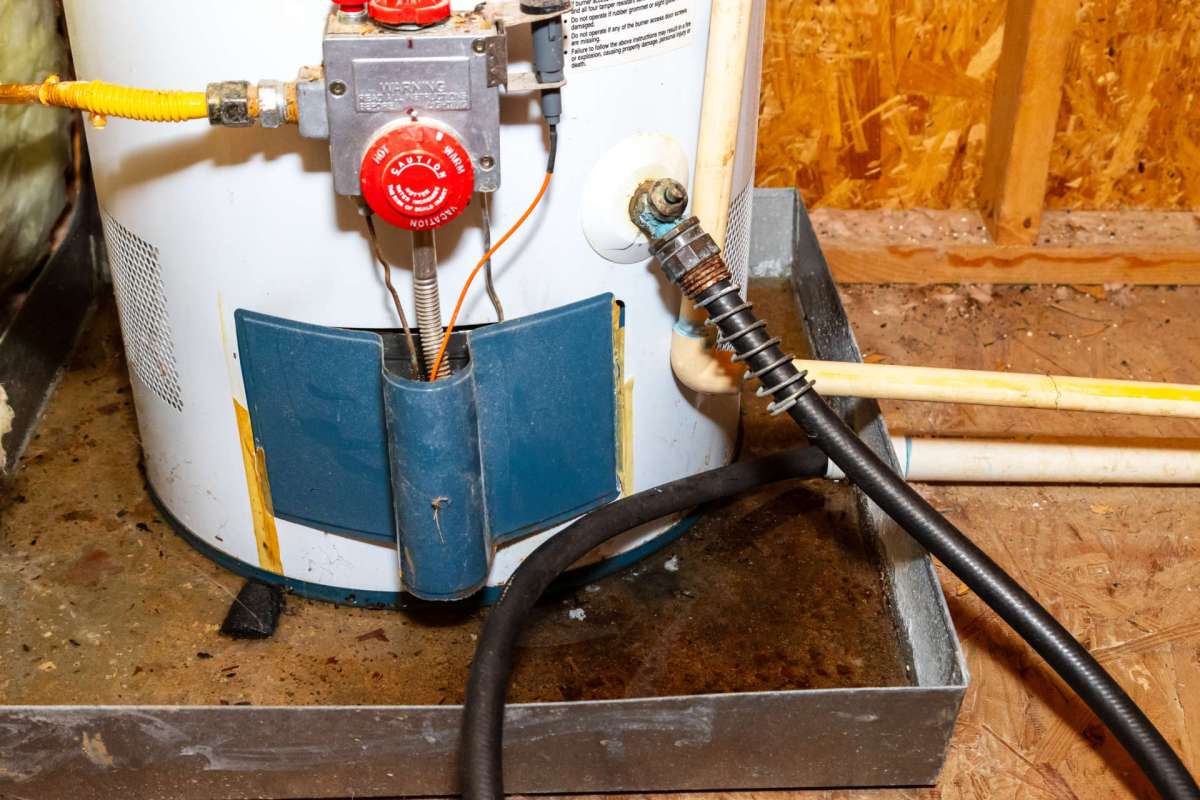
An unexpected warning about an attic water heater left a first-time homeowner weighing whether to replace a 16-year-old gas unit that still works or risk a future failure that could bring both a new appliance bill and water-damage repairs.
However, the situation may have also presented an opportunity to lower utility costs by upgrading to a heat pump water heater.
What happened?
In Reddit's r/Plumbing, the homeowner wrote that a plumber brought up the water heater while visiting for a different plumbing problem.
"He said there's nothing wrong with it at the moment, but recommended replacing it based on age," the original poster noted. They added that the tank is in the attic, sits in a drain pan, and hasn't shown signs of trouble.
"This is my first home, so I'm trying to balance being proactive with not replacing expensive equipment before it's necessary," the OP explained.
Commenters agreed that at 16 years old, the tank is already beyond the point when many homeowners seriously begin considering a replacement.
They also pointed out that the water heater's location raised the stakes. An overhead leak could damage ceilings, drywall, insulation, and anything stored below. Instead of paying only for a new appliance, a homeowner could also be left covering ceiling repairs and restoration work.
"Where I am if you have water damage due to a 10+ y.o. water heater insurance won't cover or will cover less," one Reddit user shared. "If it were in a basement and no possible damage I'd leave it be … but in the attic the damage would be atrocious."
Save $10,000 on solar panels without even sharing your phone number Want to go solar but not sure who to trust? EnergySage has your back with free and transparent quotes from fully vetted providers in your area. To get started, just answer a few questions about your home — no phone number required. Within a day or two, EnergySage will email you the best options for your needs, and their expert advisers can help you compare quotes and pick a winner. Solar panels can save you more than $50k over their 25-year lifespan, and EnergySage can help you save as much as $10k on installation. Which begs the question — isn't that worth an email or two? |

"My house was built in 1986 and has the original hot water heater and it's working fine and I see no reason to change it. It's not in the attic though," another said.
Why does it matter?
Replacing a water heater on your own timeline is far easier than scrambling in an emergency, especially if the unit fails at night, over a weekend, or during a busy season when service may be harder to schedule.
There's also a less obvious cost to keeping an aging system simply because it still works: Older water heaters can be less efficient, driving up monthly utility bills over time. For homeowners who know replacement is eventually coming, waiting for a breakdown can mean paying more for an emergency replacement while continuing to run a less efficient unit.
What can I do?
If your water heater's getting older, it may be worth checking the manufacturing date, looking for rust or moisture, listening for rumbling sounds, and watching for inconsistent hot water. Even if you don't see any visible signs of wear, asking a trusted plumber for a proactive inspection can help clarify the cost of replacing the unit now versus the risk of waiting.
If replacement is on the table, Cala offers an alternative to a gas tank. Its customizable smart heat pump water heaters help homeowners decrease their energy bills by heating water exactly when it's needed.
Cala's systems are designed to respond to a household's real usage patterns, which can reduce wasted energy while still keeping enough hot water available for showers, laundry, and dishes.
Planning ahead also leaves time to explore tax credits, rebates, and installation details instead of making a rushed decision after a leak.
For those trying to avoid both surprise repairs and unnecessarily high energy bills, a smart upgrade such as Cala can be easier to justify.

Get TCD's free newsletters for easy tips, smart advice, and a chance to earn $5,000 toward home upgrades. To see more stories like this one, change your Google preferences here.






