


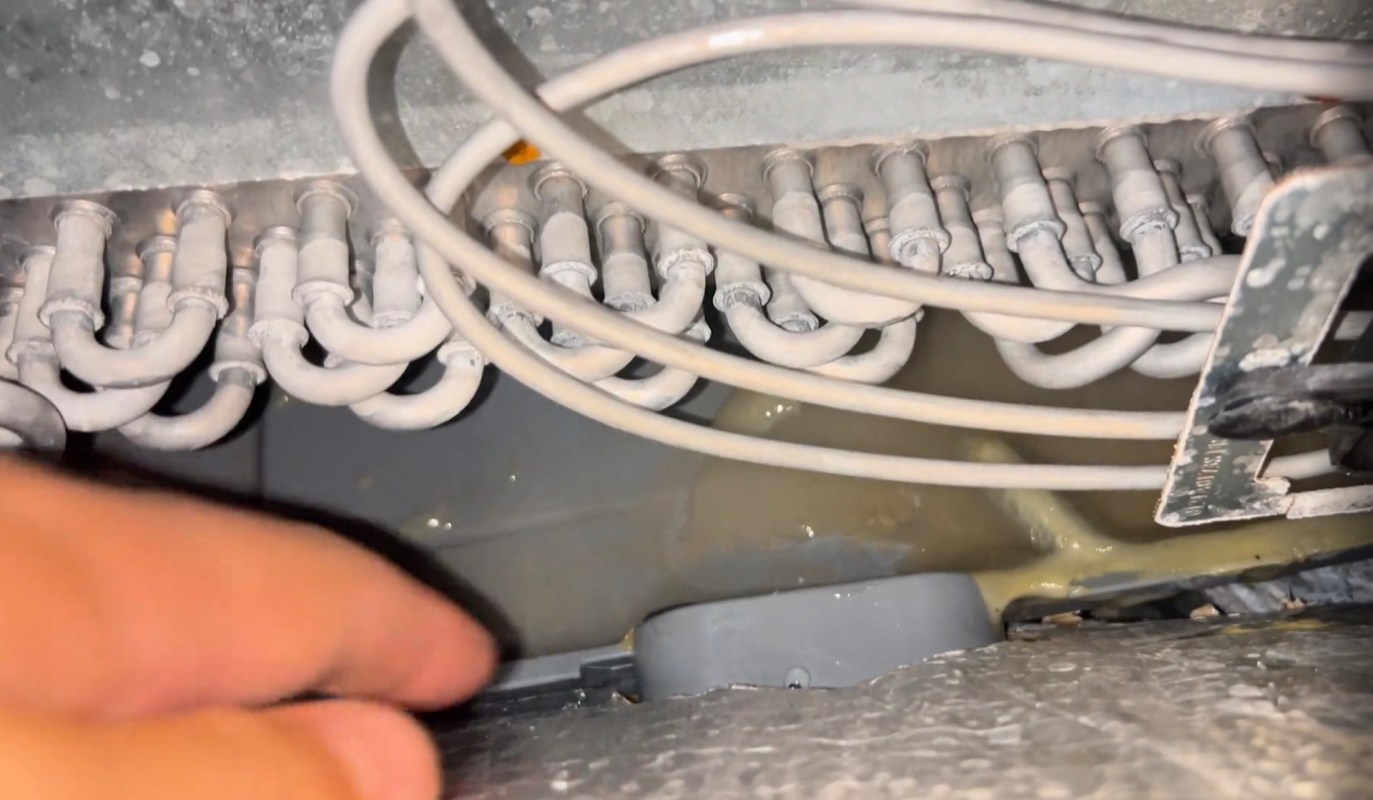
A homeowner's attic heat pump is only about a year old, but the system is already producing enough slimy buildup to raise concern. The mess appeared in the interior drain pan, the primary drain line, and even the emergency pan beneath the unit.
Here's what to know
The homeowner took their concerns to the r/HVACAdvice forum on Reddit, writing "there is what seems to be a ridiculous amount of buildup in the pan and down the primary drain for only a 1 year old system."
(Click here to watch the embedded video if it doesn't appear.)
In the post, they shared footage of the issue and said the primary drain runs outdoors and empties near the condenser, yet residue had still collected in the pan and throughout the line.
The drain system is designed to move condensation safely away from the unit. If the line clogs, water can back up, spill into the secondary or emergency pan, and potentially damage surrounding areas if it is not addressed in time.
The homeowner also said the system uses a one-inch filter at the ceiling grille. For most of the first year, the filter was replaced fairly regularly, but there was one stretch when the same filter stayed in place for about three to four months instead of being changed monthly.
TCD Picks » Quince Spotlight
💡These best-sellers from Quince deliver affordable, sustainable luxury for all




More background
Condensate drains are wet by design, which means they can become a collection point for dust, dirt, and biofilm. In an attic system, a hidden drainage problem may not become obvious until water starts staining drywall or soaking insulation.
A system can be relatively new and still develop sludge if moisture and airborne debris continue feeding it. Even a minor restriction in the line can gradually reduce drainage performance over time.
The financial risk is often greater than the slime itself. Catching a blockage early can mean the difference between a simple cleaning and a far more expensive chain reaction involving an HVAC service call, water-damaged ceiling materials, or mold remediation.
The situation shows why many people confuse new equipment with problem-free equipment. New systems still need routine upkeep, especially when condensation is involved.
What can be done?
If a homeowner notices buildup like this, the most immediate step is usually inspection and cleaning before the primary line clogs completely. That can include checking the drain outlet, looking for standing water, and having a technician confirm that the system is pitched correctly and draining properly.
Filter maintenance matters as well. While the homeowner said the filter was changed regularly most of the time, even one extended lapse can allow more dust to circulate, which may contribute to buildup inside the system. Sticking to a consistent replacement schedule can help protect airflow and may also keep electricity costs from creeping up if the unit does not have to work as hard.
A professional tune-up can also be a worthwhile preventive expense. Compared with the cost of repairing a soaked ceiling or replacing insulation, routine maintenance can save homeowners substantial money by stopping a small drainage issue before it turns into a leak.

Get TCD's free newsletters for easy tips, smart advice, and a chance to earn $5,000 toward home upgrades. To see more stories like this one, change your Google preferences here.







