


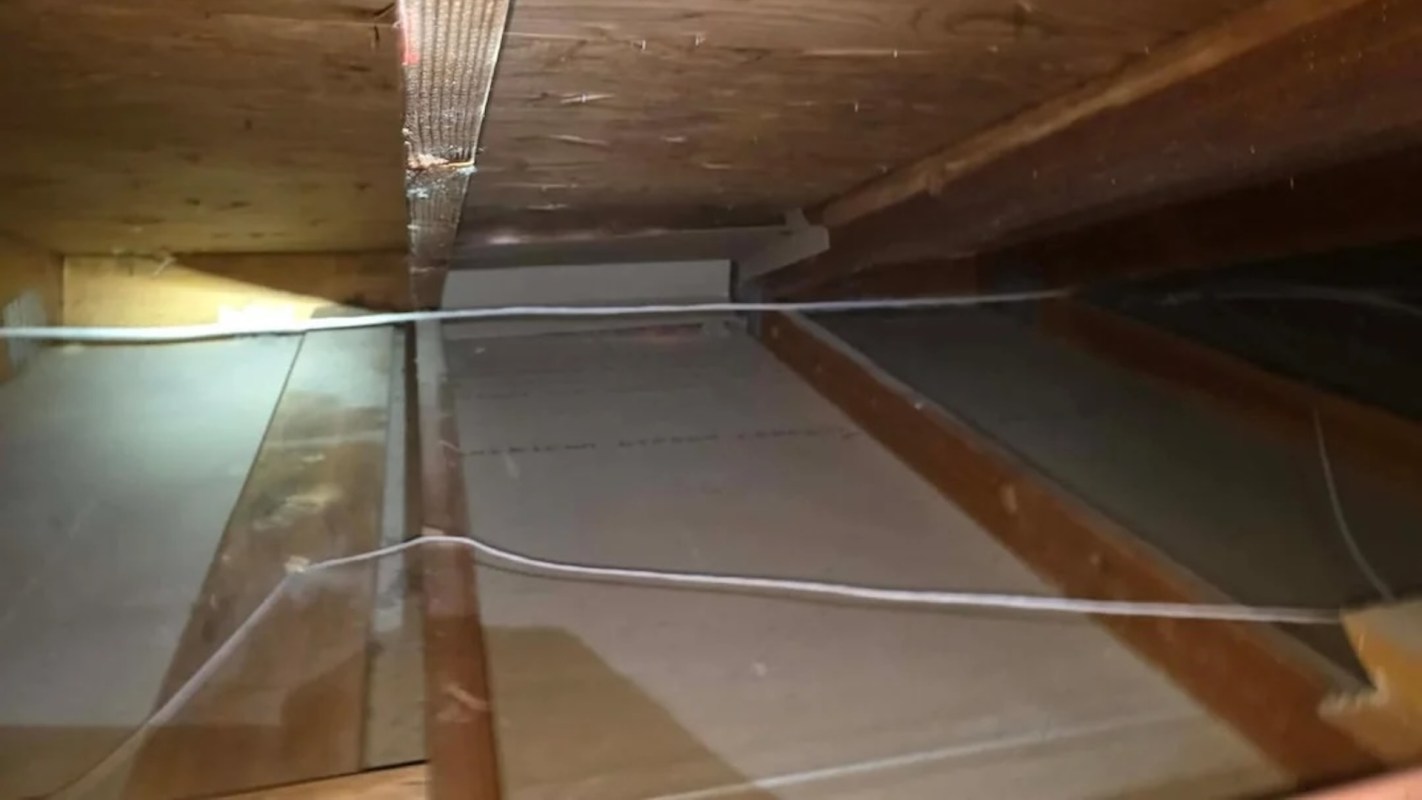
A homeowner who said an insulation contractor promised foam attic baffles ended up with plain cardboard instead, prompting a Reddit post asking whether the vents were even installed in a way that would let the roof breathe.
The discussion became a useful warning for anyone paying for attic work. Catching problems early can help protect energy performance and may even prevent extra costs, including the $700 insulation upgrade this homeowner needed and said was not included in the original quote.
Here's what to know
Posting images of their attic in a Reddit thread, the homeowner said the company owner had promised baffles that would "include foam as a material," yet the installed pieces were plain cardboard. The questions were whether cardboard could still perform adequately and whether the visible baffles looked properly placed next to the blown-in cellulose.
One reply called the work "trash, should have used a polypropylene foam baffle." That commenter also said the installed pieces looked "far too short" and suggested the home's edge may not have enough insulation.
Discussion then turned to air sealing. Explaining that top plates are the top framing members of a wall, one commenter said those areas are among the key gaps to address in an unfinished attic and added that "air sealing is just as important as insulation, they go hand-in-hand these days."
Others were less categorical, saying the installation might still be fine if the passage from the soffit stayed open and the cellulose had not spilled into the intended ventilation channel.
TCD Picks » Quince Spotlight
💡These best-sellers from Quince deliver affordable, sustainable luxury for all




More background
One concern that came up repeatedly in the comments was length. Multiple commenters said the baffles need to continue high enough above the new insulation to preserve the ventilation path. As one person put it, their job is to let the roof breathe.
That warning came with a bigger concern about what happens if the channel gets buried. One commenter wrote that if insulation covers the baffles, "your roof won't breathe properly and will reduce its serviceable life as well as having a negative impact on any HVAC equipment that resides in your attic." They added that the exact height depends on the insulation type and desired R-value, but "should be close to 20 inches from the baffle on the roof to your ceiling drywall."
People also scrutinized the photos themselves, especially the first one. More than one commenter said the piece appeared either pressed flat against the roof or installed backward, both of which could leave too little space for airflow.
Separately, the homeowner said they discovered their ZIP code called for R-49 rather than R-38, and said the contractor wanted another $700 to increase the insulation to that level.
What can be done?
Before getting a clear answer, the homeowner said they had already gone back to the company for additional images, because the existing photos did not show how far the baffles extended once the blown-in cellulose was in place.
From there, commenters suggested checking three basics in the attic: whether the baffles actually connect the airflow path to the soffit vents, whether they were installed with a gap instead of flat against the roof deck, and whether cellulose is covering the channel that is supposed to stay open.
The homeowner said, "Air sealing was part of what they did," but suspected they might have missed the most important spots. A commenter replied that not every top plate needs attention, and that the bigger issue is openings between drywall and framing.
Where can I learn more?
Questions about attic baffles and insulation can quickly turn into bigger issues around airflow, energy costs, and contractor pricing. These stories look at attic cooling, disputed insulation quotes, and insulation upgrades.
• A contractor showed how a simple attic fan can help keep upper rooms cooler.
• In New Jersey, a homeowner was warned they were getting fleeced on insulation.
• Across the United States, homeowners have already claimed over $3 billion for insulation upgrades.

Get TCD's free newsletters for easy tips, smart advice, and a chance to earn $5,000 toward home upgrades. To see more stories like this one, change your Google preferences here.






