


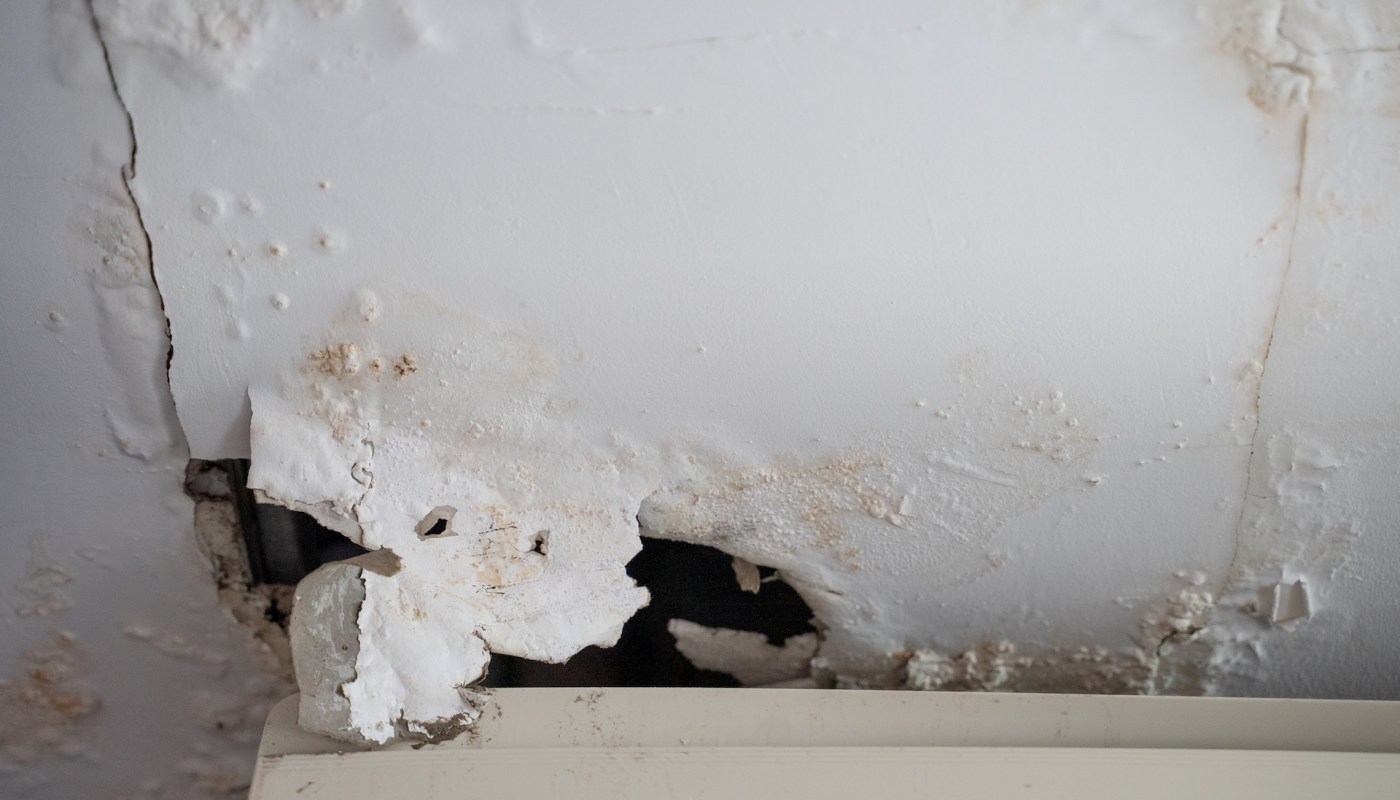
Renters in Asheville, North Carolina, gained stronger protection against dangerous living conditions.
City leaders approved a rule that bars landlords from collecting rent on properties the city has officially deemed unsafe if they fail to make required repairs, according to NC Newsline.
Here's what to know
NC Newsline reported that the Asheville City Council unanimously approved the housing code change. It applies when a landlord has been notified of a violation but fails to make critical repairs.
Under city code, 18 conditions can label a unit unsafe, such as missing heat, no hot water, or a lack of smoke detectors.
Mayor Esther Mannheimer said North Carolina law still sets limits on what renters can do before a judge intervenes. Tenants generally can't withhold rent on their own, but the ordinance may still help them get money back if major violations go unresolved.
Mannheimer made the city's position clear: "I think it's important that we send a signal that we're not supportive of any landlord that would require rent payment for what is essentially uninhabitable rental property. This is kind of our only vehicle to do that, because the state does preempt us from taking greater action."
TCD Picks » Quince Spotlight
💡These best-sellers from Quince deliver affordable, sustainable luxury for all




Asheville now joins Durham, Charlotte, Pineville, and Pittsboro in adopting similar policies.
More background
The change came after about 10 months of organizing by the Asheville Area Tenants Union, which began pushing for it after renters in Durham secured a similar ordinance.
Rachel Wyse, an AATU organizer and lifelong Asheville resident, said one reason for the campaign was that cheaper rental housing is often in the worst shape.
That can place even more pressure on renters who already have the fewest alternatives. Wyse said many of those affected are older adults on fixed incomes, disabled tenants, and low-wage service workers, who can end up paying for homes that may threaten their health and safety when basic repairs are left undone.
"When we watched Durham do that, we decided that was a fight we needed to have in Asheville," Wyse said. "The people who live in these kinds of spaces are elders on Social Security fixed income, disabled folks on disability fixed income, and then poor people who are service workers who make a lot less than a living wage, and we don't have anywhere to go. These sorts of apartments are the last stop before homelessness."
Most property owners who addressed the council supported the measure, though some said the process had moved too quickly. According to NC Newsline, Matt Allen, director of government affairs for the Realtor's Association, described it as a "rush to push" and argued that more time was needed to create a policy that targets bad actors while accounting for possible unintended consequences.
What's being done?
At the local level, cities are testing stronger legal tools to hold landlords accountable when housing conditions move from merely substandard to truly unsafe.
Landlords elsewhere have drawn criticism for blocking tenants from money-saving changes like planting a garden or hanging a clothesline to air-dry laundry, restrictions that can leave renters unable to try habits that would otherwise save them money.
Some homeowners face similar roadblocks from their HOA, and TCD's guide to changing HOA bylaws is a starting point for residents who want to work with their community to update outdated rules.
Where can I learn more?
Asheville's ordinance is part of a larger fight over who pays when housing is no longer safe or livable. Across the country, tenants and homeowners are also pushing back on dangerous conditions, disputed fees, and restrictive rules that affect everyday life.
• In Arizona, lawmakers are weighing new indoor temperature protections that could curb dangerous rental conditions.
• Elsewhere, renters are still challenging landlord utility fee demands that raise basic fairness questions.
• Some tenants also face oppressive condo rule enforcement that turns routine home use into conflict.
• Some apartments even prohibit common household chores, showing how tightly landlords police daily life.
• In North Carolina, lawmakers are pushing to stop HOAs from blocking home-based resilience measures.
These stories show how many housing disputes begin with basic conditions at home. They also help explain why Asheville renters and organizers see stronger enforcement as necessary.

Get TCD's free newsletters for easy tips, smart advice, and a chance to earn $5,000 toward home upgrades. To see more stories like this one, change your Google preferences here.






