


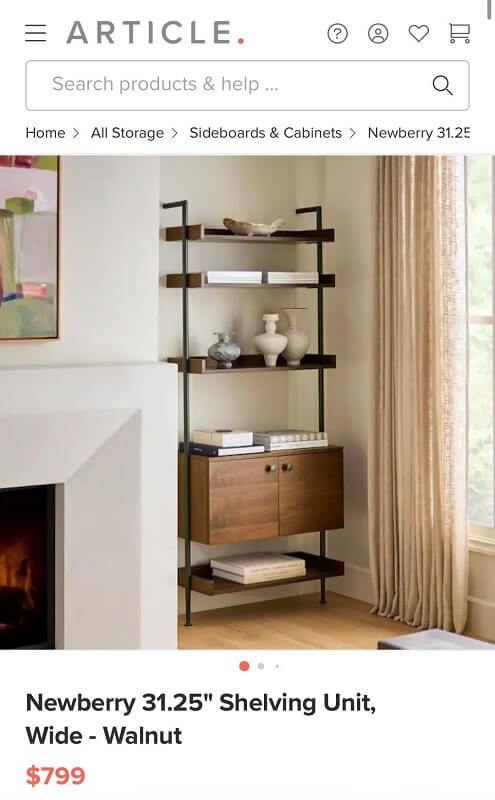
An $800 shelving unit is drawing backlash online after a buyer said it arrived with stripped hardware and lower-end materials than expected. The complaint taps into a familiar frustration: premium pricing paired with quality that feels disposable.
What happened?
A Reddit user raised concerns after running into assembly problems with Article's Newberry Shelving Unit. The user explained the situation in the r/BuyItForLife subreddit.
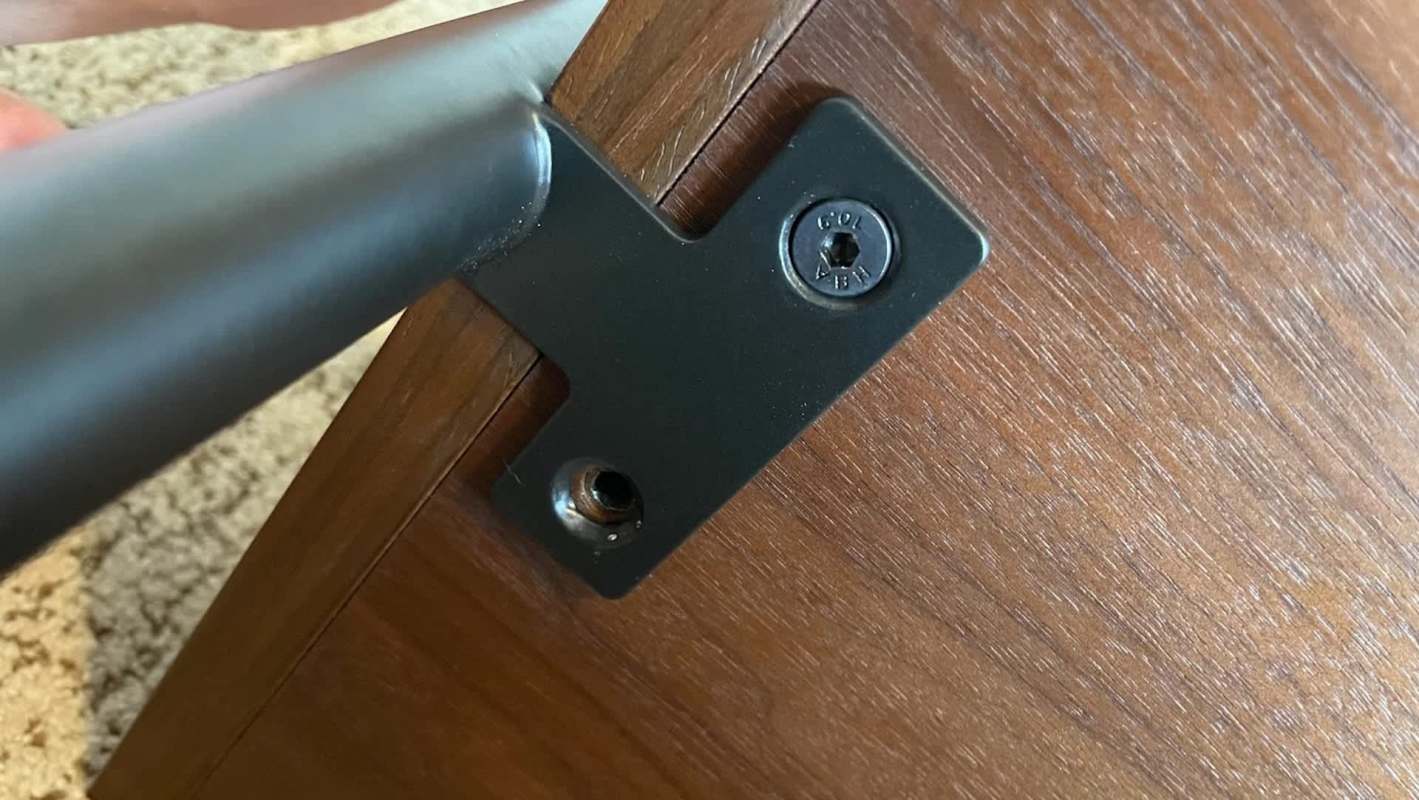
"When assembling the Newberry 31.25" Shelving Unit today for my home office, I ran into an issue with the internal hardware being stripped in several places."
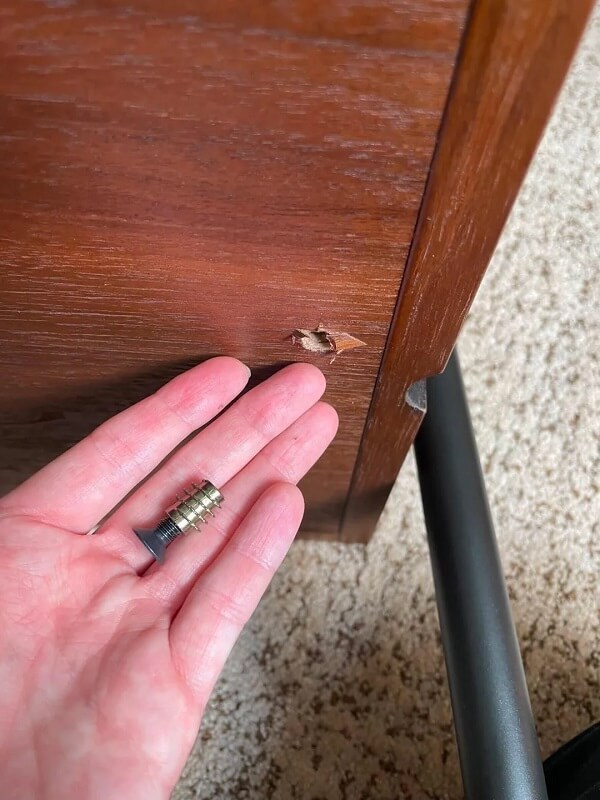
According to the post, the damage was serious enough that one fastener could not be used at all. "I had to leave the screw out completely because I wasn't able to align and tighten the screw in the hole at all," the original poster explained.
The buyer also said this was unusual given how much furniture they had assembled before, and noted that reviews on Article's own site mentioned the same problem.
The poster also compared the shelf unfavorably with older items they had bought from Article, saying it appeared to be made from "soft particle board (or something similar)" instead of better materials. They added that the defects were especially disappointing at this price, writing that it was "not the level of quality I normally expect, especially considering this is an $800 unit."
TCD Picks » Quince Spotlight
💡These best-sellers from Quince deliver affordable, sustainable luxury for all




The thread quickly filled with broader complaints about furniture quality, engineered wood, and luxury-style branding attached to products that may not feel built to last.
Why does it matter?
Furniture is expensive, difficult to return once assembled, and often marketed as an investment. If hardware fails during assembly or the core materials feel flimsy, buyers can end up with a product that is both frustrating to use and costly to replace.
There is also a waste issue. Furniture that breaks early or does not hold up over time is more likely to be discarded, adding to landfill pressure and pushing consumers to buy replacements sooner than planned. That cycle can strain household budgets while increasing demand for more raw materials, packaging, and shipping.
Commenters also pointed to a broader trust problem in the home-goods market. One wrote, "No way I'm spending $800 on $50 of medium density fiberboard."
At the same time, several commenters noted that veneer is not automatically low quality. They questioned whether the product's durability and transparency matched its price.
What can I do?
Read the materials section closely before buying. Terms such as veneer, manufactured wood, medium density fiberboard, particleboard, and solid wood can mean very different things in terms of durability, weight, repairability, and price.
Customer reviews can also reveal assembly complaints, stripped hardware, finish problems, and wobbling. Those details may point to recurring issues that polished product photos will not show. Premium pricing raises expectations for clear specs and quality control that match the marketing.
Secondhand shopping can be a strong alternative for saving money and reducing waste. Several commenters said they now turn to thrift stores, online marketplaces, or local craftspeople for sturdier options.
Buying used furniture that lasts longer can help keep usable items out of the waste stream while allowing shoppers to avoid the churn of replacing cheaply made pieces.

Get TCD's free newsletters for easy tips, smart advice, and a chance to earn $5,000 toward home upgrades. To see more stories like this one, change your Google preferences here.






