


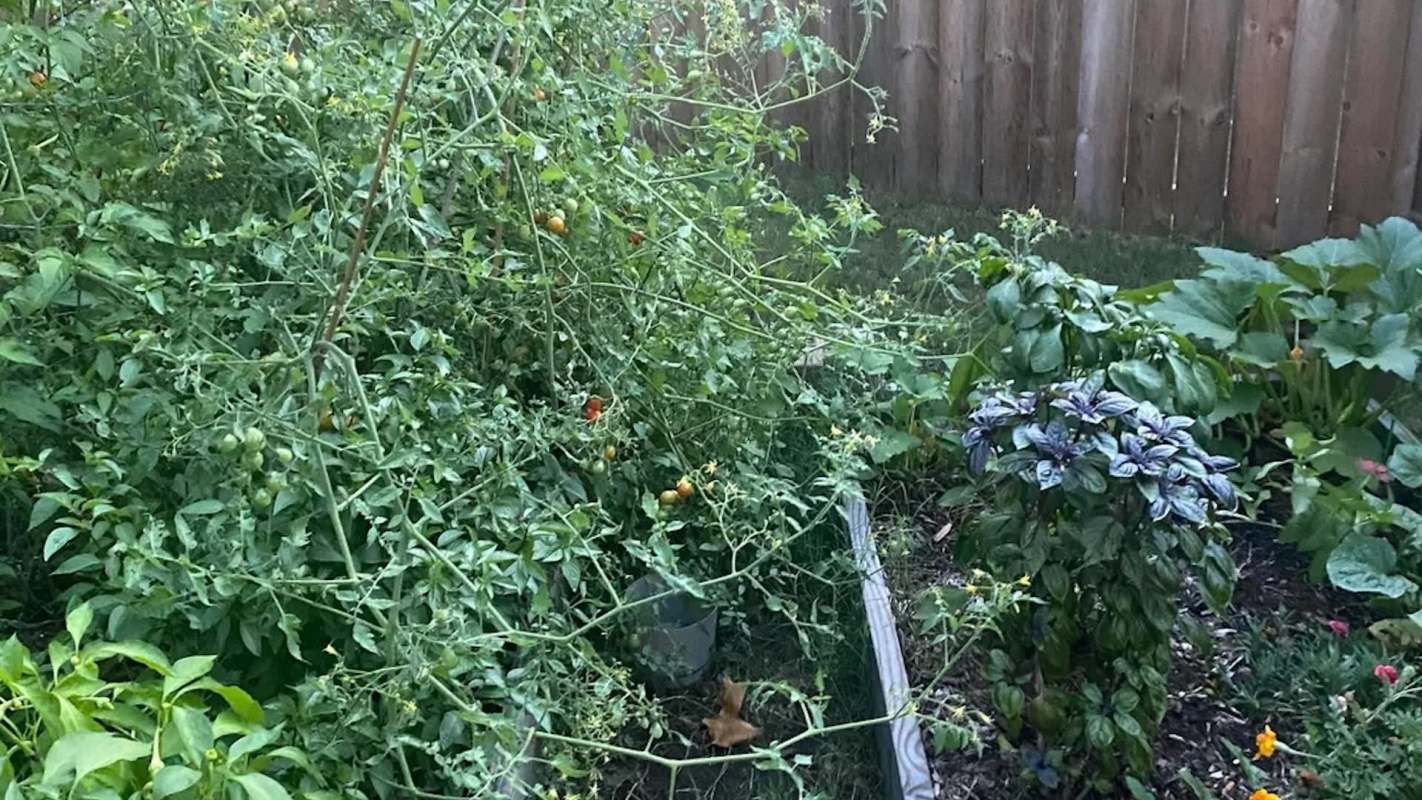
An Arkansas gardener learned that a chaotic-looking tomato patch can actually be a good sign.
What happened?
Photos posted to Reddit showed tomato plants spilling far past their supports. The Arkansas grower wrote, "My tomatoes have become ungovernable."
What prompted the post was the combination of abundant fruit and stems trailing near the soil, which made the gardener think a hard trim might be necessary.
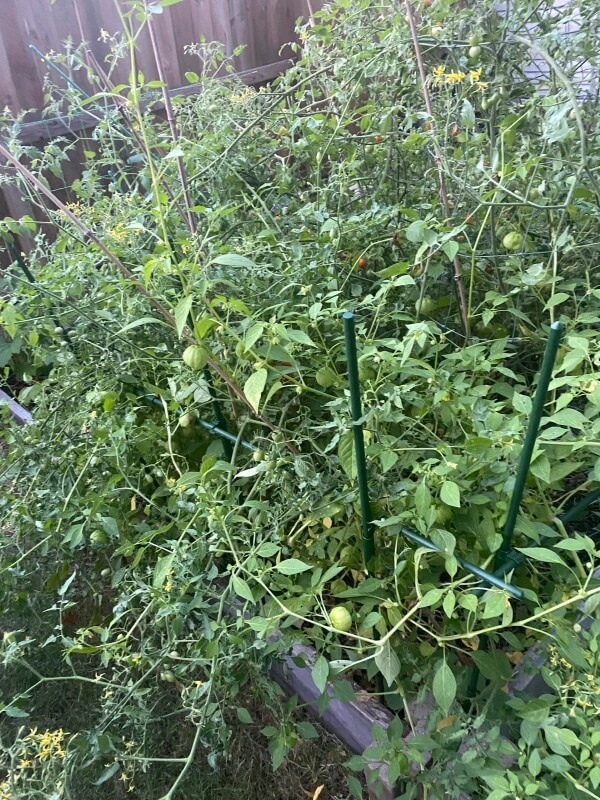
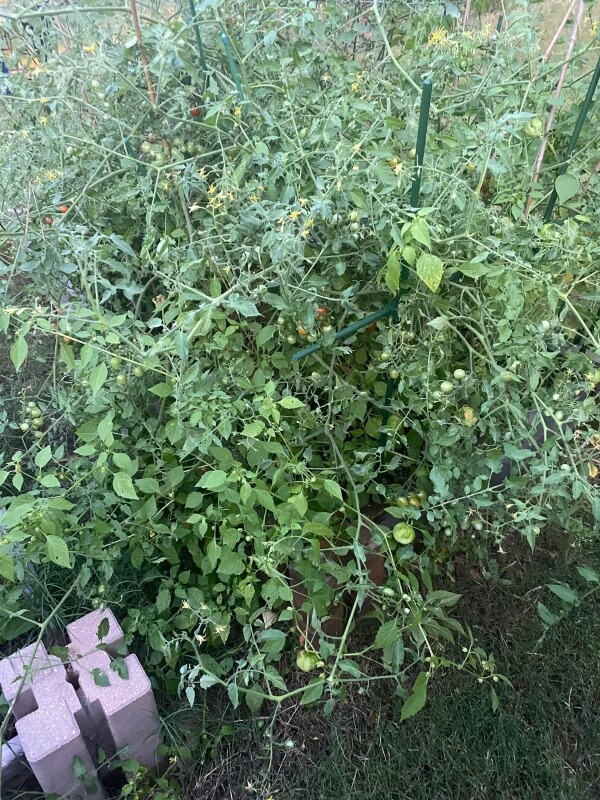
Commenters said that kind of unchecked expansion is typical of indeterminate tomato varieties, which keep growing and producing fruit throughout the season.
Rather than cutting everything back, commenters recommended a light cleanup focused low on the plants. Removing roughly the bottom 6 to 12 inches can improve airflow and help limit disease.
They also suggested replacing undersized stakes with stronger support systems. Cages and cattle panels were among the options mentioned for plants that outgrow simple staking.
TCD Picks » Quince Spotlight
💡These best-sellers from Quince deliver affordable, sustainable luxury for all




"Welcome to the Feral Garden Society!!! We meet whenever we can fight our way out of the untameable garden we've accidentally grown," one commenter joked.
Another added, "You will never have to plant tomatoes again."
"Embrace the mess," another recommended.
Why does it matter?
A garden does not always look perfectly neat when it is doing well. Sometimes abundance looks chaotic.
Home gardening can help cut grocery bills, especially with pricey summer crops such as tomatoes. It can also mean better flavor, since homegrown tomatoes are often harvested at peak ripeness rather than picked early for shipping.
A plant that looks wild may not be failing; it may be flourishing.
What can I do?
If your tomato plants are getting out of hand, resist the urge to cut them back too severely. Over-pruning can reduce shade for fruit and put extra stress on the plant during hot weather.
Focus on support and cleanup instead: Give the vines stronger cages, trellises, or cattle-panel systems, and remove lower growth so leaves stay off the soil when possible. Taking those steps before the plants get too heavy can make a big difference.
If you are just getting started with edible gardening, looking into growing your own food can help you build a productive setup at home.
Simple maintenance steps such as spacing, pruning for airflow, and consistent watering can go a long way toward preventing common garden problems before they start.

Get TCD's free newsletters for easy tips, smart advice, and a chance to earn $5,000 toward home upgrades. To see more stories like this one, change your Google preferences here.






