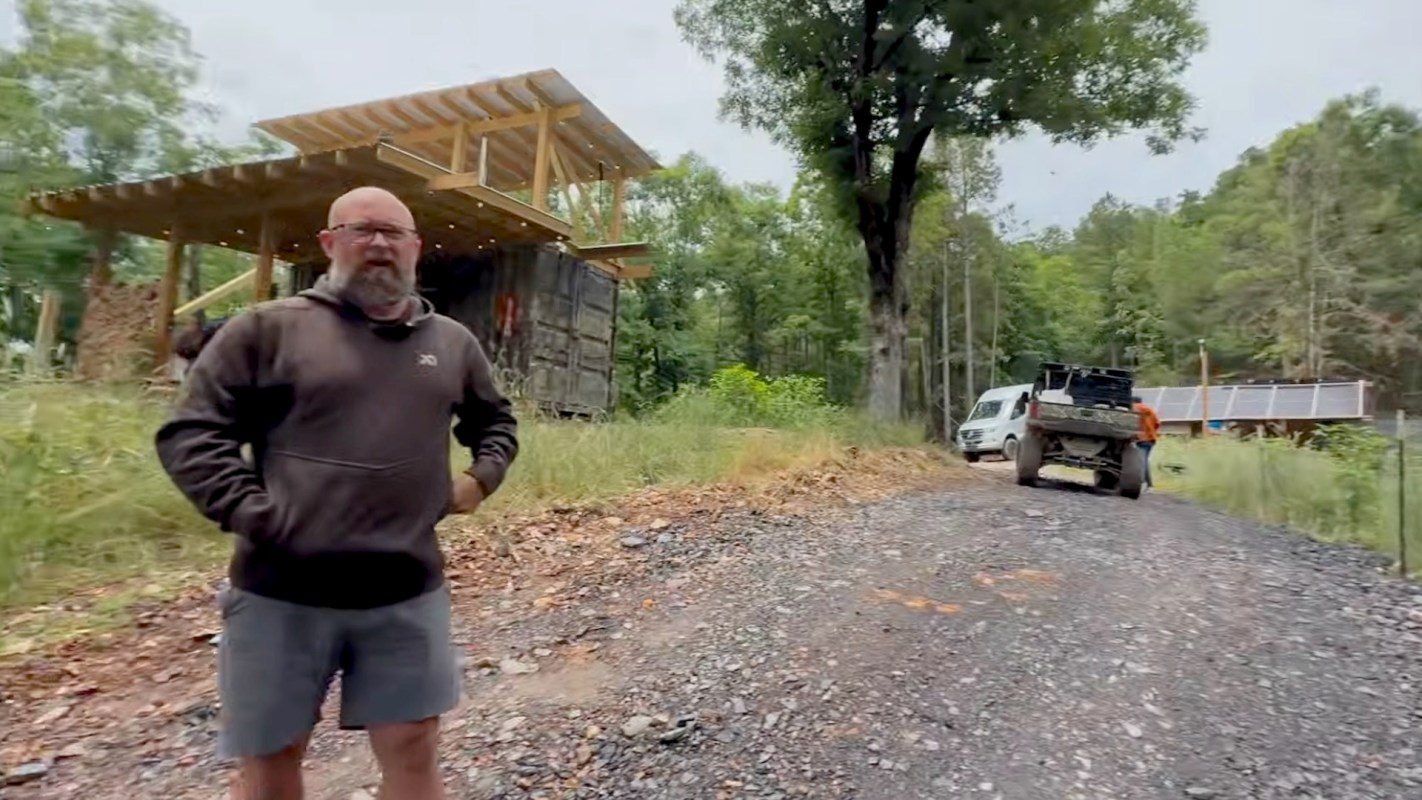
One Arkansas man chose to walk away from years of roadside convenience-store work when the life that seemed successful to others stopped feeling right to him. In Kirsten Dirksen's profile, that decision led him to sell the business, buy mountain property without road access, and begin again from a shipping container in the woods.
What happened?
A YouTube video from content creator Kirsten Dirksen follows an Arkansas homesteader identified only as Ryan, who traded suburban life for a 170-square-foot off-grid home in the Ouachita Mountains.
Ryan described his earlier life as a conventional picture of success. "I drove a nice, fancy vehicle. I owned a house in the suburbs. Hell, I even had a credit card with no limit." Even so, he said the outward signs did not match how he felt: "By all means, on paper, I was successful, but inside I was hollow."
To get established on the land quickly, Ryan said he spent $5,000 on a shipping container and began turning it into a small home. He said the property had been inexpensive because there was no road access, and that a logging friend helped make a way in. The setup now runs on 3,000 watts of solar and includes rainwater collection, a composting toilet, and an outdoor shower.
One commenter wrote, "Bro…..that intro, I feel that. I was able to do exactly what you're doing except in the Montana backcountry. I've never been happier."
Why does it matter?
Ryan's version of off-grid living is unusually rugged, but the attraction is familiar: lower costs, fewer recurring bills, and more control over daily life.
TCD Picks » Quince Spotlight
💡These best-sellers from Quince deliver affordable, sustainable luxury for all




He said extending utility service to the property could have cost between $70,000 and $100,000 for electricity alone, while a well and septic system would have added thousands more.
That independence comes with tradeoffs. Ryan manages his own water, heats with wood, and walks to a separate outhouse and shower. He also said that if the structure burned down, he would likely be uninsured.
He also described caring for the land as part of the project, saying he is thinning some non-native growth, favoring native hardwoods, and using prescribed burns. At the same time, he said he produces more of his own food over time and supplements that with hunting and fishing.
Smaller homes and lighter infrastructure can reduce resource use.
What can I do?
Ryan's takeaway is simple: "It doesn't take a lot to be comfortable." In the line that may best capture the philosophy behind his mountain home, he added, "The antidote is defining enough."
You don't need to move to a completely remote location to capture a bit of what Ryan has accomplished and simplify your life.
Solar panels can help give you energy independence; spending more time in nature is good for your mental and physical health; growing your own food can reduce what you have to buy from the store; and generally cutting back on unnecessary purchases can save you money, limit clutter in your home, and reduce the amount of waste you create.

Get TCD's free newsletters for easy tips, smart advice, and a chance to earn $5,000 toward home upgrades. To see more stories like this one, change your Google preferences here.