


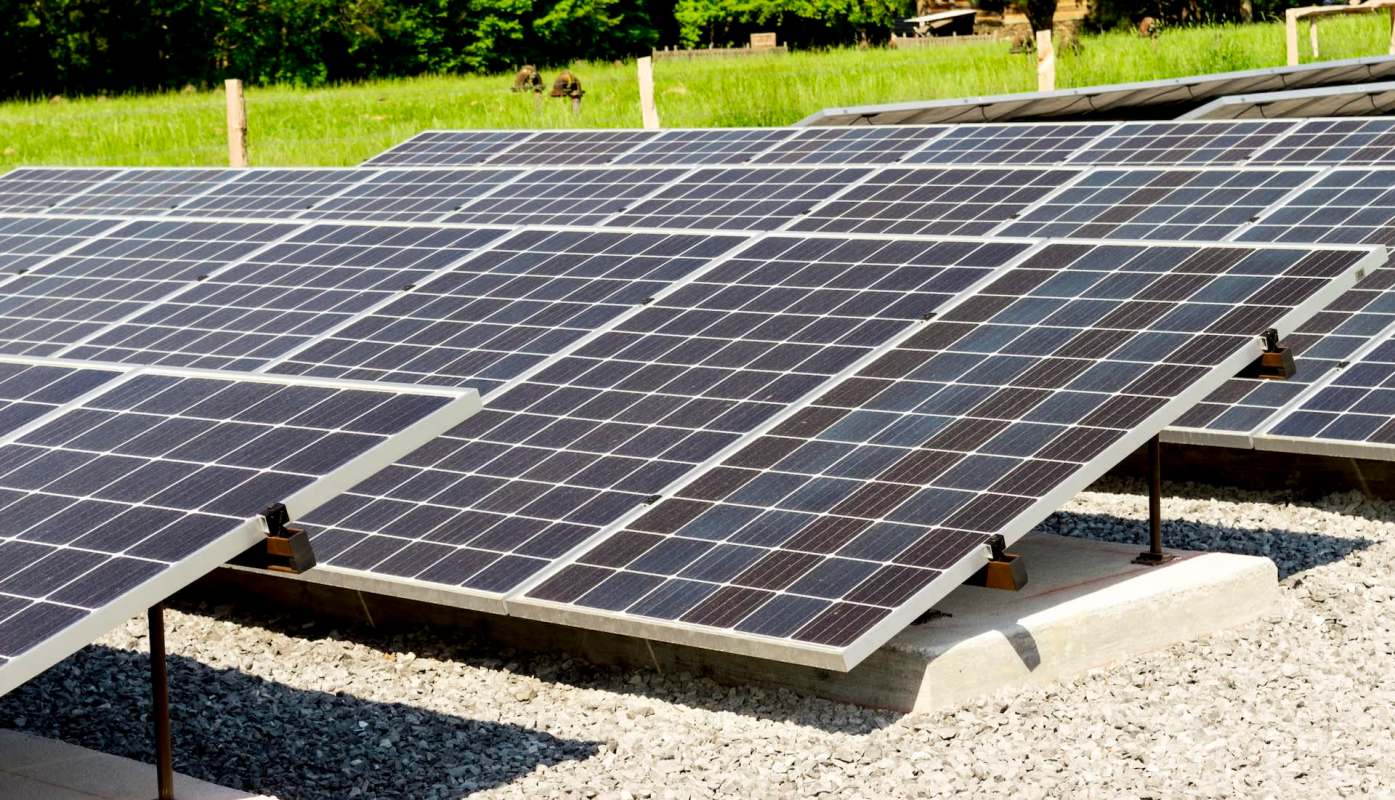
An Arizona homesteader with five independent solar systems faced a challenge when three days of rain left one battery monitor displaying just 13%, putting essential equipment at risk.
Here's what to know
Thad and Kayla of Off Grid Dreamers (@OffGridDreamers) documented the challenge on YouTube from a 7.5-acre desert homestead. The goal was to keep the property powered through thunderstorms and heavy cloud cover without starting a generator.
According to Thad, the property relies on two 12-volt systems, two 48-volt systems, and one 24-volt system. These independent setups serve different electricity needs in the tiny house, cargo trailer, large recreational vehicle, shed, and truck camper.
An early check showed the shed's solar panels producing just 9 watts, making that system a particular worry.
"The shed is my biggest concern because it has the least amount of solar and it has the smallest battery backup, you know, the battery bank," Thad explained. "So, with only two 12vt 300 amp hour batteries, I need sun every day. It doesn't have the capacity to, you know, survive multiple no sun days."
More background
A power failure in the shed could threaten water access and refrigerated groceries. Its system powers a refrigerator stocked with meat and other food, along with the water pump and the igniter for an on-demand water heater.
TCD Picks » Quince Spotlight
💡These best-sellers from Quince deliver affordable, sustainable luxury for all




Thad had been running the heater, computer, and television since early morning, but the truck camper's battery display still showed 100% around midday on another rainy day. The camper, where the creator was staying, has 1,200 watts of rooftop solar.
The large RV required little electricity because nobody was staying in it. During a break in the clouds, its solar input reached 700 watts. Dedicated solar panels let the tiny house's solar-hybrid mini-split operate without drawing on the home's main battery system.
What can be done?
The shed's refrigerator remained a priority as Thad continued checking battery levels and solar output across the property. He could use an available generator and an 80-amp lithium charger to replenish the shed's batteries if needed and protect the stored food.
The large RV can receive three times its rooftop solar input while parked on-site, thanks to a separate ground-mounted array. Even brief breaks in the storms offered opportunities to recharge.
The video went forward to a sunnier day with a rainbow after the storm, which helped bring everything up to speed after three rough days.
Commenters suggested that the couple add rain collection barrels and other ways to deal with all the water. Others suggested automating the generator to charge the vulnerable battery when solar output was down.
For homeowners exploring their own solar setup, EasyHome can help them curate competitive bids from local installers. The homesteader's needs included battery capacity for essential equipment and backup charging during extended cloudy weather.
For one commenter, solar's appeal went beyond energy independence to avoiding rising utility bills.
"For me, it's fun challenging my system and not paying the power company that seems to raise the electricity rates all the time," they wrote.
Thad marveled at the weather even as it delivered challenges.
He concluded: "There's all kinds of stuff to figure out. We're way over our heads. We don't have the budget to do all the dreams. But man, oh man. Hard to put a price on things like this."

Get TCD's free newsletters for easy tips, smart advice, and a chance to earn $5,000 toward home upgrades. To see more stories like this one, change your Google preferences here.






