


After monsoon storms, Arizona homeowners are warned by professionals that the biggest problem might be one they can't even see.
What happened?
In the wake of Phoenix-area monsoon storms, residents are dealing with obvious cleanup like fallen branches, dirt, and other debris, when the less visible issues can be more serious. ServiceMaster Restore Phoenix specialists Noah Means and Travis Martin said homeowners should check inside and outside the home for signs of water damage.
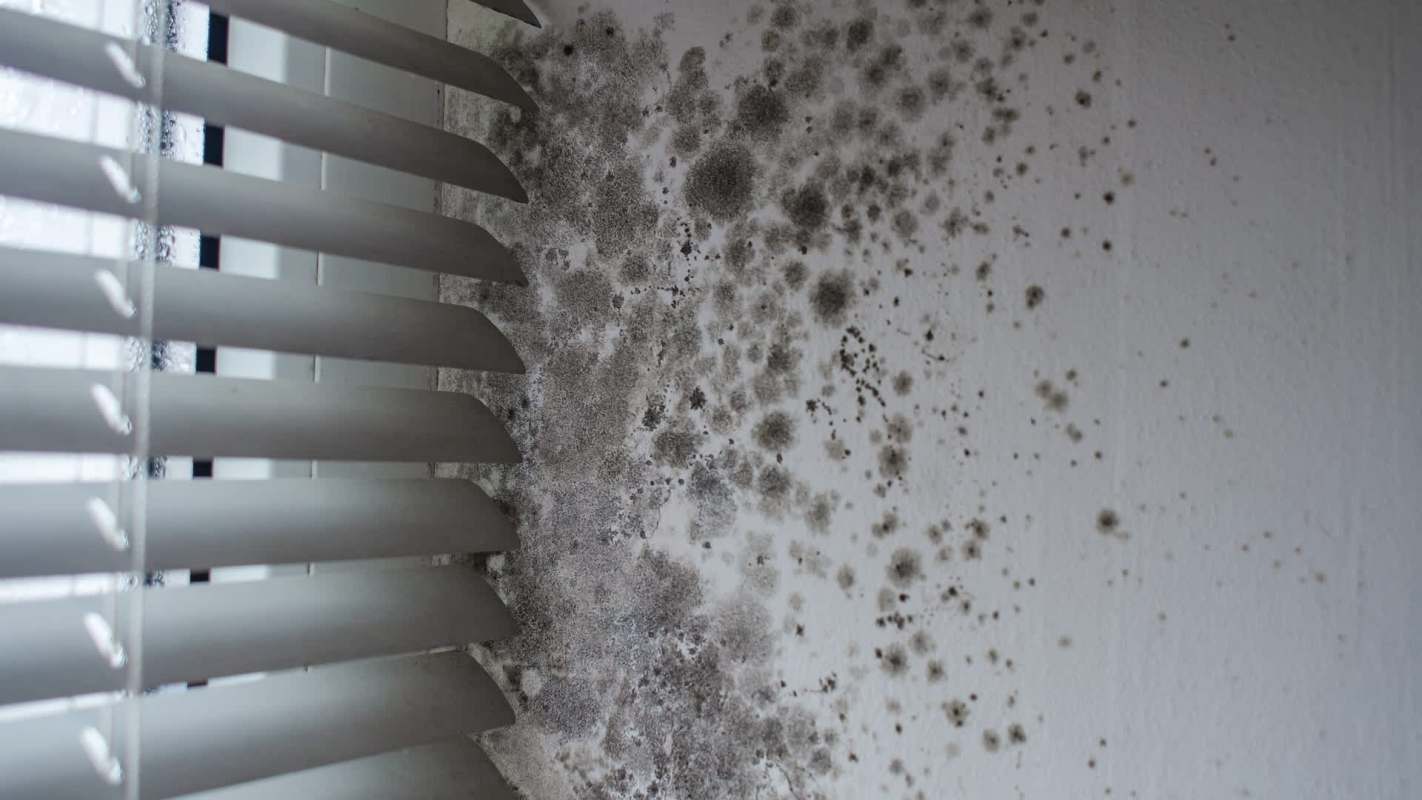
If monsoon rain and dust have driven moisture into wall cavities or around window openings, mold can start developing in as little as 24 to 48 hours. Homeowners are advised to clear scuppers and weep screeds so water can drain properly and to inspect exterior door frames for leaks.
AZFamily reported that the company saw a sharp rise in post-storm calls, with some of the most common trouble spots around windows, doors, chimneys, skylights, and exterior drainage points. If those openings are blocked, water can be pushed back into the house and soak the insulation inside exterior walls. Once drywall becomes wet, it can lose integrity and create an environment where mold can grow.
Why does it matter?
A home can look mostly unaffected after a storm while moisture is still trapped inside. Hidden moisture can quickly turn what seems like a manageable repair into a much larger project involving drywall removal, insulation replacement, mold remediation, and even ceiling repairs.
Warning signs include musty smells, stains, and discoloration, which can point to mold growing behind walls or above ceilings, where it may spread before anyone notices. Catching damage early can help limit how much material needs to be removed and replaced, potentially reducing repair costs and allowing homeowners to document issues before they worsen.
TCD Picks » Quince Spotlight
💡These best-sellers from Quince deliver affordable, sustainable luxury for all




What can I do?
Before clearing debris or starting cleanup, homeowners should photograph and record video of every damaged area. That documentation can also help show whether stains or damp spots spread over time.
After that, check the indoor areas most likely to be affected, such as windows, doors, chimneys, skylights, ceilings, and exterior-facing walls. Watch for staining, discoloration, soft drywall, or a musty smell. Means and Martin said moisture meters sold at hardware stores can help reveal damp areas that are easy to overlook.
If drywall has been wetted, the specialists told AZFamily not to leave it in place and hope it air-dries, especially on exterior walls. They said the drywall may already be compromised, and the insulation behind it may also need to come out if it is wet.
Outside, remove dirt and debris from scuppers and weep screeds, and inspect door frames for signs that water is getting in. When there are indications of ceiling damage or moisture inside walls, a restoration professional can use tools such as thermal imaging to find what is not visible.

Get TCD's free newsletters for easy tips, smart advice, and a chance to earn $5,000 toward home upgrades. To see more stories like this one, change your Google preferences here.






