


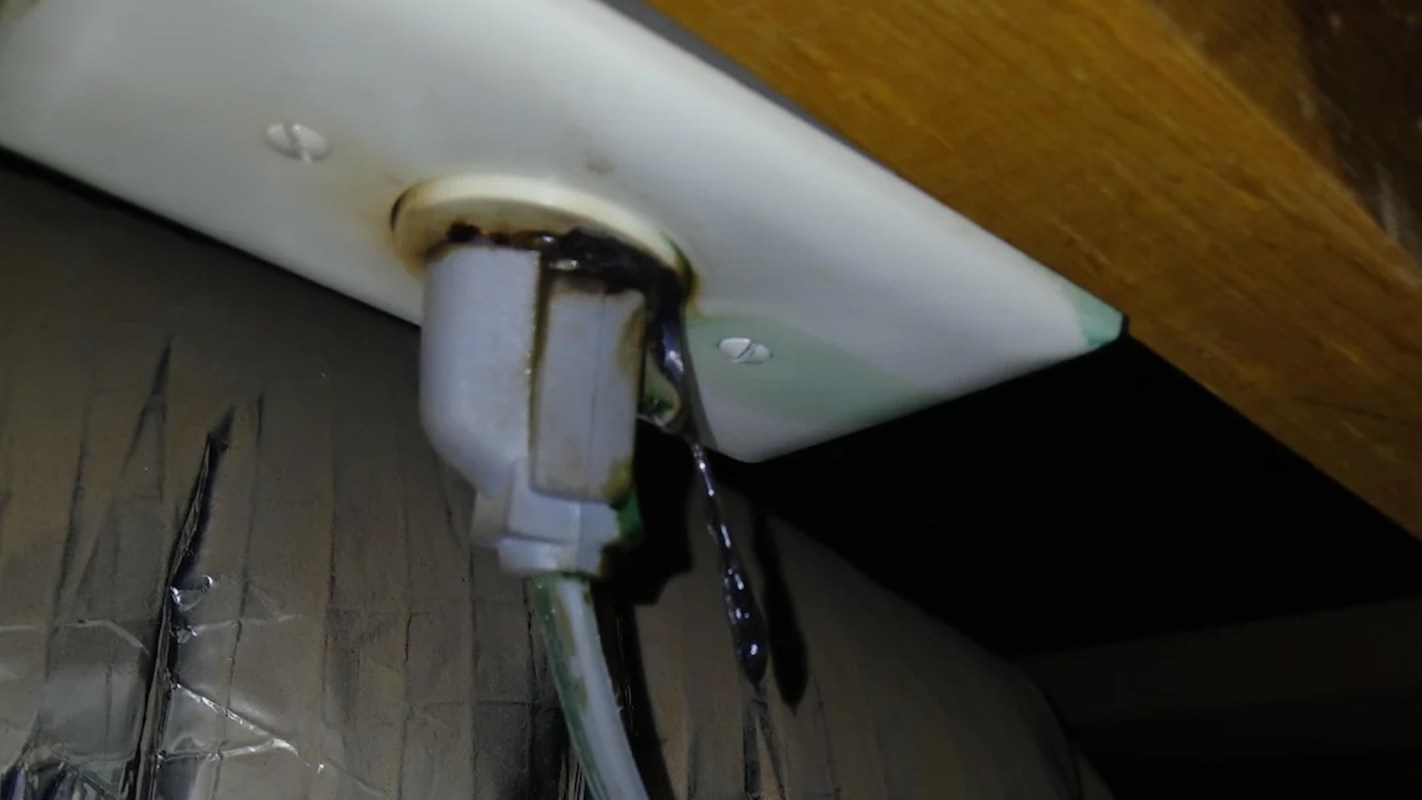
A routine service call in Arizona became a stark reminder of why homeowners should never ignore a breaker that keeps tripping.
What happened?
After inspecting an attic furnace, an HVAC technician shared the discovery on Reddit, saying the visit had started with a complaint about a breaker that "keeps flipping."
Describing the damage, the original poster wrote, "Main power for the furnace in the attic got a little goopy."
Elsewhere in the thread, the technician said a supervisor believed the 2010 Arizona installation may not have been permitted at the time.
"I don't know if the code allowed this back then but it's up to code now," they added.
Much of the conversation turned to whether the furnace had been wired appropriately in the first place.
TCD Picks » Quince Spotlight
💡These best-sellers from Quince deliver affordable, sustainable luxury for all




One commenter wrote, "Code in my area you can't power a furnace that way. Needs its own dedicated line to the breaker."
Another said some jurisdictions instead require the furnace to plug into a "dedicated" outlet.
"Cable greening or green goo is a dielectric material from moisture buildup inside of older Romex," another commenter said, noting that older wiring can develop corrosion and a slime-like residue over time.
Why does it matter?
A breaker that trips repeatedly is often an early warning sign of overheating, damaged wiring, or a faulty installation, all of which can threaten expensive equipment and even put lives at risk.
Catching a problem early could save consumers money on repeat service calls and potentially on furnace replacement, electrical repairs, or fire damage. Even if the issue turns out to be minor, getting it inspected is usually far less expensive than waiting for a total failure during a stretch of extreme heat.
Attic systems are easy to overlook. Many people only think about their furnace or air handler when the home stops cooling or heating properly, but hidden wiring problems can quietly get worse over time.
What can I do?
If a breaker keeps flipping, the simplest money-saving move is also the safest one. Do not keep resetting it and hoping for the best. Call a professional.
Repeated trips usually mean the circuit is trying to protect the home from a larger electrical problem.
Homeowners can also ask whether large HVAC equipment is on a dedicated circuit, especially in older homes or homes with remodeled attics. If wiring looks discolored, slimy, corroded, or heat-damaged, it should be inspected by a licensed electrician or qualified HVAC professional.
Basic preventive maintenance can help. Regular HVAC inspections, especially before peak summer heat, can catch unsafe wiring, failing components, and improper installations before they turn into emergency repairs.
Regular inspections can reduce surprise repair bills and help prevent dangerous electrical failures when the system is needed most.
As one commenter put it, "Not all heroes wear capes."

Get TCD's free newsletters for easy tips, smart advice, and a chance to earn $5,000 toward home upgrades. To see more stories like this one, change your Google preferences here.






