


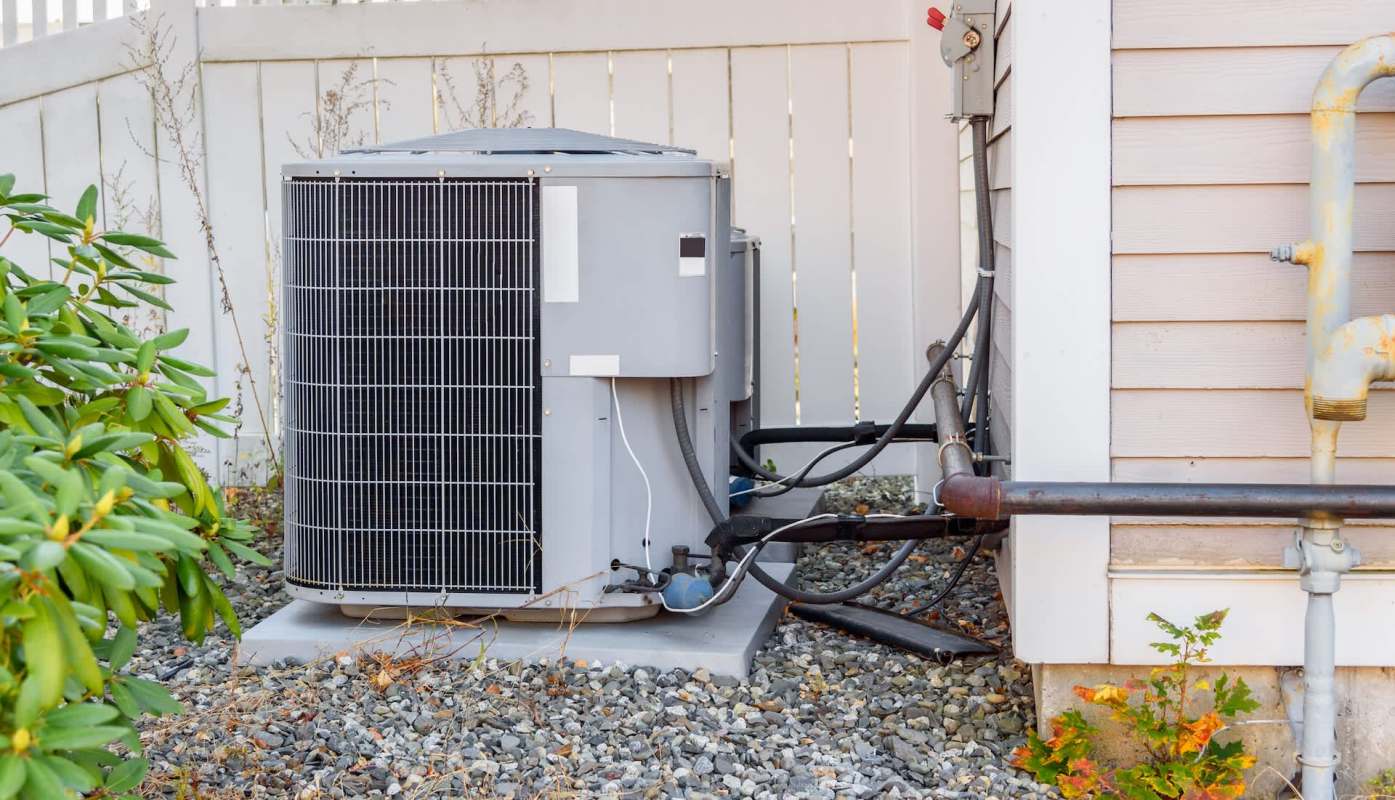
Technicians are using a lull in 100-degree weather to work through backlogged HVAC repair requests in Southern Arizona. KVOA reported that they expect demand to rise again once the heat returns.
What's happening?
As the region heads back toward hotter weather, Tucson technicians are reportedly telling homeowners to give their cooling systems a once-over now.
In Southern Arizona's summer heat, they say air conditioning is a necessity, and skipped maintenance is a common reason units stop working.
A hidden trouble spot is the air filter. Because it is easy to forget, it can collect enough dust to restrict airflow, force the system to work harder, and increase the chances of a breakdown during the hottest part of the year.
Crews also recommended occasionally opening the unit and wetting the condenser. A crew member told KVOA, "There are filters that say you can go three months without changing them, but at least check them once in a while."
Why is this concerning?
A neglected A/C system can pose a health risk.
TCD Picks » Quince Spotlight
💡These best-sellers from Quince deliver affordable, sustainable luxury for all




When extreme heat settles in, even a brief loss of indoor cooling can quickly become dangerous, especially for older adults, children, and people with underlying health conditions.
KVOA reported that Arizona has already recorded more than 20 heat-related deaths this year, including two indoor cases where the air conditioning was either broken or turned off.
When systems struggle, they can draw more electricity, and that can cost a lot of money.
As one crew member put it, "Summer is typically when we see that higher energy usage," per KVOA.
What can I do?
Start by checking the filter regularly, even if the packaging says it can last for months. Dust buildup can be easy to overlook, but it can make an A/C unit less efficient and leave it more vulnerable when temperatures spike.
If you are leaving home, technicians told KVOA that it is better to adjust the thermostat instead of shutting the system down entirely. Setting it to around 83 degrees can cut cooling use while still keeping indoor temperatures from rising too high.
The exact savings will vary depending on the home and utility rates, but this approach can prevent the system from having to recover from an overheated house later. That may mean less strain on the unit and a lower chance of a costly breakdown.
Residents may also want to handle small maintenance problems right away. As mentioned above, repair crews say demand climbs quickly during hotter stretches, resulting in long service lines.

Get TCD's free newsletters for easy tips, smart advice, and a chance to earn $5,000 toward home upgrades. To see more stories like this one, change your Google preferences here.






