


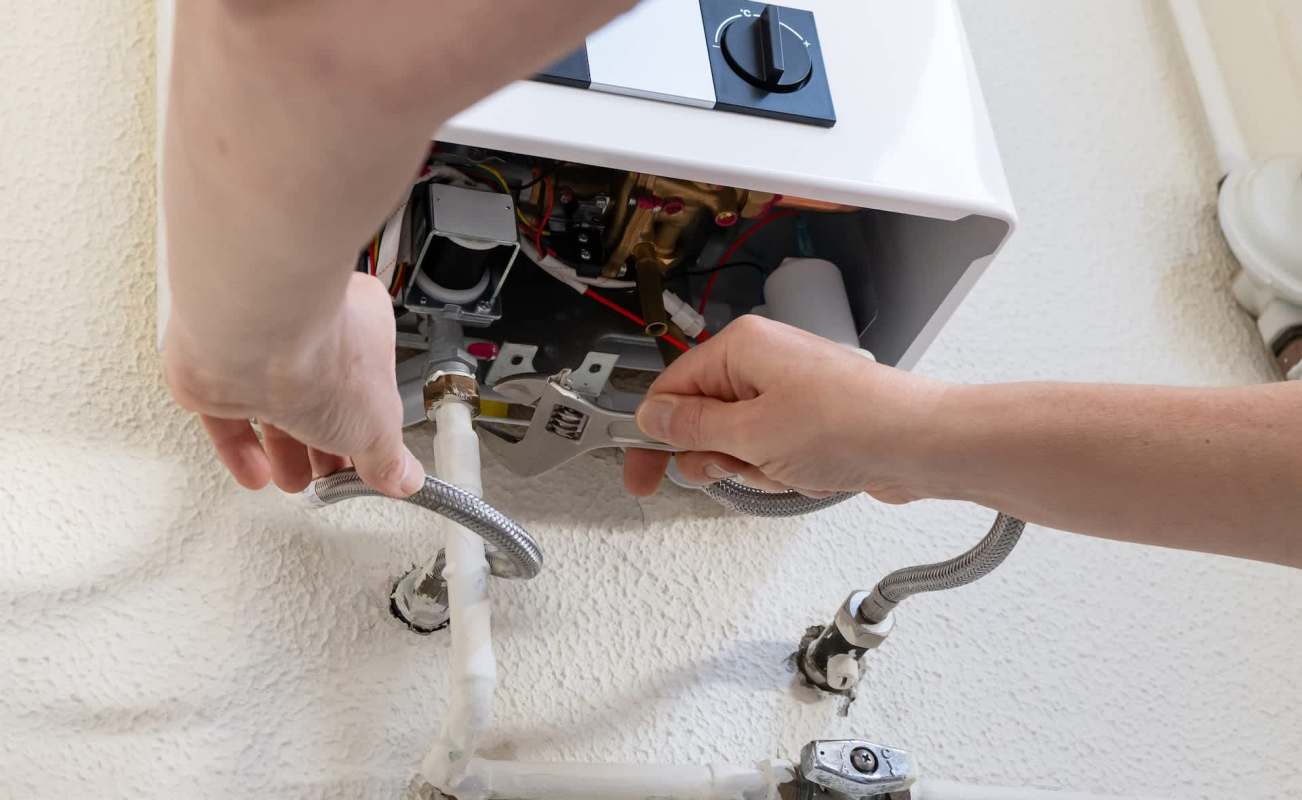
One apartment maintenance worker, who had already swapped out 89 water heaters in a single building, posted on Reddit's r/PlumbingRepair forum to ask whether other plumbing professionals "think tankless water heaters [are] the way to go?"
Here's what to know
In the Reddit thread, the worker said a failed water heater in an upstairs unit caused a major mess, and the crew replaced it with a tankless model.
Because the complex has 380 apartments, was built in the 1950s, and still has around 300 units left to replace, the original poster wanted the community's input.
(Click here if the embedded video does not appear.)
According to the OP, the changeover has been going on for about two years. During that stretch, the complex converted 89 units to tankless and had "gone through 4 different brands during the process." They also said just four workers handle maintenance for the whole property.
One of the biggest snags involved power. As the OP explained, "We have had to run new lines for outlets to use. But now they are asking us to just run an extension cord to make them reach the closest outlet."
Other users said this kind of trouble is common when tankless units are installed as replacements rather than in new builds. One commenter put it this way, "Great for new construction. Not great for a replacement. Requires too many mods to exhaust, gas intake, etc."
But not every reply was negative. One commenter said, "Instant water heater. Looks not that nice but is very useful. Been using it for years. No complaints. Less stuff to fix."
Crushed by your bills? See instant solar savings from vetted installers in just a few clicks With energy prices through the roof, there's never been a better time to go solar — and EasyHome can help you find the best prices from the best installers in your area. EasyHome takes the guesswork and headaches out of energy upgrades by showing you estimated savings from a network of vetted local partners. To get started, just enter your ZIP and share a few details about your home — seeing your estimate is really that easy. |

Even so, much of the thread focused on cost and installation demands rather than day-to-day hot water use. One commenter described switching from a tank heater to tankless as "extremely expensive," while another said gas-to-tankless conversions can require adding electrical access where there was none before and may depend heavily on how cold the incoming water is.
In an older rental building, those changes can add up across many apartments. The OP said management kept choosing lower-cost equipment, so outlet additions, vent adjustments, and gas-line modifications may have to be repeated unit after unit. Still, the worker noted that the new units were "still gas and electric" even as the team was "trying to convince management to go electric."
What can be done?
A recurring point in the discussion was that replacing a water heater isn't always a simple swap. Commenters kept returning to the same practical issues, like electrical access, venting, gas intake, incoming water temperature, and whether a building is better matched to new-construction equipment or to a more straightforward replacement.
For homeowners planning a replacement, Cala offers smart heat pump water heaters as an upgrade beyond a bargain tankless retrofit. Cala's customizable smart heat pump water heaters can help homeowners lower energy bills by heating water only when needed.
In older homes or multifamily buildings where outlet placement, wiring work, and long-term service matter, comparing a standard tank, a tankless unit, and a Cala system may help avoid the kinds of frustrations described in the Reddit thread.
Where can I learn more?
These articles take a closer look at the same water-heater tradeoffs, from tankless retrofits to heat pump alternatives.
• Homeowners considering a switch often find tankless systems can cut energy use and monthly bills.
• Many replacements turn costly when venting, gas lines, and wiring all need upgrades.
• In Buffalo, homeowners questioned whether a heat pump upgrade made sense for their home.

Get TCD's free newsletters for easy tips, smart advice, and a chance to earn $5,000 toward home upgrades. To see more stories like this one, change your Google preferences here.






