


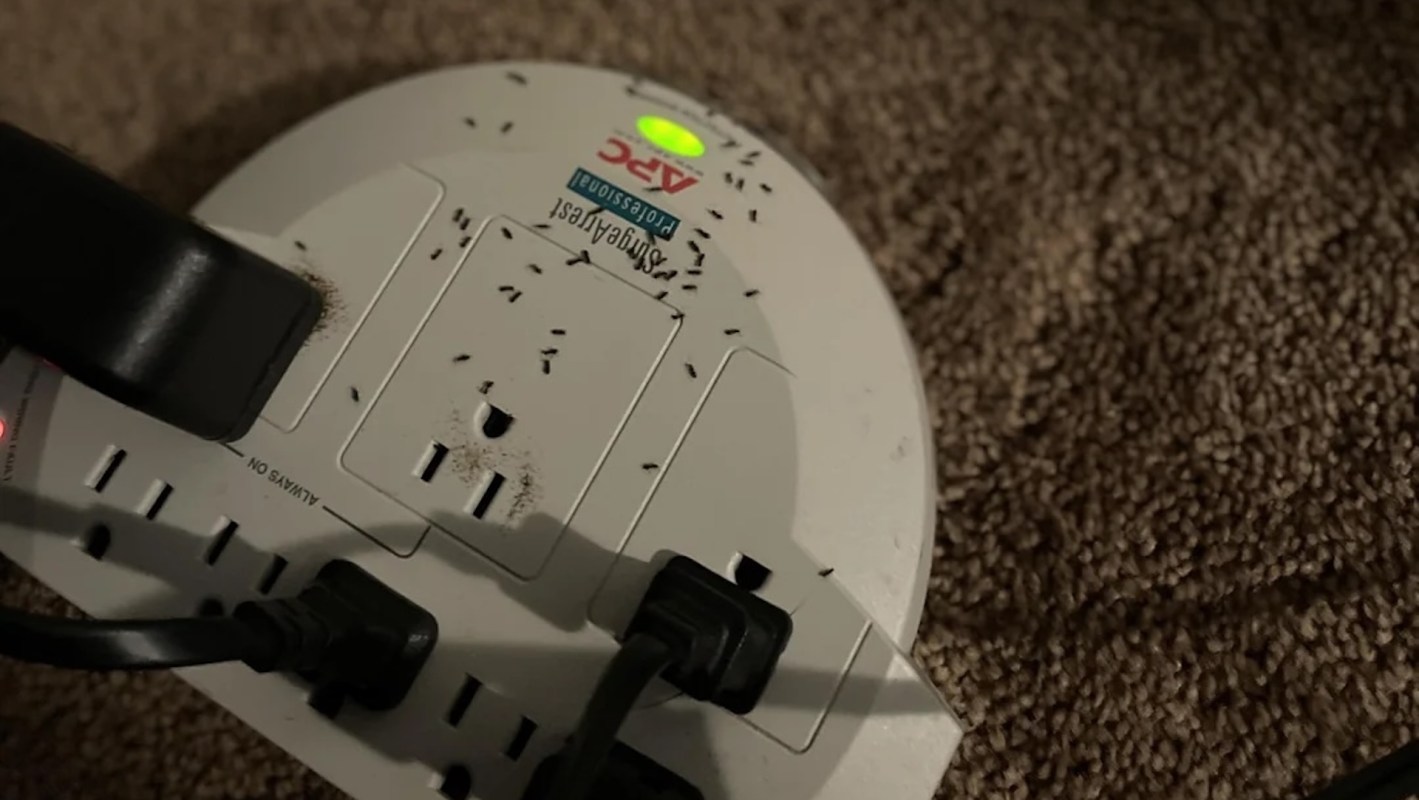
A homeowner investigating a suddenly dead TV found ants swarming a surge protector, raising concern that the visible mass might be only a small sign of a larger problem elsewhere in the house.
After a photo of the ant colony was posted online, commenters reacted with alarm and suggested that the insects on the power strip could point to a broader infestation.
What happened?
The homeowner shared an image on Reddit showing ants covering a surge protector and said the discovery came after the television stopped working.
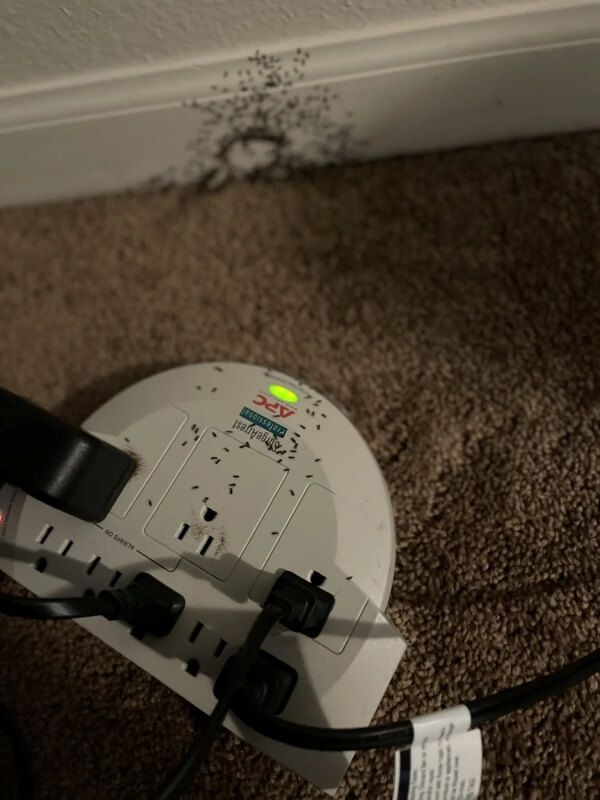
The original poster added, "It just started raining... it's right in the middle of my house. I'm sure there's a lot more underneath!" In the Reddit thread, commenters speculated that the insects may have been attracted to the electrical setup.
Ants can invade wall voids, outlets, and electronics, especially when rain drives them indoors, and human-made heat sources give them a place to gather.
After the initial post, comments flooded in, with responses ranging from jokes to possible explanations.
TCD Picks » Quince Spotlight
💡These best-sellers from Quince deliver affordable, sustainable luxury for all




One said, "Crazy ants are attracted to electricity and once one gets zapped it releases a pheromone to attract more."
Another commenter offered a likely identification, saying the ants were "Tapinoma sessile most likely," and added: "The species is notorious for seeking the heat generation of electric connections... They can have so many queen ants that the colony size is technically unlimited."
A third added, "they like the electrolyte that's used in capacitors. They can smell it and will damage electronic components to harvest it. Ant body probably shorted something."
One commenter wrote, "Not to cause alarm, BUT I think you might have a very minor, insignificant infestation."
Why does it matter?
This kind of infestation can damage electronic devices and signal a pest issue inside the home. If ants are gathering around a surge protector in the middle of a house, the visible cluster may be only a small part of a much larger colony.
Modern homes are full of warm electronics, hidden wiring, and sheltered indoor spaces that can unintentionally attract pests, especially during weather shifts such as heavy rain.
Repair bills can follow, along with the stress of finding pests in spaces that are supposed to be free of insects. Small warning signs, a flickering appliance, a dead outlet, a few ants near a baseboard, can point to something much bigger.
What can I do?
If you find ants inside electronics or around outlets, the safest first step is to unplug affected devices, if it can be done safely, and avoid using damaged equipment. From there, it may be worth checking nearby baseboards, windows, wall gaps, and other warm spots for trails or additional activity.
Because a visible cluster can signal a larger nest, homeowners may need professional pest control rather than a quick DIY cleanup. Identifying the species can matter, especially if the colony has multiple queens or is spreading through walls and electrical areas.
It also helps to reduce what attracts pests in the first place: seal entry points, fix moisture problems, keep food sealed, and monitor warm appliances and power strips after storms.
If rain appears to trigger indoor activity, extra vigilance during wet weather can help catch a problem before it causes further damage to equipment.

Get TCD's free newsletters for easy tips, smart advice, and a chance to earn $5,000 toward home upgrades. To see more stories like this one, change your Google preferences here.






