


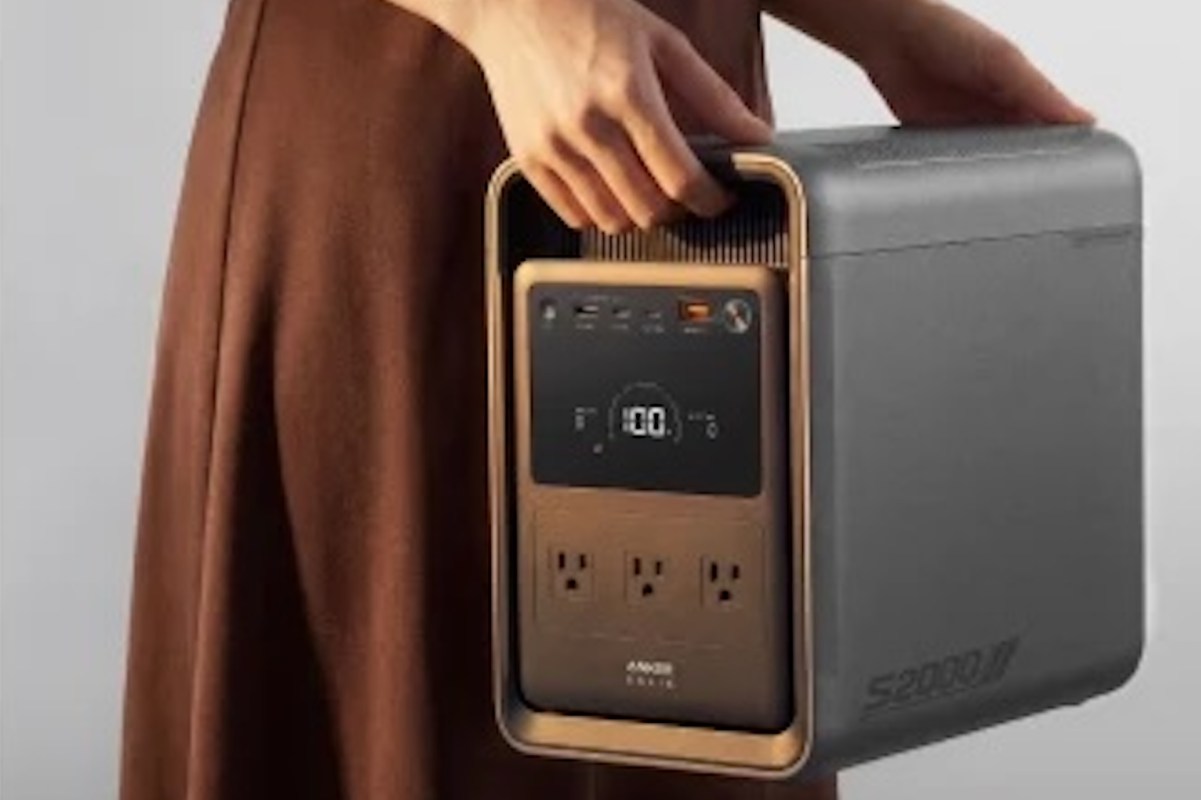
For one U.K. remote worker, the appeal of the Anker SOLIX S2000 had less to do with squeezing savings from electricity rates and more to do with staying powered during blackouts.
Responses in the discussion suggested the bill-cutting upside could be limited, but the backup function might still make the purchase worthwhile.
Here's what to know
The question came from a user on the Agile Octopus tariff who said their home office equipment draws about 120 watts. In a Reddit thread, they asked whether the portable power station could charge during cheaper periods and discharge later, though their estimate put the annual savings at only about £30 to £50 (~$39 to $66 USD).
That relatively small return was not the main attraction. The poster said the £649 (~$861 USD) unit would work out to around £430 (~$570 USD) after VAT and tax considerations, and wrote, "I'm in a rural area so I get one or two every year," referring to outages.
Replies mostly pointed to emergency use as the stronger reason to buy it.
One commenter said, "Using it as a UPS backup and as a Time of Use energy saver could be very realistic," while also indicating that electricity savings alone might not be enough to offset the purchase price.
For readers thinking beyond a single portable unit, exploring EnergySage can help you compare home battery storage options and get competitive installation estimates. EnergySage has teamed up with the electrification brand Qmerit to guarantee you get the best price on home battery storage solutions.
More background
The financial case can shift based on a household's electricity use, the difference between cheaper and pricier rate periods, and how often outages disrupt daily life.
Save $10,000 on solar panels without even sharing your phone number Want to go solar but not sure who to trust? EnergySage has your back with free and transparent quotes from fully vetted providers in your area. To get started, just answer a few questions about your home — no phone number required. Within a day or two, EnergySage will email you the best options for your needs, and their expert advisers can help you compare quotes and pick a winner. Solar panels can save you more than $50k over their 25-year lifespan, and EnergySage can help you save as much as $10k on installation. Which begs the question — isn't that worth an email or two? |

Some commenters said they already rely on similar setups for this exact combination of backup power and load shifting.
"This is exactly how I am using mine," one wrote. "I've had a couple of short outages and I was able to keep working without even knowing the power was out until I got up and went downstairs."
The tradeoff, however, is capacity. A smaller power station can keep essential devices running, but it is not a substitute for a whole-home battery. It can help prevent lost work time and allow households to shift some energy use away from the most expensive hours of the day.
What can be done?
The decision depends on what problem they are trying to solve. If the main priority is keeping a home office powered during blackouts, a portable battery may be enough. If the goal is to run larger appliances for extended periods, a larger installed system may be the better choice.
Adding battery storage can build resilience without relying entirely on fuel-powered generators. In areas with time-of-use pricing, it can also let people store lower-cost electricity and use it when rates rise.
Shoppers looking for a more affordable starting point can also consider Pila, which offers plug-and-play batteries priced at a fraction of what a whole-home backup system would cost. That type of option may appeal to renters, apartment dwellers, or homeowners seeking backup power without a major installation.
Where can I learn more?
These related reads offer extra context on Anker systems, whole-home units, and additional backup solutions that cut energy costs if blackout protection is your top priority.
• Anker says its backup tech could rival Tesla's Powerwall when outages hit.
• Anker has unveiled a modular whole-home battery aimed at boosting home electrification.
• Homeowners are turning to battery storage for outages to keep essentials running.
• BioLite offers a sleek battery backup that can qualify for government incentives.
• Palmetto customers can install home backup batteries without paying upfront costs.

Get TCD's free newsletters for easy tips, smart advice, and a chance to earn $5,000 toward home upgrades. To see more stories like this one, change your Google preferences here.






