


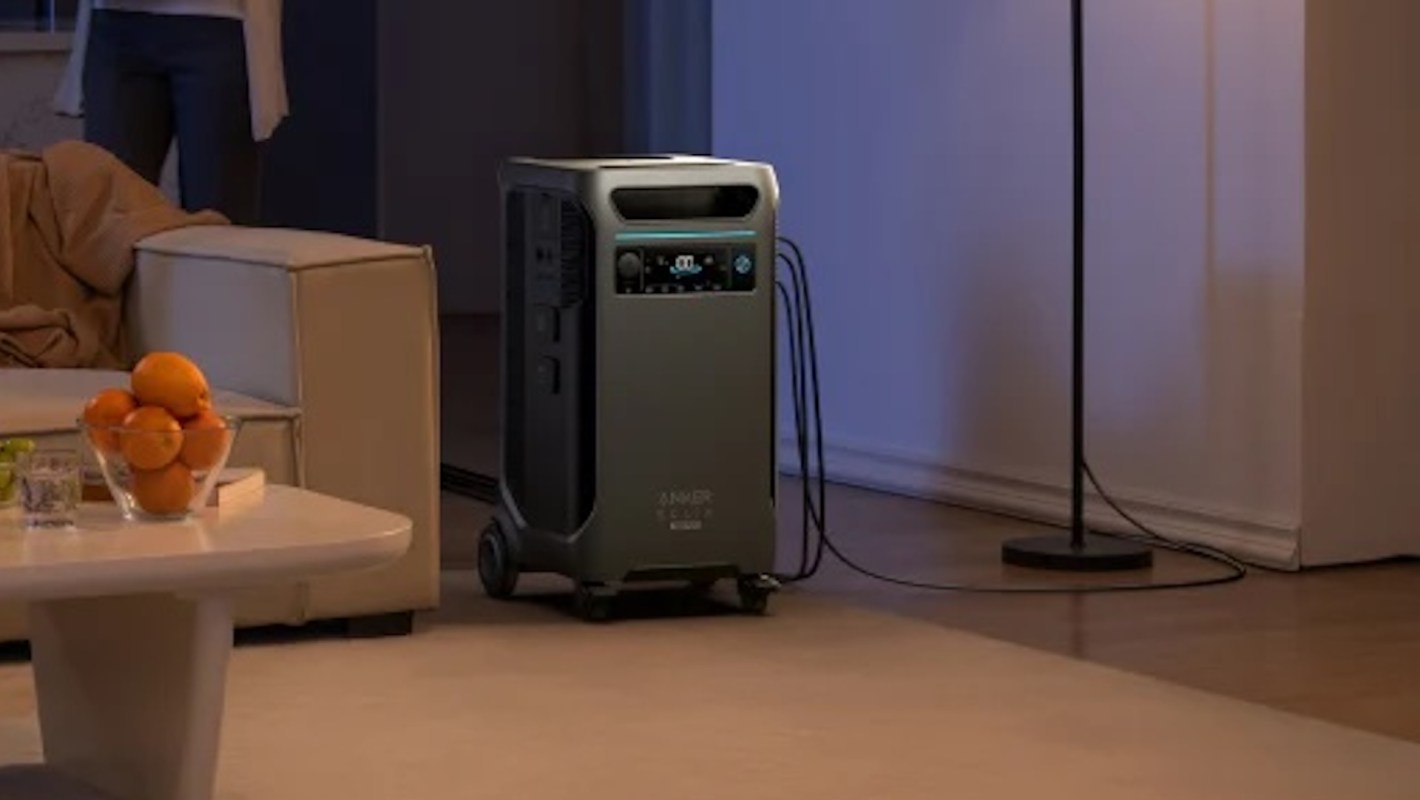
When severe weather or grid glitches knock out the power, portable battery systems can provide a cleaner alternative to gas generators. However, one homeowner's experience suggests they can also demand much more hands-on effort than some buyers may expect.
Three outages in just two weeks gave the homeowner a real-world test of the Anker SOLIX batteries.
The results were largely positive, though the system depended heavily on a single family member's understanding of the operating steps.
Here's what to know
Instead of installing a permanently mounted home battery or relying on an automatic gas generator, the homeowner told How-To Geek that Anker SOLIX F3800 batteries are covering the essential parts of the house.
In the shorter outages the family typically faces, that setup kept the refrigerator, internet, well pump, septic equipment, some lights, and a ceiling fan running.
Ease of use was the biggest downside. Rather than taking over automatically, the system requires someone to manually reconfigure the home's power setup, including connecting the batteries to the generator inlets, isolating the house from the grid, and restoring only the circuits needed. That makes it harder for everyone in the household to use confidently.
Adding battery storage is one of the best ways to protect your home during outages, save money on energy, and make off-grid living more realistic. If you're exploring permanent backup options, EnergySage can help you compare home battery storage choices and competitive installation estimates. The company has teamed up with Qmerit to guarantee you get the best price on home battery storage solutions.
For shoppers who want something smaller and more affordable, Pila is another option worth a look. Its plug-and-play batteries are priced at a fraction of the cost of a whole-home backup system.
Crushed by your bills? See instant solar savings from vetted installers in just a few clicks With energy prices through the roof, there's never been a better time to go solar — and EasyHome can help you find the best prices from the best installers in your area. EasyHome takes the guesswork and headaches out of energy upgrades by showing you estimated savings from a network of vetted local partners. To get started, just enter your ZIP and share a few details about your home — seeing your estimate is really that easy. |

More background
Unlike gas generators, the batteries do not require fuel to be stored on-site, operate without tailpipe pollution, and, as the writer noted, require "zero maintenance."
During daylight hours, solar helped flatten out the battery draw. With two 400-watt panels attached, the homeowner said the F3800 "pretty much broke even," with solar production roughly matching the home's usage. After adding a third panel, the battery began to recharge slowly rather than merely hold steady.
Cost was part of the equation, too. Adding an automatic transfer switch would have meant spending "a few thousand more," and installation would have cost more as well because the home has two main breaker boxes. A modular battery setup can also help households avoid the ongoing fuel costs associated with generators.
Physical limitations also played a role. The F3800 weighs more than 130 pounds, and the homeowner said the thick connection cables, combined with a stubborn 200-amp breaker, effectively made the system a one-person job.
What can be done?
The writer found that one F3800 could cover the most important loads during many typical outages, while smaller batteries handled tasks such as cooking, heating water for bathing, and entertainment.
That approach can extend backup power and lower costs. Rather than paying for one large installed battery system, some households may prefer a modular mix of portable batteries that can be expanded over time without additional contractor visits.
"This is a fundamentally different way to navigate power outages than the options I grew up with," the homeowner wrote. "Now we know we can weather outages indefinitely, and the outage won't cost us any extra money no matter how long it lasts."

Get TCD's free newsletters for easy tips, smart advice, and a chance to earn $5,000 toward home upgrades. To see more stories like this one, change your Google preferences here.






