


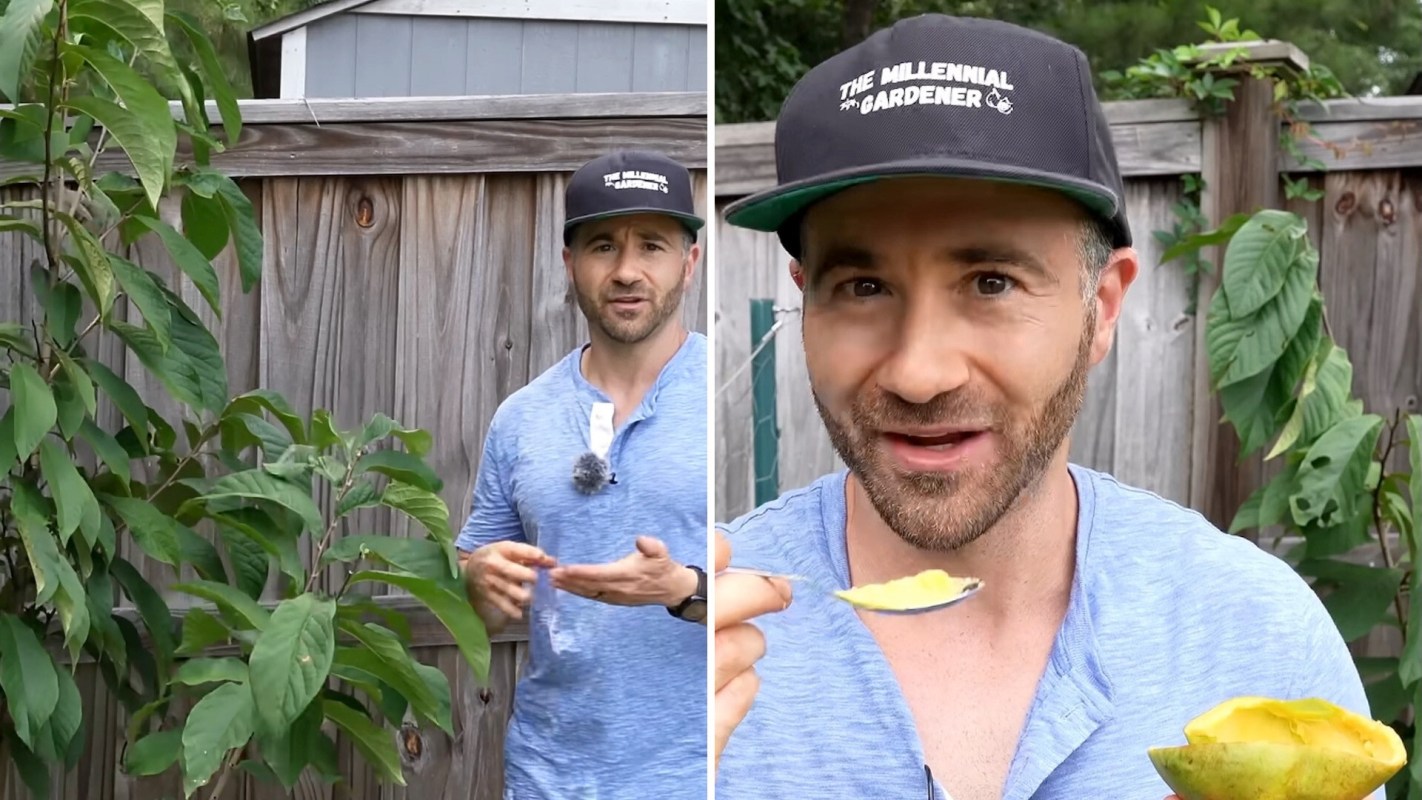
The American pawpaw, a little-known fruit tree native to North America, is getting fresh attention for offering tropical-style flavor in places with cold winters and as a practical backyard option for people looking to grow more of their own food.
What's happening?
In a recent video, the creator behind The Millennial Gardener spotlighted pawpaw as an underused tree for home landscapes.
As the creator said, "The American pawpaw is the largest edible fruit native to North America, yet almost nobody grows it or has even tasted one."
In the post, the creator explained the pawpaw is part of the custard apple family, can survive in USDA Plant Hardiness Zone 4, and bears fruit said to taste like "a mix of banana, mango and marshmallow."
The creator added, "This is a tragedy, because growing pawpaws is a way to grow tropical fruit in cold climates!"
Why does it matter?
Growing fruit at home can help reduce grocery costs over time, especially as fresh produce prices continue to fluctuate. Homegrown food also tends to taste better because it can be harvested at peak ripeness rather than picked early for shipping.
TCD Picks » Quince Spotlight
💡These best-sellers from Quince deliver affordable, sustainable luxury for all




Time spent in the garden can support physical activity and reduce stress, while growing unusual edible plants can make it easier — and more enjoyable — to eat more fruit.
Because the tree is native to North America, it can be a useful choice for gardeners seeking to add plants better adapted to local conditions than many imported fruit species.
A cold-hardy fruit with tropical flavor could also make home orchards more diverse.
What can I do?
If the idea of growing pawpaw sounds appealing, the first step is finding out whether your climate and space are a good fit.
Since the tree is described as hardy to Zone 4, it may be an option for a broader range of U.S. gardeners than many people realize.
It can also help to start with the basics of growing your own food, including choosing productive plants, understanding soil and sunlight needs, and planning for long-term care.
Fruit trees require patience, but they can pay off with years of harvests.
Overlooked native crops, such as pawpaw, can expand what grows in home gardens and create more affordable food options close to home.

Get TCD's free newsletters for easy tips, smart advice, and a chance to earn $5,000 toward home upgrades. To see more stories like this one, change your Google preferences here.







