


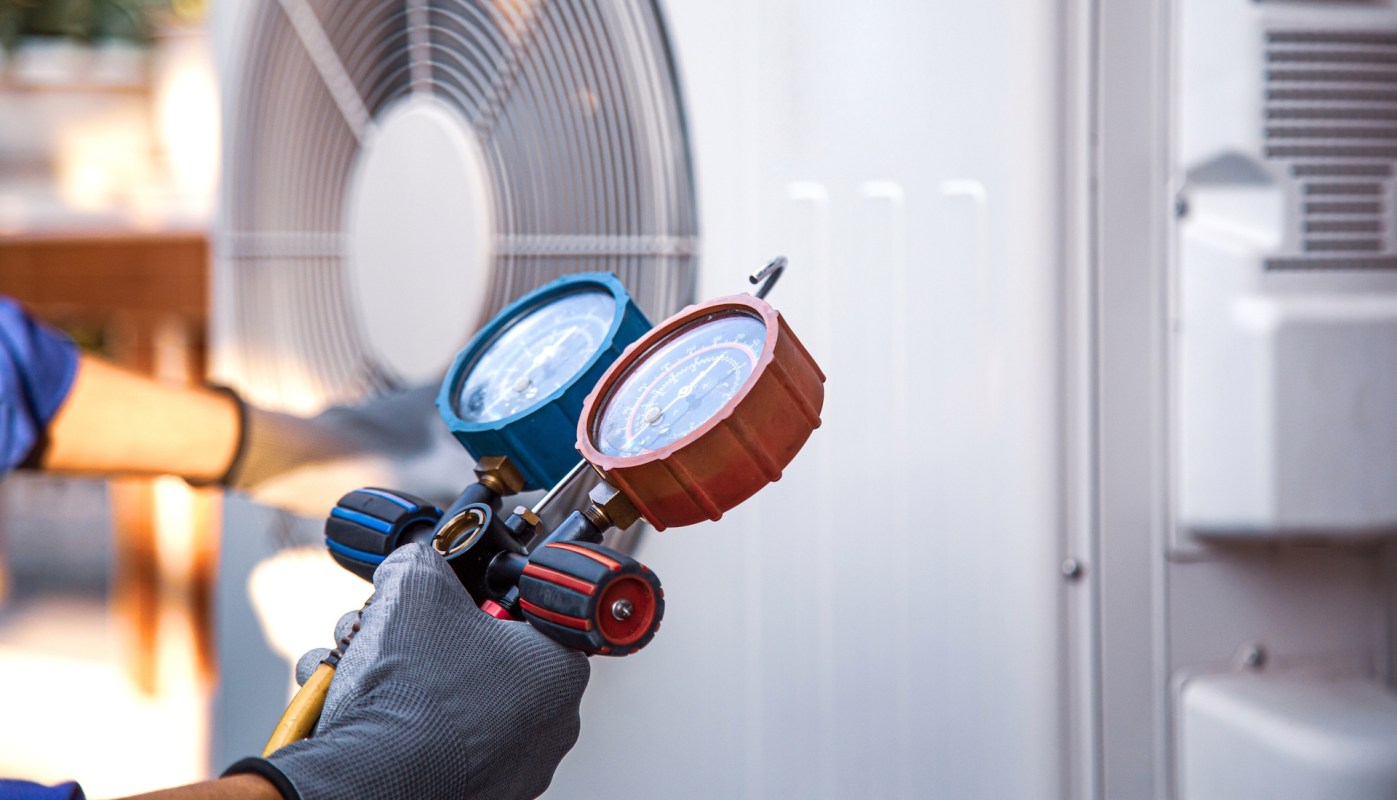
A disagreement between Alabama renters and their landlord over AC settings encapsulated a common summer issue: Does a low thermostat setting actually put equipment at risk?
That question can have real consequences for people who are paying their own power bill but have no say over repairs or upkeep.
What's happening?
Alabama tenants described the situation in a post on Reddit's r/hvacadvice. Their landlord claimed that setting two air-conditioning units in the low 70s could cause them to freeze over.
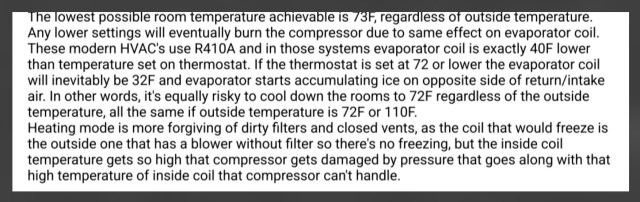
They questioned that explanation because, according to the post, the units were turning off after they hit the requested temperature — which is generally how an AC system is supposed to operate when it can keep up.
Situations like this can extend beyond a simple back-and-forth between a renter and a landlord. In rental housing, equipment issues often become difficult to gauge when tenants are asked to trust a technical explanation they are not in a strong position to evaluate.
Why does it matter?
During prolonged extreme heat, air conditioning can affect everything from sleep and health to how much a monthly electric bill costs occupants.
TCD Picks » Quince Spotlight
💡These best-sellers from Quince deliver affordable, sustainable luxury for all




Believing an explanation that is not sound could lead a tenant to use less cooling than they need in dangerous heat, or to keep living with a system that is not working properly.
A struggling AC unit can use more electricity, cool inconsistently, and raise utility costs while the underlying problem goes unresolved.
Saving money and avoiding waste can also be more difficult when renters do not control the home systems they rely on or the rules around how they are used.
That often leaves people coping with the effects of inefficient, necessary equipment, even when they cannot make basic corrections on their own.
What can I do?
If you receive a similar response from a landlord, begin with a few simple checks. If your lease makes filter replacement your responsibility, see whether it needs to be changed, and confirm that vents are fully open and not covered by rugs or blocked by furniture.
It is also useful to keep a record of the system's behavior. Write down the thermostat setting, whether the unit actually gets to that temperature, whether it cycles off as expected, and whether you see any ice buildup or water near the equipment.
When you contact a landlord, request in writing an explanation of what specific condition is supposedly causing the freeze risk and ask whether a licensed HVAC professional has inspected the system. A written record can matter if the problem does not get resolved.
As for the original poster's dilemma, Reddit users scoffed at the landlord's claim.
"Lol what in God's name," a user replied. "No. None of this is true. The temperature set on the thermostat has no bearing on the temperature of the evaporator coil."
"Yeah that's not how AC's work," another wrote. "Besides if you are renting, it's your house so do you. If you want to hang meat in the living room at 32° and dance naked to the Roadhouse soundtrack its none of the landlords business."
"Your landlord is spewing a bunch of laughable nonsense," a third agreed. "The evaporator does not know what the thermostat is set to. It doesn't work like that."

Get TCD's free newsletters for easy tips, smart advice, and a chance to earn $5,000 toward home upgrades. To see more stories like this one, change your Google preferences here.






