


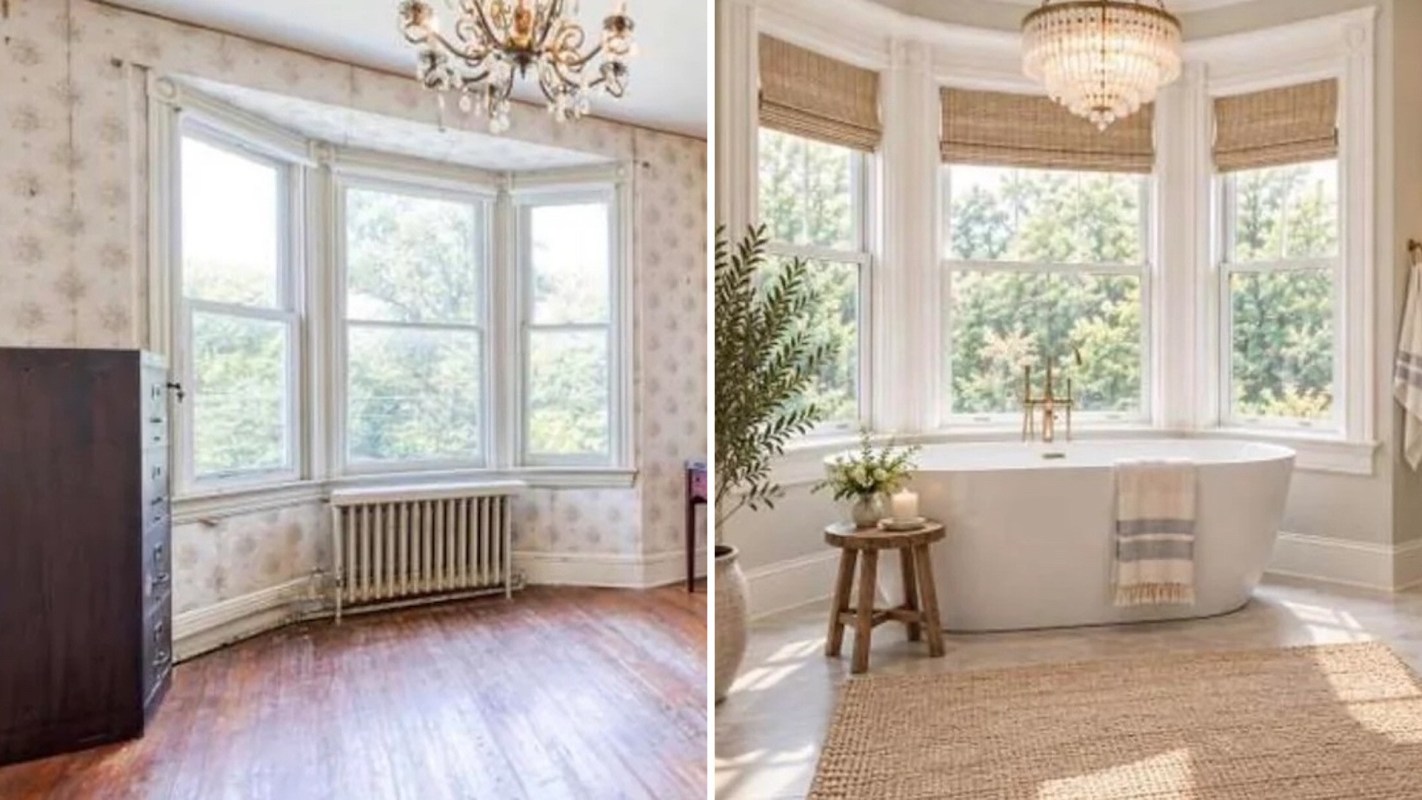
House hunters expect polished photos, but what they do not expect is having to play detective while scrolling through listing images that may show features the property never had in the first place.
Here's what to know
On Reddit, the original poster shared examples of AI-generated real estate photos included in listings.
"It should be illegal to post AI-generated 'inspirational' images in house listing photos," they said.
In the attached images, the AI creations appeared to erase radiators and depict room setups that would be costly, and impossible, to recreate.
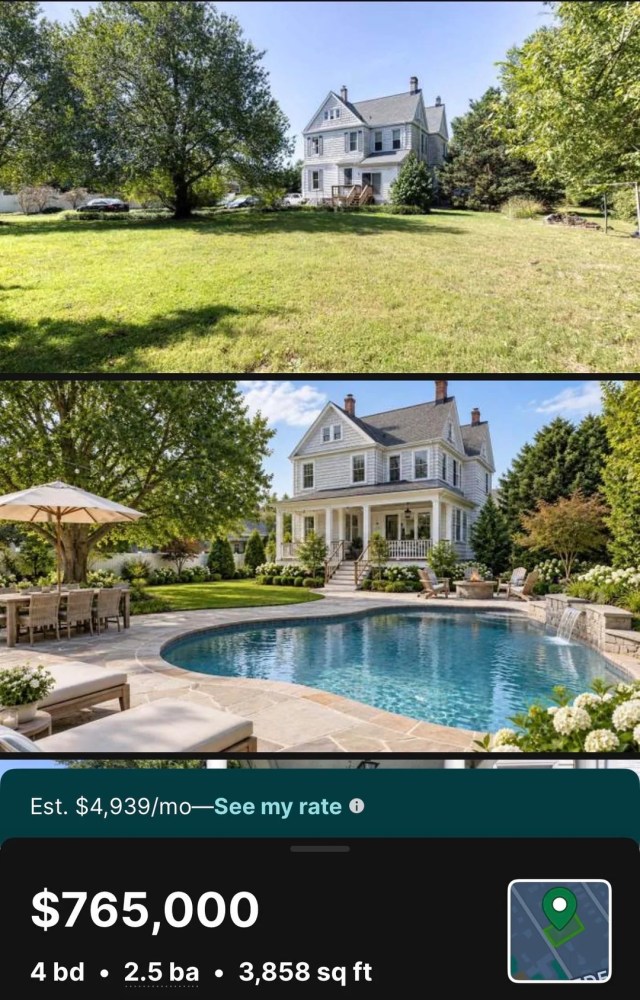
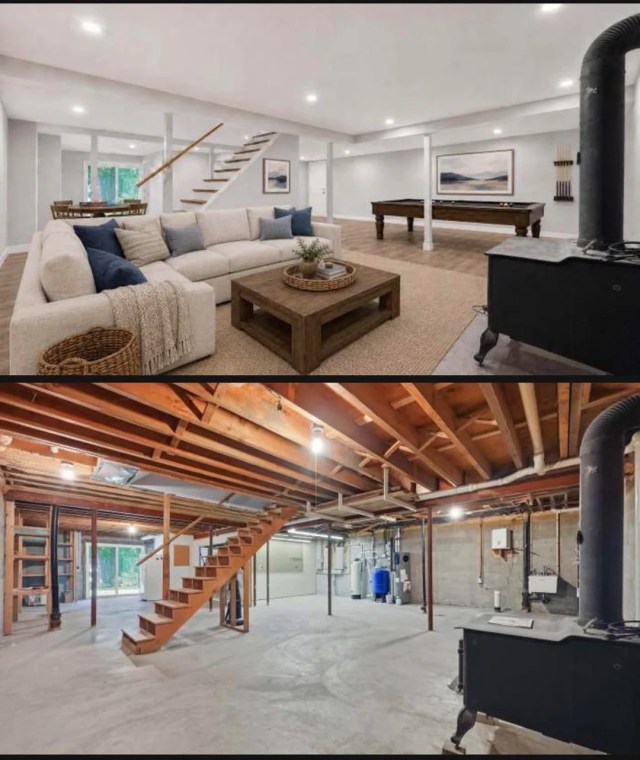
According to the post, a separate listing "didn't mention using AI images at all."
The concern was that buyers should not have to sort through machine-altered photos to understand what a home actually looks like.
TCD Picks » Quince Spotlight
💡These best-sellers from Quince deliver affordable, sustainable luxury for all




"I just want to see the house as it is now without having to analyze what's real and what's not," the OP wrote. "Even with the AI-staging photos, it'll do things like remove radiators so you wouldn't be able to actually ever stage it as shown."
Much of the reaction focused on how unrealistic the edits looked.
One wrote that the practice was shameful, "Especially when it's completely unreasonable. Turning that dinette into a bathroom would be a five figure proposition."
Another added, "They even removed the radiator to put in a bathtub. Moving heating and adding plumbing lines where they don't exist is not cheap!"
More background
When visual edits go beyond decluttering or virtual furniture placement and start changing the bones of a home, shoppers may waste time, money, and travel on properties that were never presented honestly.
Virtual staging itself is not new, and many sellers use it to help buyers imagine how an empty space might look when furnished. However, AI tools can go much further, generating rooms that suggest expensive renovations, hidden square footage, or layouts that simply do not exist.
But in a housing market where many people are already stretched thin, touring homes, taking time off work, driving to properties, and hiring inspectors all come with real costs. When listings rely on unrealistic images, that burden only grows, as does distrust in a process (and technology) that is already stressful for many families.
Misleading listings can also distort expectations about what homes should look like and what it takes to "fix" them, encouraging cosmetic fantasy over practical upgrades that actually improve comfort and efficiency.
Some Reddit users said suspicious listings like this should be reported.
"I report them," one said, while another added, "Immediate report button!"
Where can I learn more?
Unfortunately, AI is making more people skeptical about what they see online.
• Another listing drew backlash when side-by-side photos surfaced, making buyers question what was real.
• In Germany, viewers asked if a bizarre mansion listing designed by AI.
• In Texas, home browsers recoiled when photos of a kitchen highlighted baffling design choices.

Get TCD's free newsletters for easy tips, smart advice, and a chance to earn $5,000 toward home upgrades. To see more stories like this one, change your Google preferences here.






