


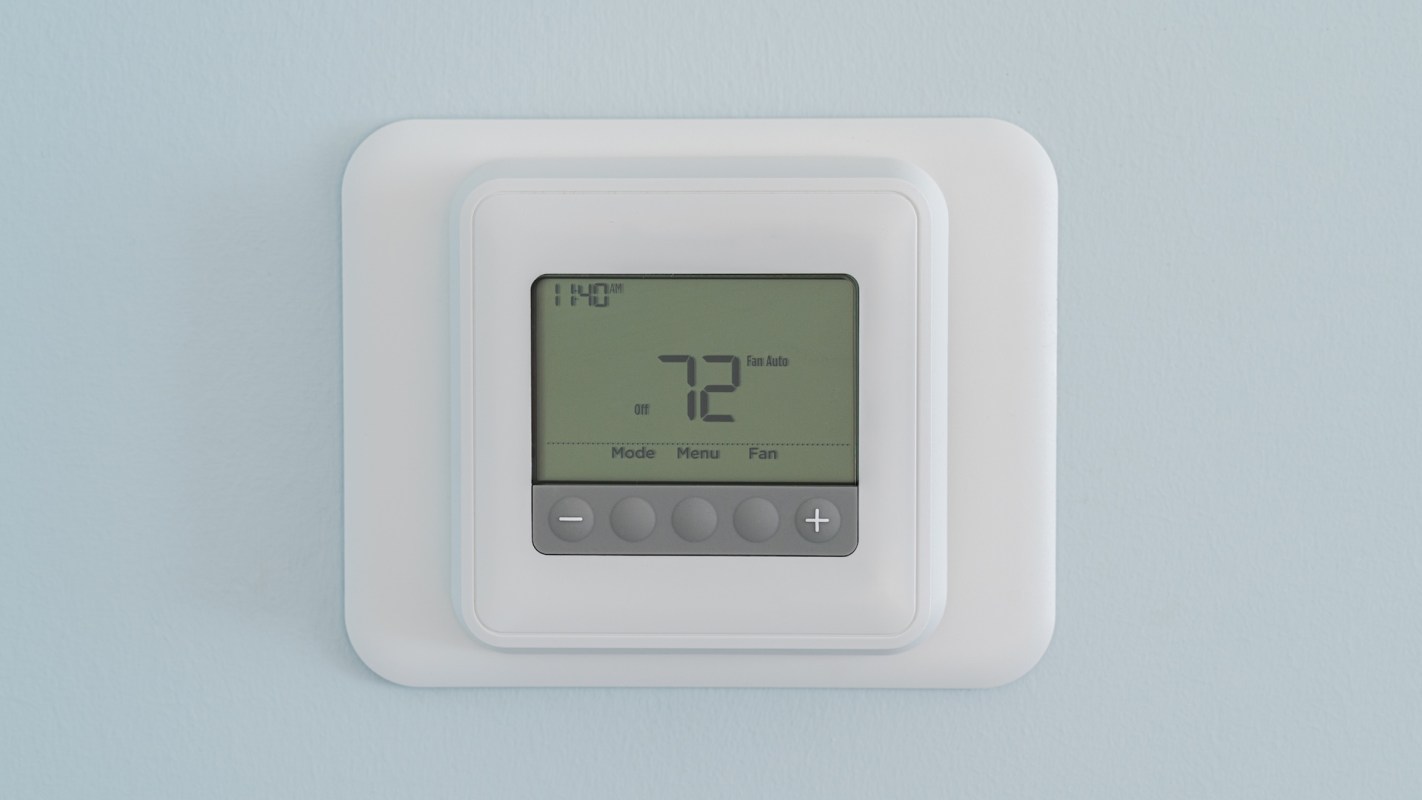
A condominium manager sparked debate after an air conditioner technician warned that the thermostat shouldn't be set below 72 degrees, even though one bedroom in the unit still wasn't getting cool enough.
The situation highlights the common and costly mistake of turning the thermostat way down to fix one stubbornly warm room when the real issue may be airflow.
Here's what to know
The manager wrote in a post on Reddit's r/HVACadvice that the condo's cooling trouble appeared to involve more than one issue. The AC had been repaired after a blockage and a failed part on the outdoor unit. The tenants had been setting the thermostat in the 60s because that bedroom stayed warmer than the rest of the home.
They also said a dirty filter may have been a factor. In the post, the manager described the renters as "great tenants" and said they wanted "to do everything I can to make their life more pleasant and not be an issue."
Most replies suggested the thermostat setting was not the real cause. As one commenter explained, "You don't cool the air to make it colder. You remove heat." That means lowering the thermostat to 60 is unlikely to solve a room that is not getting enough cool air.
Upgrading your heating and cooling system is one of the best ways to save money on utility bills and protect yourself against rising energy prices. For homeowners exploring that route, Palmetto's Comfort Plan network can help you find efficient heating and cooling solutions for your home and connect you with vetted installers.
More background
The conversation focused more on how air was moving through the condo than on refrigerant levels. Commenters said that when the rest of a home cools normally but one room stays hot, the problem can stem from duct balancing or sizing issues, weak airflow, closed doors, closed registers, sun exposure, or a return that is too small.
That kind of uneven cooling often pushes people to run their systems harder than necessary. Turning the thermostat down to make up for a hot bedroom can stress the unit and raise utility bills without doing much to improve comfort in the room that needs it.
Save $10,000 on solar panels without even sharing your phone number Want to go solar but not sure who to trust? EnergySage has your back with free and transparent quotes from fully vetted providers in your area. To get started, just answer a few questions about your home — no phone number required. Within a day or two, EnergySage will email you the best options for your needs, and their expert advisers can help you compare quotes and pick a winner. Solar panels can save you more than $50k over their 25-year lifespan, and EnergySage can help you save as much as $10k on installation. Which begs the question — isn't that worth an email or two? |

A home that cools evenly often feels comfortable at a higher temperature setting, which can reduce costs over a season. If an older or mismatched system is contributing to the problem, an efficient replacement or heat pump can improve comfort while also lowering monthly bills.
What can be done?
Rather than focusing only on refrigerant or the thermostat, commenters said a qualified HVAC professional should inspect the system's airflow. They suggested looking for kinked ducts, balancing the system with dampers, confirming blower speed, and making sure returns and filters are adequate.
They also warned against closing too many registers in other rooms to force more air into one bedroom, since that can raise system pressure and hurt performance. Other ideas mentioned included keeping interior doors open, adding a register booster fan, or using a seasonal portable unit in the warmest room.
For homeowners ready for a bigger fix, Palmetto says its Comfort Plan includes $0-down options that can lower heating and cooling costs by up to 50% and includes 12 years of free maintenance.
Homeowners can also pair solar panels with electric appliances, like efficient HVACs, to drive their utility costs even lower. EnergySage makes it easy to find the best solar system and installer for your home and budget, saving you up to $10,000 on installations.
As the original poster acknowledged, "it likely is an airflow issue at this point but I'm not sure."
Where can I learn more?
These articles cover hot rooms, dangerous indoor heat, and practical AC-setting advice.
• On Long Island, a teen bedroom runs 5 degrees hotter after an AC upgrade.
• In the Southeast, a sick toddler's home still climbed to 94 after repairs.
• Across the U.S., experts say a 78-degree AC setting balances comfort and efficiency.
• A sustainability expert said dry mode cut summer costs while keeping rooms comfortable.

Get TCD's free newsletters for easy tips, smart advice, and a chance to earn $5,000 toward home upgrades. To see more stories like this one, change your Google preferences here.






