


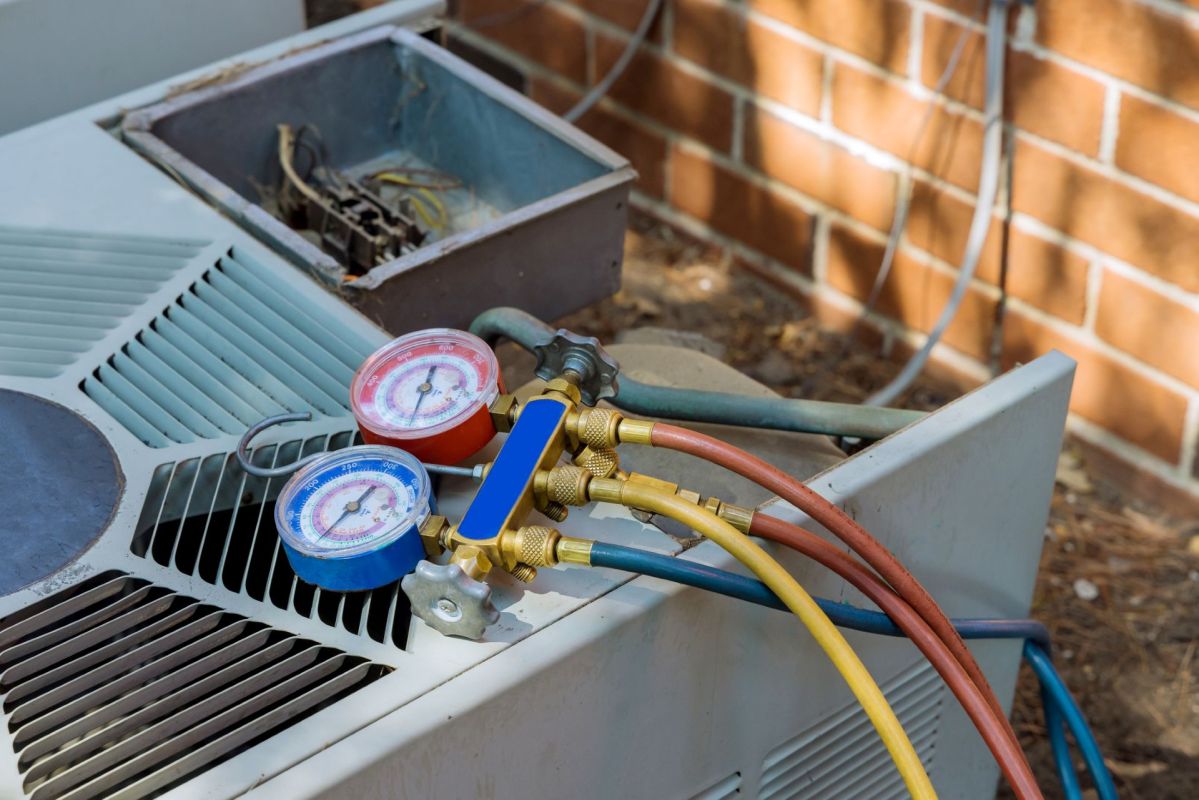
A homeowner facing a possible $7,000 condenser replacement ended up with a far cheaper fix: a $75 capacitor.
The story, shared on Reddit, reminds homeowners to slow down before agreeing to a major HVAC repair bill, especially when an older system, a suspected refrigerant leak, and conflicting contractor opinions are involved.
Here's what to know
The homeowner described getting conflicting advice for an upstairs 2003 Trane X1000. A $300 repair from one contractor seemed to work for about a week before the cooling problem returned, while two other companies presented much bigger bills.
One suggested either a full replacement or a $3,000 R-22 refill, and another said a larger leak could mean roughly $7,000 for a condenser-only replacement.
The original poster later updated the thread to say, "It was a failed capacitor! so guys, first thing is check on that little thing, now it's back working again."
If you're dealing with a similar situation, it can also help to compare efficient replacement options before a breakdown forces your hand. Palmetto's Comfort Plan network can help you find efficient heating and cooling solutions for your home and connect you with vetted installers, including heat pumps and newer HVAC systems that can slash your energy bills.
One user wrote, "If you need the 'freon' refilled, it's because it leaked out. It is not consumed during normal operation."
More background
Older AC systems can turn a small diagnostic miss into a major financial decision. The homeowner's unit uses R-22, an older refrigerant that has become more expensive and harder to service as it has been phased out. That leaves many homeowners vulnerable to sticker shock when something goes wrong.
Save $10,000 on solar panels without even sharing your phone number Want to go solar but not sure who to trust? EnergySage has your back with free and transparent quotes from fully vetted providers in your area. To get started, just answer a few questions about your home — no phone number required. Within a day or two, EnergySage will email you the best options for your needs, and their expert advisers can help you compare quotes and pick a winner. Solar panels can save you more than $50k over their 25-year lifespan, and EnergySage can help you save as much as $10k on installation. Which begs the question — isn't that worth an email or two? |

Before the fix was confirmed, one user raised another possibility, writing, "Capacitor could have failed! Get the 3rd guy back to check it out." That came after the original poster said the dye solution "wasn't working."
Get multiple opinions, ask what has actually been tested, and request a clear explanation of whether the issue is electrical, mechanical, or tied to a refrigerant leak. If your system is more than two decades old, upgrading your heating and cooling system can be one of the best ways to lower utility bills and protect yourself from rising energy prices.
What can be done?
If your technician is recommending repeated refrigerant refills without confirming the source of a leak, it may be worth pausing and getting a second opinion.
One user wrote, "Leak seal is a Hail Mary. Especially when the leak is large enough that within a week your already low again."
If you do need a replacement, newer high-efficiency HVAC systems and heat pumps can reduce ongoing energy costs while making your home more comfortable. If you're not ready to spend up front, Palmetto's Comfort Plan includes $0-down options that can lower your heating and cooling costs by up to 50%. It includes 12 years of free maintenance.
You can also push your costs down further by pairing solar panels with electric appliances such as efficient HVACs. EnergySage makes it easy to find the best solar system and installer for your home and budget, and shoppers can save up to $10,000 on installations.
As the original poster put it after the follow-up visit: "YOU ARE 100% RIGHT!! third guy came by tonight replaced a failed capacitor at $75!!!!! now works!!"
Where can I learn more?
Plenty of homeowners dealing with scary HVAC bills end up at the same crossroads: approve a major replacement or keep digging for a smaller fix. These articles cover sky-high quotes and hard calls about aging systems that feel a lot like the capacitor-versus-condenser swing in this case.
• One homeowner was shocked by a $25,000 quote for a basic AC replacement.
• Another homeowner is still debating whether to replace a decades-old AC unit cheaply.
They're a solid reminder to ask a few more questions before agreeing to the biggest number on the estimate. Sometimes a little extra troubleshooting is enough; other times, planning an upgrade before you're forced into it can make a huge difference.

Get TCD's free newsletters for easy tips, smart advice, and a chance to earn $5,000 toward home upgrades. To see more stories like this one, change your Google preferences here.






